What This Sign Means in BSL
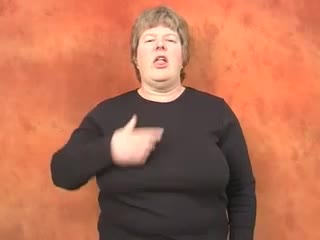
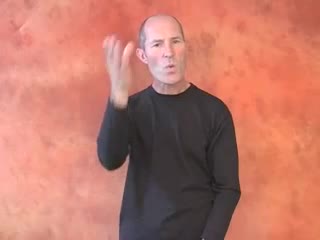
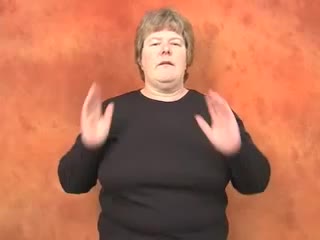
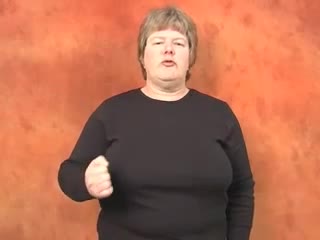
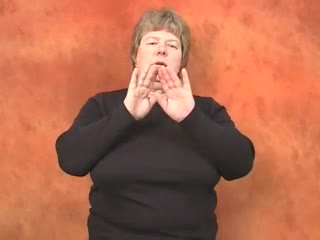
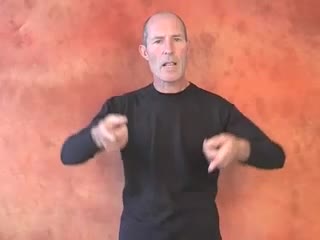
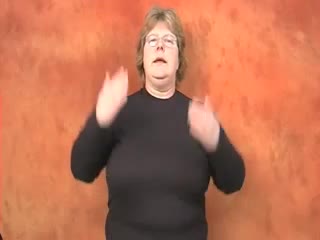
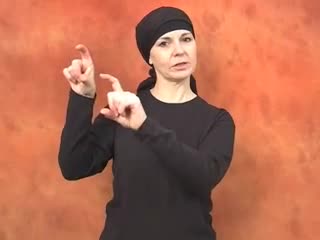
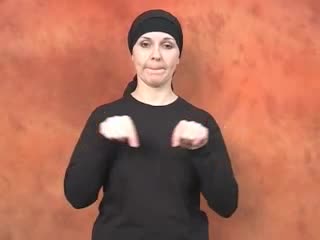
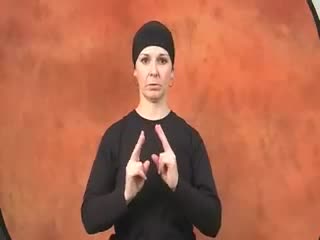
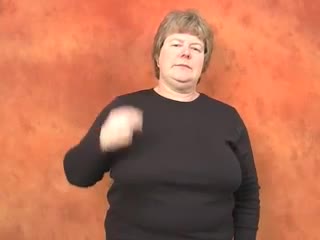
The BSL sign for car is wonderfully intuitive, a real gift for new learners because its meaning is so transparent. You're effectively miming the action of steering a car, bringing the experience of driving directly into your hands. This sign doesn't just represent the object; it captures the essence of how we interact with it.
It's a foundational noun in BSL, used frequently in everyday conversation. Its clarity and directness mean it’s understood across the UK Deaf community without ambiguity. When you sign "car," you're not just conveying a word; you're evoking the very act of being behind the wheel, making it a highly visual and engaging sign to use and to watch.
The sign's simplicity, derived from a common human experience, makes it instantly recognisable. It stands out as a clear example of BSL's visual-gestural nature, where signs often derive from the physical characteristics or functions of what they represent. Mastering this sign early on gives you a strong sense of how many BSL signs are constructed and how to approach learning others.
When This Sign Feels Natural
You'll find the BSL sign for car fits comfortably into almost any conversation where vehicles are discussed. Whether you're making plans to meet up, recounting a journey, or simply pointing out a particular vehicle, this sign is your reliable go-to. It's suitable for all registers, from a casual chat with friends about weekend plans to a more formal discussion about transport options.
This sign feels most natural when referring to a typical passenger car, the kind you drive daily. It's the standard term and doesn't carry any specific emotional tone on its own, meaning its expressiveness will come from your facial expression and the surrounding context. For instance, if you're excited about a new car, your face should reflect that excitement as you sign "car."
While BSL has signs for specific types of vehicles like 'lorry' or 'motorbike', when you just need to refer to a general passenger vehicle, "car" is always the correct and most natural choice. There's rarely a situation where you'd need to substitute it for a different sign when specifically talking about a car. It's universally understood and expected in its context.
What Learners Usually Miss
Learners often get the basic idea of the sign for "car" quickly, but the subtle precision in handshape and movement can sometimes be overlooked. The handshape isn't just "hands holding something"; it’s specifically two flat B-hands, meaning your fingers are held together and your thumbs are neatly tucked alongside. This creates a smooth, flat plane, which is crucial. Splayed fingers or loose thumbs change the sign's clarity and can make it look less like steering and more like, say, turning a large valve.
Another common point of subtle confusion lies in the movement. While it's a "continuous circular motion," it's not a vigorous, dramatic spin. Think of it more as a smooth, relaxed turning of a steering wheel, perhaps a quarter turn each way, flowing into each other. Beginners might make the circles too small, too large, or too jerky, making it appear as if they're wrestling with the wheel rather than effortlessly driving. Aim for a fluid, natural motion that suggests control and ease, consistent with driving a car at normal speeds.
Finally, remember the location: "in front of the chest/torso, at arm's length." We sometimes see learners signing too close to their body, or with their elbows tucked in. This restricts the movement and makes the sign appear cramped. Extending your arms naturally creates the space needed for the circular motion to be clear and comfortable, mimicking the actual distance you'd maintain from a steering wheel. It's this combination of precise handshape, smooth movement, and appropriate placement that truly perfects the sign.
A Simple Way to Remember It
Remembering the sign for "car" is quite straightforward because it directly acts out the function of driving. Imagine yourself behind the wheel, steering the vehicle. The visual connection is strong and immediate, making it one of the easier signs to commit to memory. Focus on the feeling of control and motion as you perform the sign.
- Steering Wheel Simulation: Your hands literally become the steering wheel. The continuous circular motion directly mimics turning the wheel as you drive.
- Flat Hands for Smoothness: The flat B-hands represent the smooth, round surface of a steering wheel, or perhaps the smooth, controlled grip you have on it. Keeping fingers together adds to this sense of a solid, unified object.
- Two Hands for Control: Using both hands reinforces the idea of actively controlling a vehicle. It's not a single-handed gesture but a two-handed operation, just like driving.
Short Practice Situations
- "My car broke down on the way to work this morning, so I had to get the bus instead."
- "Do you want to go to the park? We can take my car if you like."
- "That new electric car over there looks really sleek and modern."
- "Be careful crossing the road; always look out for oncoming cars."
- "I need to wash my car this weekend; it's absolutely filthy after all that rain."
Signs to Learn Next
- Drive: This is a natural progression, as "drive" often uses a similar handshape and movement to "car," but typically with a forward motion to indicate the action of driving. They're intrinsically linked.
- Bus: Another common mode of transport, learning "bus" will expand your vocabulary for discussing travel and commuting alongside "car."
- Motorbike: While also a vehicle, "motorbike" has a distinct sign reflecting its different form of steering and handling, offering a nice contrast to "car."
- Journey / Travel: These broader conceptual signs frequently involve cars. Understanding "journey" or "travel" allows you to talk about the purpose or outcome of using a car.
- Road: Cars operate on roads, so learning the sign for "road" provides essential context and allows you to build more complex sentences about driving or locations.