What This Sign Means in BSL
The BSL sign for Sunday is one of the foundational calendar signs you'll encounter, representing a key anchor in the weekly rhythm. It's a sign that carries a sense of consistency and often, for many, a feeling of rest or a shift in pace from the busy working week. When you see this sign, you immediately understand that the conversation is grounding itself around that specific, familiar day.
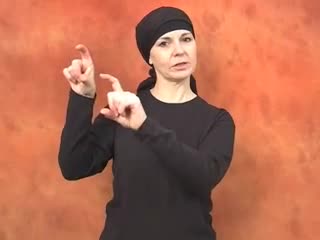
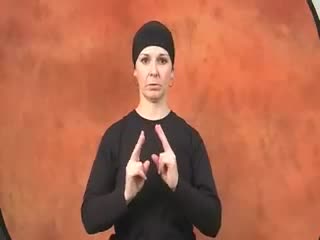
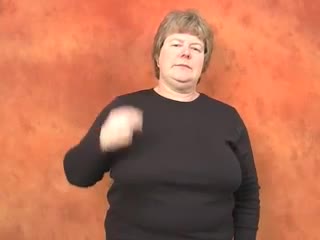
Visually, the sign is quite distinctive. It combines a precise handshape – your dominant hand forming a 'C' with your index finger and thumb touching, while your other fingers are extended – with a small, repeated circular movement. This visual elegance makes it relatively easy to recognise and produce once you've internalised its components. It’s a clear, unambiguous sign that sets the temporal stage for any communication about the day.
Learning this sign isn't just about adding a word to your BSL vocabulary; it's about gaining a building block for countless conversations. Whether you're planning family gatherings, discussing weekend activities, or simply recounting events from the past week, "Sunday" serves as a crucial reference point. Its straightforward nature means it integrates smoothly into both casual chats and more structured discussions about schedules and time.
When This Sign Feels Natural
The BSL sign for Sunday feels incredibly natural in everyday conversations about planning and recounting. If you're arranging to meet friends for coffee, you might sign, "Are you free next Sunday?" or when reflecting on the previous week, "Last Sunday, I went for a lovely walk." It slots perfectly into sentences where you'd verbally state the day, providing that direct temporal marker.
You'll also find yourself using "Sunday" frequently when discussing regular routines or recurring events. For instance, if you usually visit family or attend a specific activity each week, incorporating the sign for Sunday becomes an intuitive way to communicate that pattern. It's universally understood when referring to the day itself, making it a reliable choice across various social contexts.
Crucially, for the specific meaning of the day "Sunday," this is the primary and universally accepted sign in BSL. There isn't really an alternative BSL sign you'd choose for the day itself. Therefore, whenever you need to mention this particular day of the week, this sign is your go-to. Its clarity and common usage mean it’s appropriate for any audience, from close friends to more formal settings.
What Learners Usually Miss
One common subtlety learners sometimes miss with the BSL sign for Sunday is the precision of the handshape. It’s not just any 'C' shape. The key detail is that your index finger and thumb touch, creating a distinct, closed 'C', while your other fingers remain extended. Beginners often make a looser 'C' or a more general 'O' shape, which can obscure the clarity of the sign or even be confused with other signs that use similar but distinct handshapes.
Another frequently overlooked aspect is the movement: it should be a small, repeated circular movement. The emphasis here is on 'small' and 'repeated'. Learners sometimes make the circle too large, too sweeping, or only do a single rotation. An overly large movement can make the sign less efficient and visually less precise. The controlled, repetitive nature is part of what defines this sign and helps it register clearly.
Finally, paying attention to the location and overall fluidity is important. The sign is performed near the dominant shoulder or upper chest area. Ensure it's not too high up by your ear, nor too low by your waist. While facial expressions for days of the week are typically neutral, the overall rhythm should feel natural and integrated with your other signs, not stiff or isolated. The sign should flow as part of your conversation, not stand out awkwardly.
A Simple Way to Remember It
The BSL sign for Sunday often becomes quite memorable due to its distinct handshape and movement. To help it stick in your mind, try associating its visual and kinetic elements with familiar concepts related to the day.
- "C" for Calendar Mark: Think of the precise 'C' handshape as if you're circling a specific day on a mental calendar. The index and thumb touching create a neat, contained mark for "Sunday."
- The Weekly Rotation: The small, repeated circular movement can represent the consistent cycle of the week, with Sunday being a regular, recurring point within that rotation. It’s a gentle reminder that the week comes full circle.
- A Quiet Pause: The sign's location near your shoulder or upper chest, coupled with its contained movement, can evoke the feeling of Sunday being a more personal, perhaps quieter day – a moment to pause and reflect, held close to you.
Short Practice Situations
- "Are you free next Sunday evening? We could catch up for a chat and a cup of tea."
- "Every Sunday, I usually enjoy a lazy morning with a good book and a long breakfast."
- "Remember that community clean-up we planned? It’s scheduled for Sunday, the 22nd, starting at ten."
- "Last Sunday was a beautiful day; we went for a long, refreshing walk along the canal path."
- "I’m really looking forward to Sunday; I have absolutely no plans and can just relax and recharge."
Signs to Learn Next
- Monday: Once you've mastered Sunday, learning the BSL sign for Monday is a natural progression. It helps you sequence the days of the week and build a solid foundation for discussing schedules.
- Weekend: With Sunday being a key part of the weekend, learning the sign for "weekend" allows you to talk about leisure time, breaks, and plans that span more than just one day.
- Week: Understanding the general sign for "week" is crucial for broader time references, enabling you to discuss periods of time and not just individual days, enhancing your overall scheduling vocabulary.
- Next / Last (time indicator): These directional signs are vital for giving context to "Sunday," allowing you to specify "next Sunday" or "last Sunday" and avoid ambiguity in your conversations.
- Calendar: Knowing the sign for "calendar" allows you to talk more generally about schedules, appointments, and future planning, placing individual days like Sunday within a larger organisational framework.