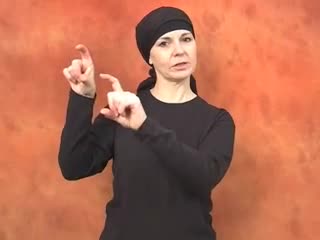
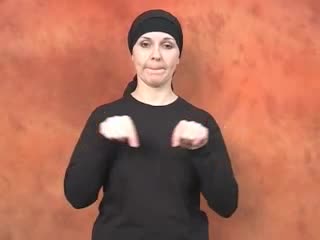
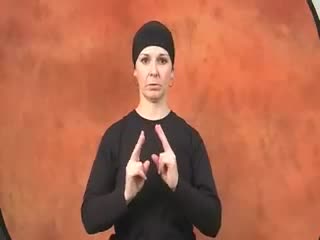
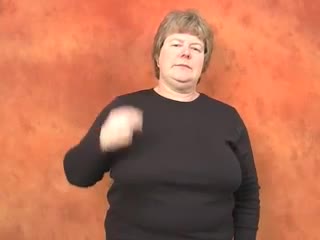
What This Sign Means in BSL
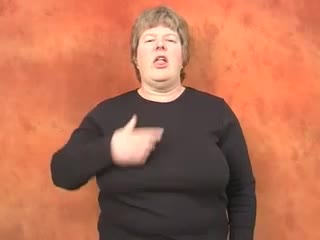
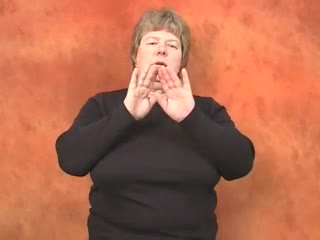
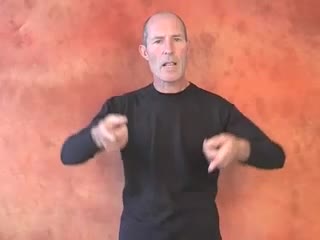
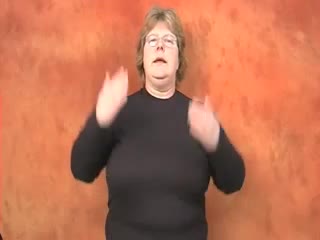
The BSL sign for bar primarily represents a place where drinks are served, a social hub often found in pubs, hotels, or dedicated establishments. It captures the essence of the physical counter as well as the social context of the location. When you use this sign, you’re not just indicating a piece of furniture, but rather the entire concept of going to or being at a drinking establishment.
This sign is a fundamental part of social communication in BSL. It's concise and visually descriptive, allowing signers to quickly convey plans for leisure, recounting past events, or simply referring to the common gathering spot. Its straightforward movement and handshape make it accessible, yet there are nuances that distinguish it from similar concepts, which we'll explore.
Essentially, it’s a sign that speaks to the shared cultural experience of socialising over drinks. It holds a specific meaning tied to leisure and interaction, making it a crucial sign for anyone discussing social plans or environments within the Deaf community in the UK.
When This Sign Feels Natural
This sign feels most natural in casual, everyday conversations. Imagine you're chatting with a friend about evening plans, or recounting a story from the previous night. "Shall we go to the bar later?" or "The bar was really busy" are perfect contexts. It fits seamlessly into discussions about social outings, meeting friends, or describing a particular venue.
It's a highly versatile sign when talking about social settings, used comfortably among friends, family, and colleagues in informal registers. You’d use it when planning to unwind after work, discussing a concert venue's facilities, or describing the atmosphere of a place. The sign carries an inherent social connotation, making it ideal for situations where a relaxed, social gathering place is the topic.
However, it's important to remember its specific scope. While it refers to the counter *within* a drinking establishment, it generally wouldn't be used to describe a "bar of chocolate" or a "metal bar" used in construction – these would have entirely different BSL signs. So, when your primary meaning is the social drinking spot, this is your sign.
What Learners Usually Miss
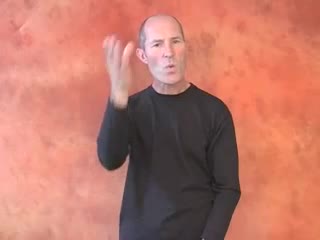
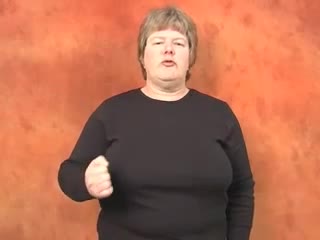
Many learners initially focus solely on getting the handshape and movement right, which is a great start, but often miss the subtle details that convey clarity and naturalness. A common oversight is the precision of the 'C' handshape; it needs to be clearly formed with fingers curved and the thumb open, not a loose claw or a flat hand. The open thumb is particularly important as it helps to define the "edge" or "top" of the conceptual bar.
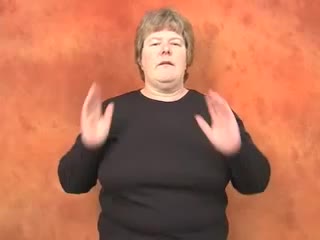
Another frequent challenge is the quality of the horizontal movement. It's not just a quick flick; it should be a smooth, deliberate sweep across the space. The movement shouldn't be too short, which might look abrupt, nor excessively long, which could imply something else entirely. It’s about conveying the visual of tracing the length of a typical bar counter, so aim for a controlled, even motion at the suggested height.
Finally, learners sometimes forget the context-specific nature of this sign. While the visual might evoke a simple counter, its primary BSL meaning is deeply rooted in the concept of a *drinking establishment*. Using it for other types of "bars" (like a snack bar or a gymnastic bar) will cause confusion. Always remember that this BSL sign strongly refers to the social venue, and ensure your facial expression, if any, aligns with this social, often relaxed, context.
A Simple Way to Remember It
To help this sign stick in your memory, think about the interaction you typically have at a bar. The handshape and movement can be easily connected to this experience.
- The 'C' Handshape: Imagine your hand is forming the shape of a glass you'd hold, or the curve of your hand as you might rest it on the edge of a bar counter.
- The Horizontal Movement: Picture your hand smoothly sweeping across the top surface of a long bar counter, perhaps indicating its extent or the movement of a bartender.
- Location on Body: The mid-chest to shoulder height aligns perfectly with where a typical bar counter would be if you were standing in front of it, making it easy to visualise leaning or ordering.
Short Practice Situations
- "Are you free to meet at the bar after work this evening?"
- "I loved the live music they had at the bar last Saturday night."
- "The new bar in town has a fantastic selection of non-alcoholic options."
- "We waited at the bar for a while before finding an empty table."
Signs to Learn Next
- DRINK: Naturally, if you’re at a bar, you’re likely to be having a drink. Learning the sign for "drink" will allow you to specify your actions within this social setting.
- PUB: While "bar" often implies a more modern or specific type of establishment, "pub" is a very common and culturally significant social venue in the UK. Understanding both will broaden your ability to discuss British social life.
- MEET: Socialising at a bar often involves meeting friends. Learning to sign "meet" will enable you to arrange plans and discuss gatherings more fully.
- FRIEND: Bars are places where friends gather. Combining "bar" with "friend" allows you to talk about who you are with or who you plan to see.
- WEEKEND: Many people visit bars during their leisure time, especially on the weekend. This connection helps to build sentences about social activities and free time.