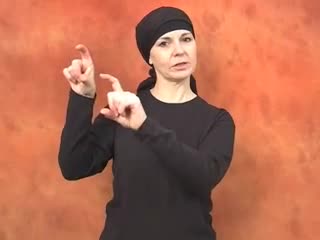
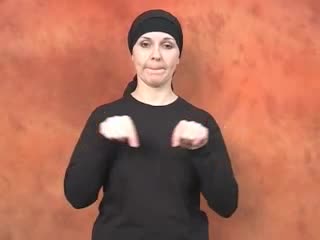
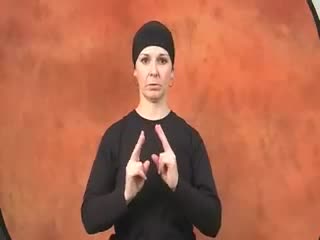
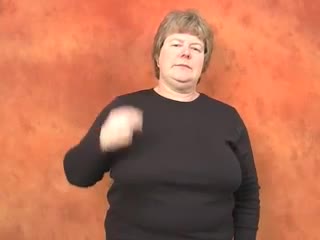
What This Sign Means in BSL
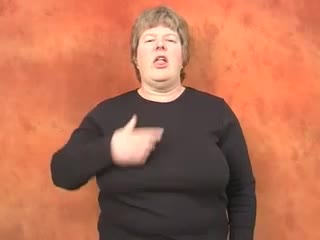
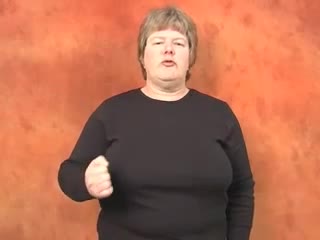
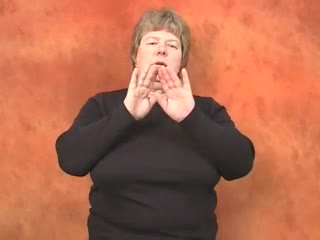
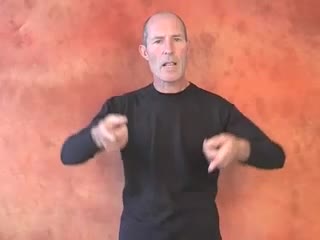
The BSL sign for breakfast is one of those wonderfully intuitive signs that visually makes perfect sense once you break it down. It’s a compound movement, essentially bringing together the idea of an "early start" or "beginning" with "eating." You’ll notice the dominant hand first taps the non-dominant palm, which often signifies a start, a point of engagement, or even the act of putting something down – like setting a plate for the first meal of the day. The subsequent movement of the dominant hand to the mouth then clearly indicates the act of eating or consuming food.
This sign isn't just about the food itself; it encapsulates the event of the meal that happens at the beginning of your day. It’s a core, everyday sign in BSL, universally understood and used by people of all ages. Its clarity makes it a great sign for new learners to grasp early on, as it demonstrates how BSL often builds meaning through logical, visual connections that mimic real-world actions or concepts.
The tone of this sign is generally neutral and functional, but like all signs, it gains emotional nuance from the context and the signer's facial expression. For instance, signing "breakfast" with a bright, eager face suggests excitement for the meal, while a tired expression might accompany a remark about an early breakfast. Pay attention to how the sign integrates into the broader conversation and the non-manual features accompanying it.
When This Sign Feels Natural
The BSL sign for breakfast is incredibly versatile and feels natural in almost any social or conversational setting where you'd discuss the morning meal. You'd use it with family when asking what everyone wants, with friends when making plans for a brunch, or in a professional setting when discussing meeting times or dietary needs. Its directness means it’s always appropriate and never feels overly formal or too casual.
You'll find yourself using this sign when asking questions like, "Have you had breakfast?" or making statements such as, "I love a big breakfast on Sundays." It’s also the go-to sign when planning activities that involve the meal, like suggesting, "Let's grab breakfast together tomorrow." Because it so clearly and economically conveys the concept, there's rarely a need to use a different, more complex phrase like "morning meal" in its place, unless you're trying to be exceptionally specific about the timing or nature of the food rather than the meal event itself.
Consider your audience. For a general conversation among BSL users, this sign is perfect. If you were communicating with someone who is new to BSL, or perhaps a hearing person learning to sign, it's still the most straightforward and universally recognised way to communicate the concept. Its iconic nature means it crosses some communication barriers quite easily.
What Learners Usually Miss
One common pitfall for learners is getting the precise handshapes and flow of movement just right. The dominant hand uses a G-handshape (index finger extended, thumb aligned, other fingers curled), while the non-dominant hand is a flat B-hand (all fingers together and extended, thumb tucked or alongside). Sometimes learners might relax the G-hand too much, making it look like a general "eat" sign, or they might not fully extend the non-dominant B-hand, losing the "plate" or "surface" visual.
Another subtlety often missed is the rhythm and location. The movement isn't just two separate, distinct actions; it's a fluid, compound sign. The tap on the non-dominant palm is usually quite quick and light, almost a preparatory beat, immediately followed by the decisive movement of the dominant hand to the mouth. Some learners might make the tap too heavy or pause too long between the tap and the mouth movement. Also, ensure the initial tap occurs around the mid-torso area – not too high near the chest or too low near the waist – before moving up to the mouth. This mid-torso starting point helps establish the "meal preparation" or "table" context effectively.
Finally, while facial expression isn't strictly part of the sign's form, neglecting it can make your signing feel flat. The BSL sign for breakfast, like many others, takes on additional meaning and naturalness when accompanied by appropriate non-manual features. If you're asking a question about breakfast, your eyebrows should raise slightly. If you're expressing enjoyment of breakfast, a soft smile is natural. Practising these subtle non-manual features will make your signing much more expressive and authentic.
A Simple Way to Remember It
The sign for breakfast cleverly blends the idea of starting something with the act of eating, creating a memorable visual narrative. Think of your non-dominant hand as a flat surface, like a table or a plate, and your dominant hand as the action of bringing something to it or indicating a start, then immediately taking food to your mouth.
- Tap to Start: Imagine your dominant G-hand tapping the non-dominant B-hand (the "plate") as if you're setting down the first item for the day's first meal, or marking the "start" of eating.
- Food to Mouth: The second part is very direct – bringing your dominant hand to your mouth signifies the act of eating, cementing the connection to a meal.
- Morning Ritual: Combine these ideas: the initial tap symbolises the beginning of your day's food ritual, followed by the essential act of consuming it.
Short Practice Situations
- "What did you have for breakfast this morning? I had toast."
- "I'm really looking forward to a big breakfast on Saturday after a lie-in."
- "Do you want to meet for breakfast before work next Tuesday?"
- "My favourite breakfast is cereal, but I sometimes skip it if I’m in a rush."
- "We need to go shopping; there's nothing left for breakfast in the fridge."
Signs to Learn Next
- EAT / FOOD: This is a crucial follow-up as the "to mouth" movement in "breakfast" directly relates to these signs. Understanding them will deepen your comprehension of how BSL represents consumption.
- MORNING: Since breakfast is the morning meal, learning the sign for "morning" will help you place this meal contextually within the day and build more complex sentences about daily routines.
- LUNCH / DINNER: These signs complete the set of daily meals. You'll notice some structural similarities and differences, which will help you understand patterns in BSL for meal times.
- HUNGRY: A common feeling associated with breakfast! Being able to express "I'm hungry" or "Are you hungry?" naturally connects to discussions about when and what to eat.
- DRINK: Most people have a drink with their breakfast. Learning this sign will allow you to expand your conversations about what accompanies your morning meal.