Speed
0
Practice reps times watched

Create a free account to keep your watch history and review plan.

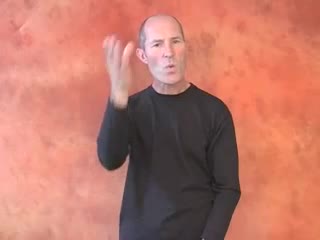
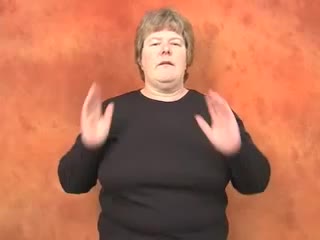
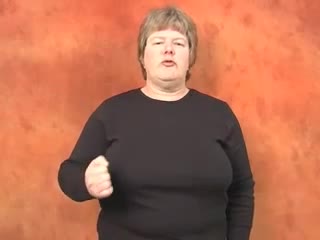
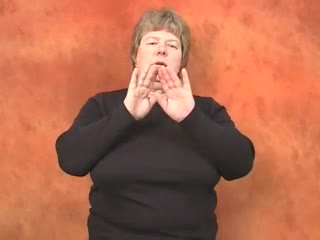
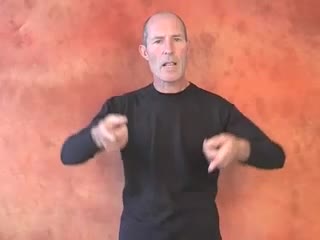
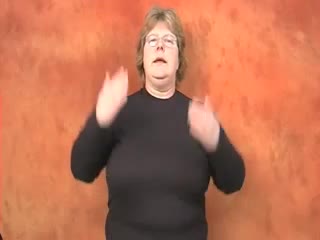
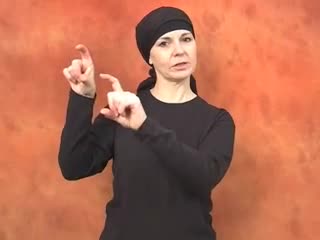
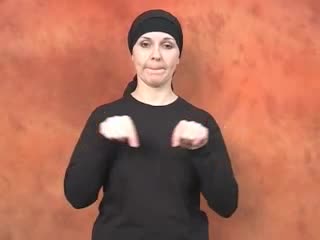
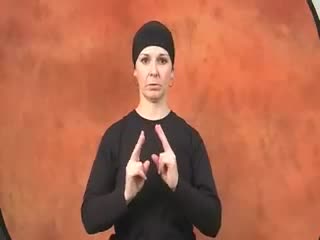
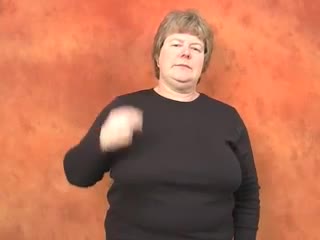
Best practice Use mirror mode, then watch the frame breakdown below to catch the start, movement, and finish cleanly.
Video via SpreadTheSign  - Free educational resource BSL
Updated April 25, 2026
British Sign Language (BSL) 🟢 Beginner 📊 B1 ⚡ Common Noun

master

An owner, controller, or a person with exceptional skill or knowledge

Source-linked video Step-by-step guide Context and safety notes
Synonyms
Owner boss expert chief leader
Antonyms
Servant subordinate apprentice beginner
Difficulty
Not rated yet

Create a free account to save this sign, keep your watch history, and unlock a one-note journal preview.

How to sign it
Handshape
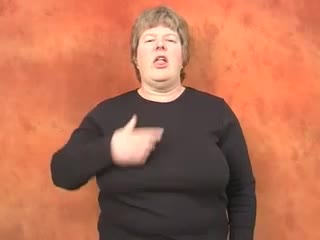
Dominant hand starts as a C-shape, then closes into a tight S-shape (fist)
Location
Near the dominant temple or forehead
Movement
Hand closes from an open C-shape into a firm S-shape (fist)
Palm Orientation
Towards non-dominant side/forward
Facial Expression
Neutral facial expression, can be firm for emphasis
🔁 Spaced Review Try it free

How well do you know this sign?

MASTER
Your Progress Live
🌱
Level 1 · BSL Beginner +0 XP today
This sign Not learned yet
0 watches
Mastery 0%
Confidence
How well do you know this sign?
0 🔥 Streak
0 Signs seen
0 Learned
0 Watches
📖 Vocabulary health 🔒 Log in to see score
0 Mastered
0 Confident
0 Practicing
0 Just seen

Create a free account to keep your vocabulary score between sessions

7-day activity 0 of 7 active

Register free to sync activity across devices

Watch signs to see your history here

Tracking locally for now. Create a free account to save your progress and sync across devices.
Free gets you started. Paid adds the repeat-learning layer: review queues, deeper notes, compare mode, and better comeback tools.
My Sign Journal
Personal notes, saved to your account forever
Locked

Write memory tricks, usage examples, and cultural reminders beside each sign. Create a free account to unlock your first saved note preview on this page.

Create free account Already have an account? Log in

What This Sign Means in BSL

The BSL sign for master beautifully captures the essence of someone holding authority, possessing exceptional skill, or being in charge. It's often used to refer to a person who has achieved a high level of expertise in a particular field, or someone who leads and guides others. Think of a master craftsman, a master mariner, or even the master of ceremonies at an event – all roles that imply a profound level of command, knowledge, or control.

This sign carries a natural weight of respect and recognition. The movement itself, from an open C-shape to a firm, decisive S-shape near your dominant temple, strongly conveys the idea of a concept or domain being grasped, understood, and commanded within the mind. It’s not just about knowing something; it’s about having a deep, comprehensive mastery over it. The location at the temple further reinforces this connection to intellect, wisdom, and leadership originating from thought and understanding.

While the English word "master" can sometimes carry various connotations, in BSL, this specific sign primarily emphasises the qualities of expertise, leadership, and authority in a positive and esteemed light. It's about someone who is at the top of their game, someone whose knowledge or position warrants respect and attention.

When This Sign Feels Natural

This sign feels most natural when you're referring to an individual who holds a position of significant authority or has demonstrated outstanding proficiency. For example, if you're talking about the captain of a ship, who is often called the ship's master, or an artisan who has honed their skills over many years to become a "master weaver." It's particularly fitting for traditional roles where a person guides apprentices or oversees complex operations.

You'll find yourself using this sign in situations that demand a certain level of formality or respect for the individual's standing. Imagine explaining a historical figure renowned for their strategic genius, or introducing someone who is the undisputed expert in their niche. It signals that this person is not just good at what they do, but truly exceptional and influential within their domain.

However, it's worth considering your audience and the specific context. While versatile, for everyday workplace hierarchy, signs like BOSS or MANAGER might be more common and direct. Similarly, if you mean "expert" in a very general sense without the implication of leadership or deep-seated authority, other signs might be more precise. Choose this sign when the idea of comprehensive command or profound skill, often in a guiding capacity, is central to your message.

What Learners Usually Miss

One common oversight for learners is the precise handshape transition. It's crucial that your dominant hand starts as a clear, open C-shape, looking almost like you're about to grasp something, before closing completely into a firm S-shape (a tight fist). Sometimes learners make the C-shape too shallow or the final S-shape not firm enough, which can dilute the sign's impact and make it less clear. The crispness of this closure is vital for conveying the decisiveness of mastery.

Another subtlety often missed is the exact location and firmness. The sign should be made near your dominant temple or forehead, not touching your cheek or floating too far away from your head. The contact, or near-contact, with the temple anchors the sign to the idea of intellect and leadership. The movement itself should be confident and singular – one clear closure, not a hesitant or repeated motion. There isn't typically a specific facial expression mandated, but a neutral or slightly serious expression usually complements the authoritative nature of the sign better than a casual one.

Finally, learners sometimes overuse "master" when a more specific sign might be better. While versatile, it's not a universal replacement for LEADER, TEACHER, or EXPERT in every single context. Pay attention to the specific nuance of your sentence. Are you emphasising someone's supreme skill, their overall command, or simply their role as a guide? Refining your choice ensures your BSL is both accurate and natural-sounding.

A Simple Way to Remember It

To embed the BSL sign for master into your memory, think of it as taking firm command of an idea or situation within your mind. The action of your hand closing at your temple vividly illustrates this process of intellectual ownership and authority.

  • The Temple Connection: Place the sign near your temple to associate "master" with intellect, wisdom, and the "brainpower" that defines true expertise or leadership.
  • Grasping Command: Imagine your C-shaped hand "reaching out" to grasp an entire concept or domain, then "firmly closing" into an S-shape to signify complete control and mastery over it.
  • Decisive Firmness: The strong, decisive closure from C to S reflects the unwavering authority and definitive skill of a master, leaving no doubt about their competence.

Short Practice Situations

  • The ship's master was highly respected by the entire crew for his navigation skills.
  • To become a true master of calligraphy requires years of dedicated practice and an eye for detail.
  • He was introduced as the master of ceremonies, guiding the event smoothly from start to finish.
  • The young apprentice diligently observed his master, eager to learn the ancient craft.
  • She finally achieved her goal of becoming a chess master after countless tournaments.

Signs to Learn Next

  • LEADER: Often involves a similar concept of guiding and being in charge. Learning LEADER helps differentiate between general guidance and the specific authority of a master.
  • EXPERT: This sign focuses purely on someone's high level of skill and knowledge. Practising EXPERT alongside MASTER clarifies when to emphasise proficiency versus overall command.
  • BOSS: Useful for specific workplace hierarchies, BOSS helps you distinguish between a formal supervisor and the broader, often more traditional, sense of a master.
  • TEACHER: A master often teaches others. Learning TEACHER allows you to express the imparting of knowledge, which is a common role for someone who has achieved mastery.
  • CONTROL: This sign directly relates to the power and influence a master holds over a situation or domain. Understanding CONTROL enhances your ability to describe aspects of a master's role.

🤖 AI Learning Guide for "master"

The BSL sign for 'master' uses the dominant hand starting as a C-shape near the temple, then closing into a firm fist. This signifies control, ownership, or high skill

🎯 Practice Challenge

Practice forming a C-shape, then firmly closing it to an S-shape (fist) at your temple

⚠️ Most Common Mistake

Ensure the hand closes completely and firmly into a tight fist right at the temple area

👐 How to Sign "master" in British Sign Language (BSL) (Quick Answer)

Follow these steps to sign master correctly in British Sign Language (BSL):

  1. 1 Form C-hand, palm slightly forward/side
  2. 2 Place C-hand near dominant temple/forehead
  3. 3 Close hand firmly into an S-shape (fist)

Tip: Watch the video above while following these steps for best results.

🤚 Sign Profile

🤚
Handshape
Dominant hand starts as a C-shape, then closes into a tight S-shape (fist)
🔣
Handshape Code
C > S
Dominant Hand
Right
🙌
Hand Count
One-handed
📍
Location
Near the dominant temple or forehead
↗️
Movement
Hand closes from an open C-shape into a firm S-shape (fist)
🔄
Movement Type
Twist
👆
Contact
Near
👋
Palm Orientation
Towards non-dominant side/forward
⚖️
Symmetry
Asymmetric

😊 Non-Manual Features

Facial expressions and body language are grammatically essential in British Sign Language (BSL) - not optional!

😊
Facial Expression
Neutral facial expression, can be firm for emphasis
🙆
Eyebrows
Neutral
👁️
Eye Gaze
Forward
🙂
Head Movement
None
👄
Mouth Morpheme
Often mouthing 'master' or 'mmm'
🕴️
Body Shift
None

📖 Grammar & Linguistics

Part of Speech Noun
Inflection No
Classifier Usage N/A
Role Shift No

🎓 Learning Context

📌 When to Use: Referring to a person in authority, an expert, or an owner
⚠️ Common Mistake: Incorrect starting handshape or not closing hand fully
🚫 When NOT to Use: When referring to a female authority figure (use appropriate term)
Context Tags
Authority skill ownership expertise

🧪 Practice Lab

Use these tiny checks right after watching the video. Fast feedback is what turns recognition into recall.

Meaning check

Which word matches the sign you just watched?

Usage check

Where would this sign fit most naturally?

Confidence check

How do you feel about master right now?

Pick one so SignDeaf can shape the rest of your session around how this sign actually feels.

🧭 Scenario Drill

One sign gets remembered faster when you attach it to real situations. Try these quick scene prompts.

Work

Stretch practice

Use this sign in a short workplace sentence or meeting exchange.

Family

Stretch practice

Try signing this while talking about family life or something at home.

School

Possible fit

Imagine teaching this sign to a classmate or using it in a lesson.

Doctor

Stretch practice

Practise it in a healthcare conversation where clarity matters.

Travel

Stretch practice

Use it in a travel scenario like asking for help or directions.

💬 Example Usage

1.[en] He is the master. / BSL:[Sign MASTER] | 2.[en] House master. / BSL:[Sign HOUSE, then MASTER] | 3.[en] Master of the skill. / BSL:[Sign SKILL, then MASTER]

1.[en] He is the master. / BSL:[Sign MASTER] | 2.[en] House master. / BSL:[Sign HOUSE, then MASTER] | 3.[en] Master of the skill. / BSL:[Sign SKILL, then MASTER]

When to use it

Referring to a person in authority, an expert, or an owner

When not to use it

When referring to a female authority figure (use appropriate term)

Register

Neutral

🌍 Cultural Context

Historically associated with male authority; modern usage includes expertise

🗺️ Regional Variations

Minor variations in exact handshape or location near the head exist

⚖️ Similar Signs - What's the Difference?

This sign master
VS
Similar signs Look closely
**EXPERT:** Often uses two hands, one tapping the forehead, or a single 'E' hand tapping the temple. 'Master' is a single C-to-S closure. 'Expert' emphasizes knowledge, 'Master' implies control or ultimate skill.
**BOSS:** Can be a 'B' hand tapping the shoulder or a 'G' hand at the temple. 'Master' uses a C-to-S closing hand at the temple, distinct from 'B' or 'G' shapes. 'Boss' is general manager/supervisor, 'Master' is more encompassing authority or skill/ownership

📝 Usage Notes

Can denote high skill, control over something, or a position of authority

Frequently Asked Questions

Common questions about the British Sign Language (BSL) sign for "master".

🏷️ Tags

Handshape

Keywords

💡
Did you know?
In BSL, non-manual features (facial expressions, mouthing) are as important as the hand movements.

📚 Explore More British Sign Language (BSL) Signs

Keep building your British Sign Language (BSL) vocabulary - explore signs by category or browse the full dictionary.