What This Sign Means in BSL
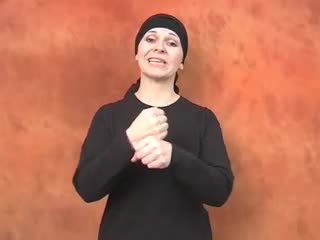
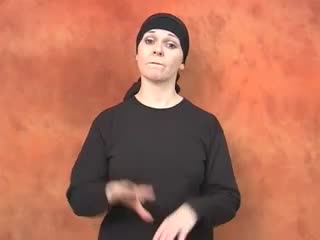
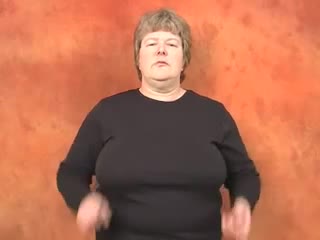
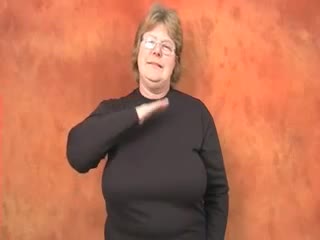
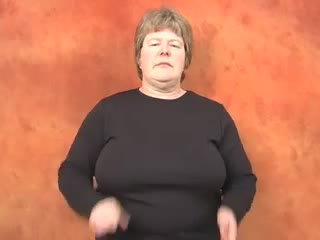
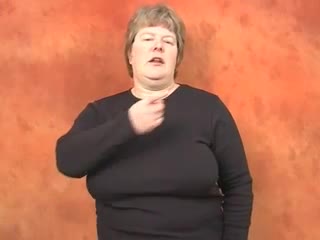
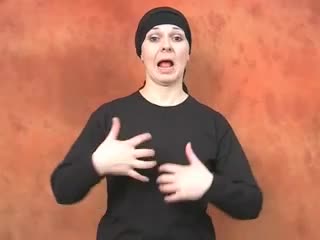
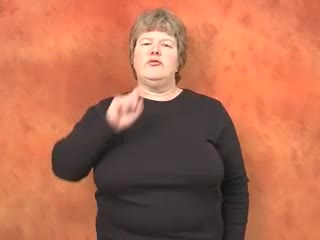
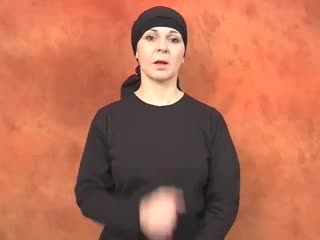
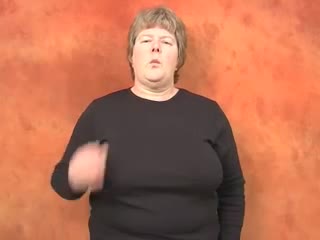
The BSL sign for dark is a wonderfully descriptive one, visually painting the concept of light diminishing or being obscured. When you perform this sign, you're not just conveying an absence of light; you're actively showing the process of it becoming dark. It's a very direct and unambiguous sign, making it easy for learners to grasp its core meaning quickly.
Imagine your hands as something that closes in, like shutters or a curtain, effectively blocking out the world. This sign is primarily used for the literal meaning of darkness – things like a dark room, the onset of night, or a power cut. It’s about the visual sensation of not being able to see due to insufficient light.
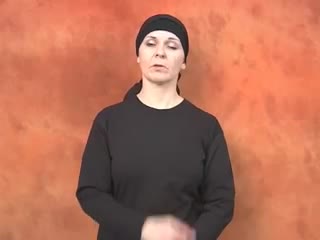
Pay close attention to the handshape: both hands are flat, with fingers together, like 'B' hands. The movement is key; they sweep inward in front of your face, meeting or nearly meeting, as if you're pulling a veil over your eyes or closing something that blocks light. This expressive movement is what makes the sign so potent and clear in BSL.
When This Sign Feels Natural
This sign feels most natural and is predominantly used in everyday situations where the absence of light is the main subject. Think about commenting on the time of day, "It's getting dark early today," or describing a physical space, "The cinema was very dark when we went in." It's a neutral sign, suitable for any audience and context where you're discussing literal darkness.
You'll also find yourself using it when talking about practical scenarios, like a power outage, "The electricity went out, and the whole house was dark," or even when asking someone to dim the lights, "Could you make the room a bit darker?" The sign naturally accommodates slight modifications in speed or size to convey degrees of darkness, though for 'very dark,' facial expression often carries more weight.
It's important to remember that while BSL is incredibly versatile, this sign almost exclusively refers to the absence of light. If you wanted to describe a person with "dark hair," you'd typically sign "hair" and then indicate the colour "black" or "brown" with appropriate facial expression. Similarly, for a "dark mood," you would use signs like sad or depressed, as the BSL sign for dark doesn't usually carry that metaphorical emotional weight.
What Learners Usually Miss
A common mistake learners make with the BSL sign for dark is neglecting the vital role of facial expression. While the hand movement is clear, your face adds crucial nuance. For just 'dark,' a neutral or slightly narrowed eye expression is usually fine. However, if you're conveying *pitch dark* or *so dark you can't see*, your eyes might squint a little, perhaps with a slight furrowed brow to show the effort or difficulty of seeing. Without this, the sign can sometimes feel a bit flat or less impactful.
Another subtle but important detail is the exact location and path of the hands. The hands should close *in front* of the face, specifically at eye-level, not *on* the face, and not too far out from it. The movement isn't just a generic closing; it's a deliberate, inward sweep that suggests covering or obscuring vision. Some learners might make the movement too small or too large, losing that sense of shutting out the light. Practice this precise, smooth, covering motion.
Finally, watch out for over-extending the sign's meaning. As mentioned, "dark" in BSL is very literal. Learners sometimes try to use it for abstract concepts like a "dark thought" or a "dark secret." In BSL, these would require different signs and contexts – perhaps secret or private combined with a serious facial expression, or bad/evil for thoughts. Stick to its core meaning of light absence, and you'll use it correctly and naturally.
A Simple Way to Remember It
Think of the BSL sign for dark as a direct representation of light being taken away or blocked. Your hands aren't just moving; they're actively performing an action that brings about darkness. This visual and kinesthetic connection makes it one of the more intuitive signs to recall once you understand its underlying metaphor.
- Visual Blocker: Imagine your flat hands as two panels or shutters that close together, effectively blocking out all incoming light from your eyes.
- Nightfall Gesture: Picture the setting sun, and your hands mimicking the way the light fades and the world becomes enveloped in shadow, closing in on your vision.
- "No See" Action: Connect the movement to the feeling of suddenly being unable to see due to darkness, as if you're instinctively covering your eyes or having something block your view.
Short Practice Situations
- It's getting really dark outside now; we should probably turn on some lights.
- When the power went out, the entire house became completely dark, and I couldn't find anything.
- Please close the curtains fully; I need the room to be dark to sleep properly.
- I prefer walking in the park when it's still light, not after it gets dark.
- Suddenly, a thick fog rolled in, making it very dark and hard to see the road ahead.
Signs to Learn Next
- LIGHT (bright): This is the natural opposite of dark. Learning it next will help you describe both ends of the spectrum and build your vocabulary around illumination.
- NIGHT: The concept of night is intrinsically linked with darkness. Knowing how to sign "night" will allow you to talk about time and environment more fluently.
- BLIND: While not directly about darkness, the inability to see is a core component. Understanding the sign for "blind" adds nuance to discussions about vision and lack thereof.
- CURTAIN/SHUTTERS: These objects are directly responsible for making a room dark. Learning their signs will allow you to discuss actions related to controlling light in a space.
- ROOM/HOUSE: Often, it's a room or a house that is described as dark. Knowing these foundational signs will give you contexts in which to use "dark" effectively.