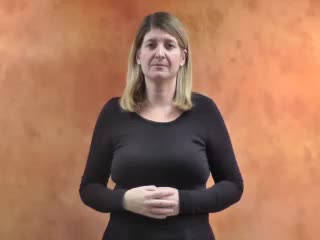
What This Sign Means in BSL
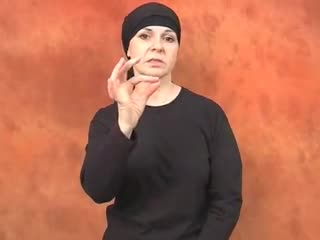
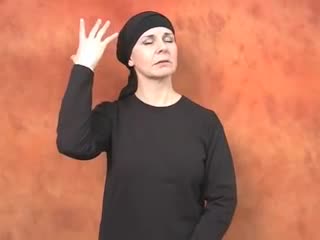
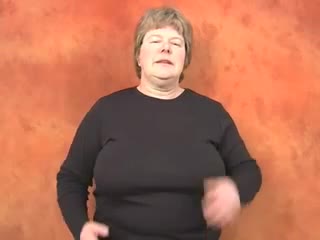
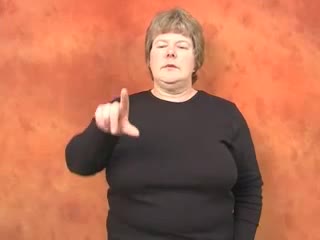
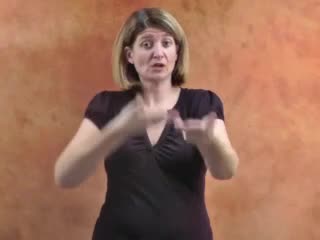
The BSL sign for isolate captures the clear and decisive act of setting something or someone apart from a larger group or context. At its heart, it signifies separation, often with a purpose. Think of it as singling out an element and giving it its own space, whether that's a physical space, a conceptual space, or even an emotional one.
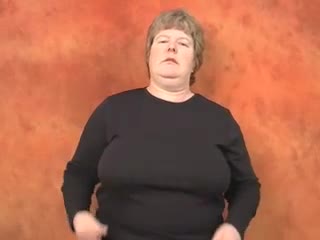
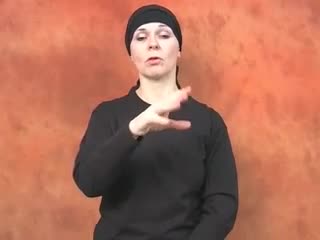
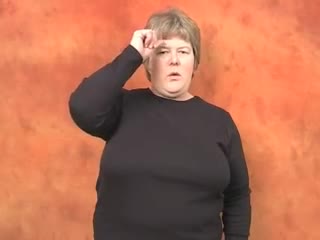
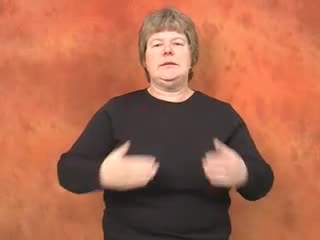
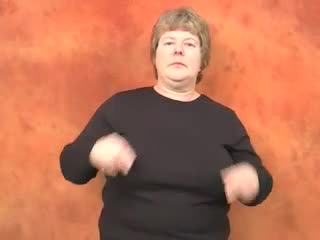
What makes this sign particularly potent is its directness. The movement isn't vague; it's a sharp, intentional pull. This crispness communicates a deliberate action, implying that the isolation isn't accidental but a conscious decision or outcome. It's a verb that carries weight, describing the active process of creating distance or detachment.
Understanding this sign means grasping the idea of *active removal* or *designation of separateness*. It's not merely about being alone, but about the process or state of *being made* alone, or *making* something stand alone. This distinction is crucial for using it accurately and conveying the intended meaning in BSL conversations.
When This Sign Feels Natural
This sign feels incredibly natural in contexts where the act of separating or containing is central. Imagine a scientist explaining how they needed to isolate a specific compound for an experiment; the sign perfectly conveys that precise, controlled separation. Similarly, in a medical setting, describing the need to isolate a patient to prevent infection spread would naturally employ this sign, emphasising the protective barrier created.
Beyond the scientific or medical, the sign can also represent social or emotional isolation. If someone is discussing a situation where a person felt deliberately excluded or set apart from a peer group, the sign carries that nuanced meaning. Its register is generally neutral, but the accompanying facial expression and body language are key to conveying whether the isolation is positive (e.g., isolating a variable for study) or negative (e.g., isolating a person due to conflict).
You'd choose this sign when the active process or result of being distinct and separate from others is the core message. If you simply mean "alone" in a passive sense, or "separate" as in two distinct items, other signs might be more fitting. But when the emphasis is on the *act* of creating that separation, or the state *resulting from* that act, the BSL sign for isolate is your precise choice.
What Learners Usually Miss
A common pitfall for learners is mistaking the sign for simply "alone" or "separate." While related, "isolate" carries a more active, often purposeful, connotation. The primary thing often missed is the *sharpness* and *directionality* of the movement. It's not a gentle drift away; it's a distinct, almost snapping pull back, away from an implied or actual group or mass. This crisp movement is vital for conveying the decisive nature of isolation.
Another subtle point that can be overlooked is the implied "from." The hand pulls back *from* something. If you're not mentally picturing what is being pulled away from, the sign can lose some of its impact. Learners sometimes perform the movement too slowly or without enough conviction, making it appear hesitant rather than a clear act of separation. Remember, the G-hand is like a focused lens, and the pull is the act of singling out and moving that focus.
Facial expression also plays a significant role here. While the sign itself is neutral, the context dictates the emotion. If you're signing about isolating a problem to fix it, your expression might be determined or thoughtful. If it's about a person feeling isolated, a concerned or sad expression is crucial. Mismatched facial expressions can inadvertently alter the sign's intended emotional weight, so always consider the full communication package.
A Simple Way to Remember It
Imagine your dominant G-hand as a focused "pointer" or "selector." The extended index finger is singling out one specific thing from a crowd. The sharp, strong pull back is the action of drawing that singled-out item away, creating a clear space around it, effectively isolating it. It's like extracting one piece from a puzzle and setting it aside for individual attention.
- The G-hand as a "Pointer": Think of your extended index finger as pointing directly at the one thing you want to isolate, making it distinct from everything else.
- The Sharp Pull as "Extraction": Visualise literally pulling that singled-out item away from the main body, physically removing it to its own space.
- Creating a "Bubble of Space": The movement creates an imaginary "bubble" or boundary around the isolated element, emphasising its separation and distinctness.
Short Practice Situations
- The scientist needed to isolate the specific chemical compound for further analysis in the lab.
- We had to isolate the faulty wire in the circuit before we could repair the entire system.
- After the argument, she chose to isolate herself from the group for a short while to process her feelings.
- The new government policy aims to isolate the impact of rising costs on vulnerable families.
- During the outbreak, health officials advised people to isolate themselves if they showed symptoms.
Signs to Learn Next
- ALONE: This sign often describes the state of being by oneself, without the active emphasis on the *process* of separation that "isolate" carries. Learning both helps you distinguish between the action and the state.
- SEPARATE: Similar in concept, "separate" can refer to things being distinct or pulled apart, but often lacks the specific "singling out" implication of "isolate." It's great for showing items that are simply not together.
- REMOVE: This sign is about taking something away more generally. While isolating involves removing, "remove" doesn't necessarily imply the creation of a distinct, set-apart state. It's a broader action.
- GROUP: Learning the conceptual opposite, "group," helps solidify your understanding of "isolate" by providing a clear contrast. It shows unity where "isolate" shows division.
- LONELY: This sign conveys the emotional consequence that can sometimes arise from being isolated. Understanding "lonely" alongside "isolate" allows you to express both the action/state and the feeling it might evoke.