What This Sign Means in BSL
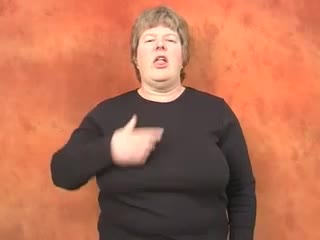
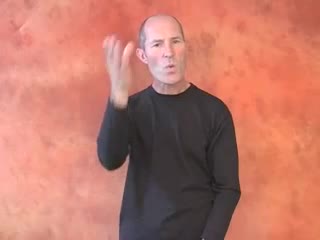
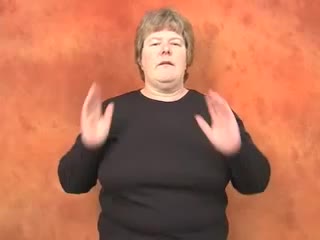
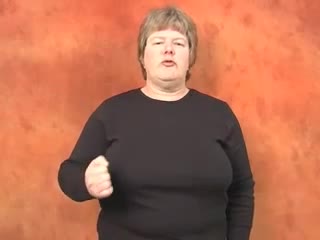
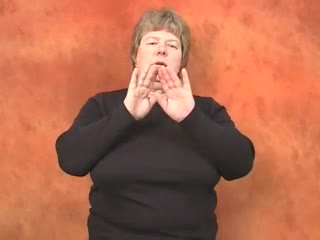
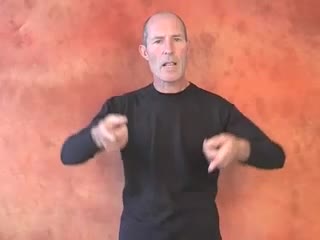
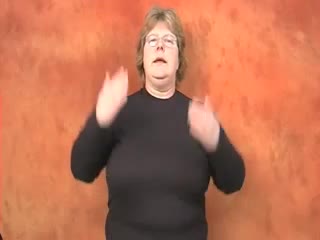
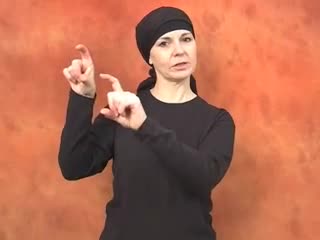
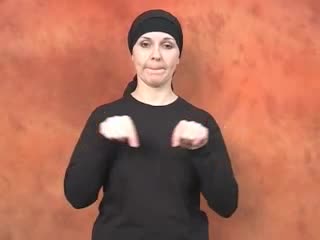
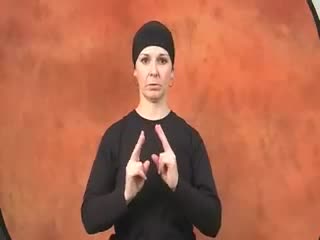
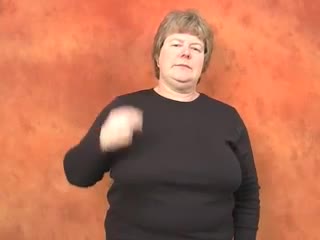
The BSL sign for drilling machine is wonderfully direct and iconic. It's a sign that truly shows you what it means, depicting the action of holding and operating a handheld power drill. When you see this sign, you're not just seeing a concept; you're seeing the physical act of drilling brought to life through the hands.
At its core, this sign is about functionality and utility. It represents the tool itself and, by extension, the primary action it performs. The dominant hand forms a firm fist, embodying the grip on a drill's handle, while the repeated rotation of the wrist vividly simulates the drill bit spinning and boring into a surface. This makes it instantly recognisable to most signers, even those who might not use a drilling machine every day, because the visual connection is so strong.
This sign is a foundational part of vocabulary for anyone discussing home improvements, construction, repairs, or even just asking for a specific tool. It's a practical sign for a practical object, carrying a straightforward and unambiguous meaning within BSL conversations. Its clarity means there's rarely any confusion about what you're referring to when you use it correctly.
When This Sign Feels Natural
You'll find the BSL sign for drilling machine feels most natural in everyday, practical conversations. Imagine you're chatting with a friend about fixing a wobbly shelf, or you're explaining a DIY project you've just completed. This sign slots in perfectly, conveying the specific tool you used or need. It's the sign you'd reach for when discussing anything from assembling flat-pack furniture to undertaking more significant renovation work around the house.
This sign maintains a generally neutral to informal register, making it suitable for a wide range of social contexts. You can use it comfortably with close family, friends, or even colleagues on a work site. It’s directness means it communicates effectively without needing additional explanation in most situations. If you're describing an incident involving a drill, or simply listing items in a toolbox, this sign is your go-to.
While the sign covers the general concept of a "drilling machine," you might choose a different approach if you need to be highly specific about the *type* of drill, perhaps an "impact driver" versus a "cordless drill." In those more nuanced situations, you might follow the BSL sign for drilling machine with a classifier or a fingerspelled word for clarity, but the base sign remains the bedrock for communicating the tool. For general use, however, this sign is almost always the correct and most natural choice.
What Learners Usually Miss
One common area where learners sometimes falter with the BSL sign for drilling machine is in the *precision* of the movement. It’s not just any wrist twist; it needs to be a clear, repeated rotation, specifically from the wrist, not the entire forearm. Think about the continuous, focused action of a drill bit turning steadily. Some learners might do a single, quick twist or a loose, circular motion. The key is that sustained, purposeful rotation that shows the drill *working*.
Another subtle but important detail is maintaining the firm S-hand shape throughout the sign. This isn't a relaxed hand; it represents a secure grip on a tool. Learners sometimes allow their fingers to splay slightly or lose the tension, which can make the sign look less like holding a powerful machine and more like a general hand movement. Keep that fist tight and purposeful, reflecting the control required to operate a drilling machine.
Finally, paying attention to the location and rhythm can make a big difference. The sign is typically performed at mid-chest height, simulating a natural working position. Avoid letting the sign drift too high or too low, as this can detract from its iconic representation. Additionally, the rhythm of the rotation should be consistent and steady, not overly fast or hesitant. It reflects the machine's operation – a focused, steady bore, not a frantic or uncertain action. Practice maintaining a smooth, controlled rotation at the appropriate height, and you'll nail the authenticity of this sign.
A Simple Way to Remember It
The BSL sign for drilling machine is incredibly intuitive because it acts out the very function of the tool. To easily commit it to memory, simply imagine yourself actually using a drill. Your dominant hand becomes the hand holding the drill, and your wrist becomes the mechanism that makes the drill bit spin. It’s a direct physical representation that connects the sign to its real-world use.
- The Grip: Think of forming a tight, strong fist (the S-hand) as if you're firmly grasping the handle of a powerful drilling machine. This handshape conveys control and readiness.
- The Action: Visualise the drill bit spinning. Your repeated wrist rotation directly mimics this essential function, showing the drill boring into a surface.
- The Position: Holding your hand at mid-chest height is exactly where you'd typically hold a drill for comfortable, effective work. This natural positioning anchors the sign to practical use.
Short Practice Situations
- "I need to borrow your drilling machine this weekend to put up some new shelves."
- "The new flat-pack wardrobe requires a drilling machine for assembly, which I don't own."
- "During the renovation, they used a very powerful drilling machine to create new openings."
- "Have you seen the small, cordless drilling machine? I can't find it anywhere in the shed."
- "I'm going to teach my son how to safely use a drilling machine for simple DIY tasks."
Signs to Learn Next
- TOOL: Since a drilling machine is a type of tool, learning the general sign for 'tool' will help you categorise it and discuss other implements.
- SCREW: Drills are often used to create pilot holes for screws or to drive screws directly. This sign is a natural follow-on for discussing fasteners.
- HAMMER: Another fundamental DIY and construction tool, 'hammer' often comes up in similar contexts as 'drilling machine'.
- BUILD/CONSTRUCT: Understanding how to sign 'build' or 'construct' provides the broader context in which a drilling machine is frequently employed for creating structures.
- REPAIR: Drills are indispensable for fixing things. Learning the sign for 'repair' allows you to talk about the common applications of a drilling machine in maintenance work.