What This Sign Means in BSL
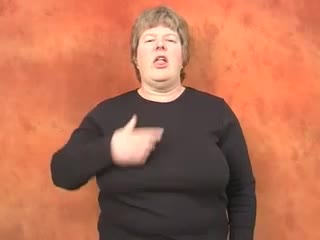
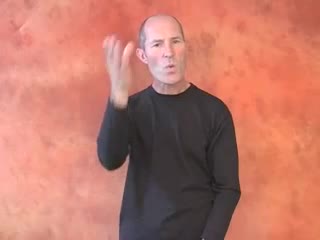
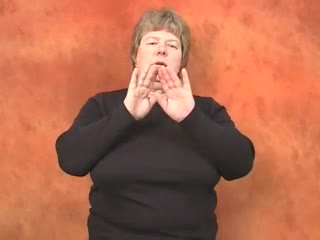
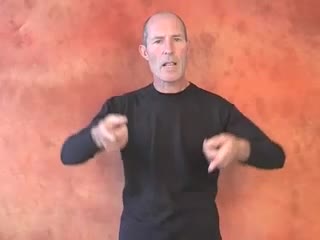
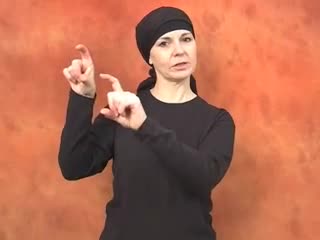
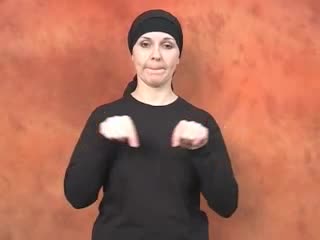
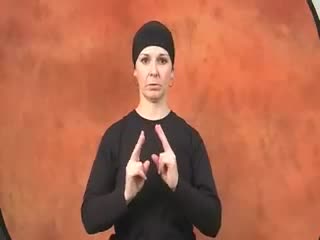
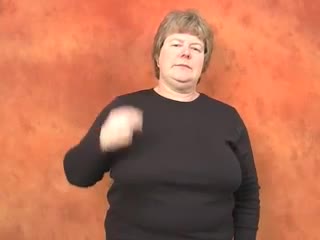
The BSL sign for scaffold staging is beautifully iconic, almost drawing the structure in the air right before your eyes. It represents the temporary, multi-level platforms used by people working on buildings, stages, or other elevated structures. When you perform this sign, you’re not just describing a scaffold; you're visually constructing its essence, layer by layer, with your hands.
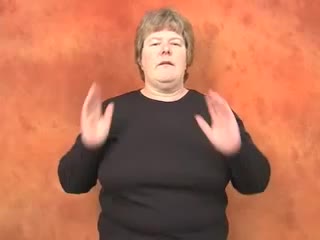
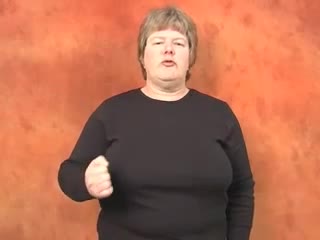
You’ll notice that both hands are flat and open, like planks or platforms, with palms facing each other. The core of the sign lies in the movement: your hands ascend in alternating, staggered steps. This mimics the way a scaffold is built upwards, adding one level then the next, or the way someone might climb its various platforms. It's a very clear, visual representation, making it intuitive for both signers and often for hearing people new to BSL.
This sign specifically refers to the structural support or the platforms themselves, not necessarily the act of building it (though the movement suggests it). It conveys the idea of an elevated, temporary work surface. Understanding this visual connection makes the sign much easier to remember and execute with the correct rhythm and form, conveying its precise meaning without ambiguity.
When This Sign Feels Natural
You'll find yourself using the sign for scaffold staging very naturally when discussing construction projects, building renovations, or maintenance work on high structures. Imagine talking about a new building going up, or an old one being repaired – the scaffolding is often a prominent feature, and this sign fits perfectly into those conversations.
Its register is quite neutral, meaning it's appropriate for a wide range of contexts. You could use it in a formal presentation about urban development, or in a casual chat with a friend about the noise from the builders next door. It’s a practical, everyday vocabulary item for anyone needing to describe the working environment around buildings.
It’s important to distinguish this sign from a theatrical "stage." While the English word "staging" can refer to both, the BSL sign is clearly rooted in the construction context. If you were talking about a performance stage, you would use a different, specific sign often involving flat hands creating a horizontal platform, or a sign for "performance." This sign is strictly for those temporary, elevated work platforms.
What Learners Usually Miss
One of the most common nuances learners miss with this sign is the alternating, staggered movement. It’s not just both hands moving up simultaneously, nor is it a rigid, robotic ascent. Think of it as each hand taking its turn to ascend slightly higher than the other, creating a dynamic, stair-like or ladder-like progression. This alternating rhythm is what truly brings the sign to life and makes it look like a real scaffold being built or climbed.
Another subtle point is maintaining the correct handshape and palm orientation throughout the movement. Your hands should remain flat and open (B-hands), with palms consistently facing each other. Learners sometimes let their hands cup slightly or rotate their palms outwards as they ascend. Keeping them flat and parallel ensures they correctly represent the flat, solid platforms of the scaffold.
Finally, paying attention to the location and height is crucial for clarity. The movement should begin around mid-chest and ascend naturally to head height, indicating the increasing levels of the scaffold. If the sign is performed too low or without a clear upward trajectory, it can lose some of its visual impact and be less clearly understood as a rising structure. Keep that upward momentum strong and steady.
A Simple Way to Remember It
To help this sign stick in your memory, visualise the function and form of a scaffold as your hands move. It’s a very logical, mimetic sign that directly reflects what it represents.
- Building Blocks: Imagine your hands are the planks or platforms, stacking upwards one after the other, forming the layers of a scaffold.
- Climbing the Levels: Think of a worker climbing the staggered levels of a scaffold. Your hands mimic those steps, ascending in an alternating fashion.
- Flat Surfaces: The flat, open handshape perfectly represents the solid, flat surfaces that people stand on when working on a scaffold.
Short Practice Situations
- "They've put up scaffold staging all around the new building, which is making the street look very busy."
- "The window cleaners will need to use the scaffold staging to reach those really high panes."
- "Be careful when walking past; there's some temporary scaffold staging being dismantled this afternoon."
- "For the concert, they erected extra scaffold staging for the sound and lighting technicians."
- "Our neighbours are having their roof repaired, so they have scaffold staging up for the next few weeks."
Signs to Learn Next
- BUILDING: This sign often accompanies "scaffold staging" as you discuss construction sites or new developments. It usually involves stacked hands representing a structure.
- REPAIR/FIX: Frequently, scaffold staging is erected specifically for repairs or maintenance work. This sign typically uses hands coming together to signify mending.
- HIGH/TALL: To describe the impressive height of the scaffold or the lofty work being undertaken, this sign is useful, usually involving a hand moving upwards along an imaginary vertical plane.
- WORK/JOB: People on scaffold staging are almost always performing some kind of work. This common sign is made with the dominant hand tapping the non-dominant fist.
- LADDER: While distinct, a ladder is another means of reaching elevated areas and is often used alongside or within simpler forms of staging. It's signed with fingers mimicking rungs being climbed.