Speed
0
Practice reps times watched

Create a free account to keep your watch history and review plan.

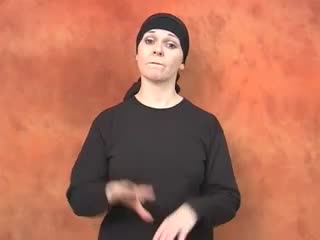
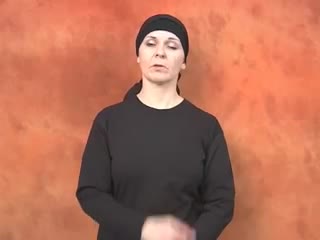
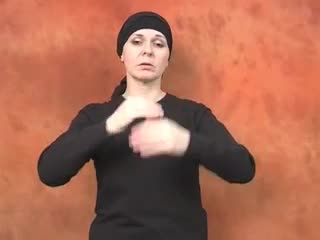
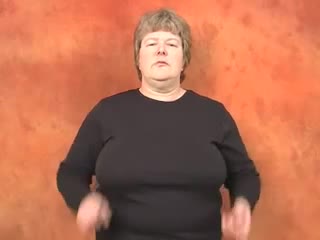
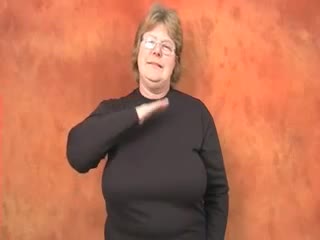
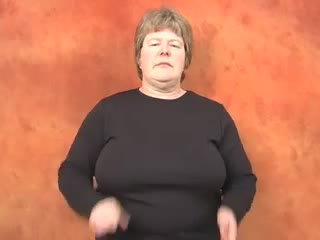
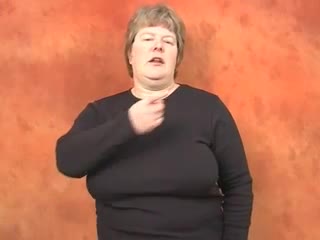
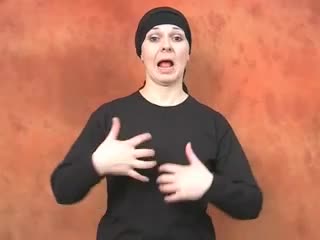
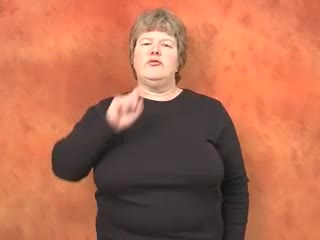
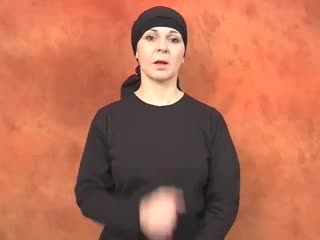
Best practice Use mirror mode, then watch the frame breakdown below to catch the start, movement, and finish cleanly.
Video via SpreadTheSign  - Free educational resource BSL
Updated April 24, 2026
British Sign Language (BSL) 🟢 Beginner 📊 A1 ⚡ Very Common Adjective

English

The sign for the adjective 'English', referring to nationality, language, or origin from England

Source-linked video Step-by-step guide Context and safety notes
Difficulty
Not rated yet

Create a free account to save this sign, keep your watch history, and unlock a one-note journal preview.

How to sign it
Handshape
G-handshape, index finger extended, thumb parallel to index, other fingers curled
Location
Near mouth/chin
Movement
Starts near mouth and moves outwards a short distance
Palm Orientation
Palm usually faces forward or slightly outward
Facial Expression
Slight mouth movement 'English'
🔁 Spaced Review Try it free

How well do you know this sign?

ENGLISH
Your Progress Live
🌱
Level 1 · BSL Beginner +0 XP today
This sign Not learned yet
0 watches
Mastery 0%
Confidence
How well do you know this sign?
0 🔥 Streak
0 Signs seen
0 Learned
0 Watches
📖 Vocabulary health 🔒 Log in to see score
0 Mastered
0 Confident
0 Practicing
0 Just seen

Create a free account to keep your vocabulary score between sessions

7-day activity 0 of 7 active

Register free to sync activity across devices

Watch signs to see your history here

Tracking locally for now. Create a free account to save your progress and sync across devices.
Free gets you started. Paid adds the repeat-learning layer: review queues, deeper notes, compare mode, and better comeback tools.
My Sign Journal
Personal notes, saved to your account forever
Locked

Write memory tricks, usage examples, and cultural reminders beside each sign. Create a free account to unlock your first saved note preview on this page.

Create free account Already have an account? Log in

What This Sign Means in BSL

The BSL sign for English is a beautifully concise way to refer to anything connected with England – be it people, culture, language, or origin. You’ll use this sign as an adjective, much like you would in spoken English, to specify the nationality or characteristic of something. It’s a foundational sign in British Sign Language, particularly for those living in or discussing the UK. What makes this sign immediately noticeable is its directness. The G-handshape, formed with your dominant hand, starts right near your mouth, suggesting a connection to speech or identity. This isn't a sign that carries a strong emotional tone on its own; it's factual and descriptive, allowing your facial expressions to add any necessary nuance depending on the context. Learning the BSL sign for English helps you articulate where someone is from, the origin of a product, or the subject of a conversation. It's incredibly versatile, appearing in contexts from daily chats about football to more formal discussions about history or literature. Mastering its precise form ensures clear communication about this specific identity within the broader British context.

When This Sign Feels Natural

You'll find yourself using the BSL sign for English naturally in a wide array of everyday conversations. Imagine you're introducing a friend from London, describing an English breakfast, or chatting about your favourite English author – this sign fits perfectly. It's the go-to sign when you need to specify something as being distinctly "of England" without needing to elaborate. The sign maintains a neutral register, making it appropriate for almost any audience, whether you're signing with close friends, colleagues, or in a more formal setting. It's a clear, unambiguous way to distinguish English people, goods, or concepts from those of other nationalities. You wouldn't typically choose a different sign for "English" unless you were intentionally being vague or referring to "British" as a whole. Consider situations where you might discuss history, geography, or even sports. If you're talking about the "English Premier League" or "English heritage sites," this sign becomes indispensable. It allows you to add that crucial layer of specific identity, ensuring your communication is precise and easy to follow for other BSL users.

What Learners Usually Miss

One common pitfall for learners is getting the exact handshape and movement just right. The G-handshape needs to be precise: your index finger extended straight, thumb parallel to it, and other fingers curled down. Sometimes learners might relax the thumb too much or let other fingers drift, which can make the sign less clear or even resemble another sign. Focus on keeping that G-handshape sharp and defined throughout the movement. Another subtle error can be the starting location and movement. The sign begins quite close to the mouth or chin, then moves outwards a short, controlled distance. Learners sometimes start too far away, make the movement too broad, or even too aggressive. Think of it as a gentle projection of the 'English' identity or language from the mouth area. It's a smooth, single, outward motion, not a jab or a flick. Ensure your movement is fluid and purposeful, reflecting the adjective's role. Finally, watch out for the temptation to over-generalise. While the sign is versatile, remember it's specifically for "English." Avoid using it as a default for any nationality or language if you're unsure. For example, if you mean "British," there's a different sign for that. This sign’s power lies in its specificity, so respecting its precise meaning prevents confusion and helps you build a more accurate BSL vocabulary.

A Simple Way to Remember It

To embed the BSL sign for English firmly in your memory, try linking its distinct features to its meaning. This isn't just a random gesture; its form holds clues that can make recall much easier, even when you're just starting out.
  • G for Great: Think of the G-handshape standing for Great Britain or even "German" (if you're thinking of "English, not German" for contrast), linking the form directly to the country.
  • Speak English: The sign starts near the mouth, which is where we speak. This location visually represents the act of speaking the English language or being an 'English speaker'.
  • Projecting Identity: The outward movement from the mouth can be seen as *projecting* the English identity or culture outwards, sharing it with others.

Short Practice Situations

  • My neighbour is a really interesting English person; they always have great stories.
  • We watched an excellent new film, it was an English production.
  • Is this restaurant known for serving traditional English food?
  • I bought a beautiful old book from an English antique shop last week.
  • She's studying English literature at university, focusing on Shakespeare.

Signs to Learn Next

  • BRITISH: This sign is crucial for understanding the broader national identity. While "English" is specific to England, "British" encompasses England, Scotland, Wales, and Northern Ireland, giving you context for national identity in the UK.
  • SCOTTISH / WELSH / IRISH: Learning these signs allows you to differentiate between the constituent countries of the UK and Ireland, enriching your ability to discuss specific regional identities and origins.
  • LANGUAGE / SPEAK: Given that the sign for English starts near the mouth, learning the signs for "language" and "speak" will deepen your understanding of how BSL visually represents communication and linguistic concepts.
  • COUNTRY / NATION: These signs provide the geographical and political context, enabling you to talk about the concept of a "country" or "nation" in BSL, which naturally relates to specific nationalities like "English."

🤖 AI Learning Guide for "English"

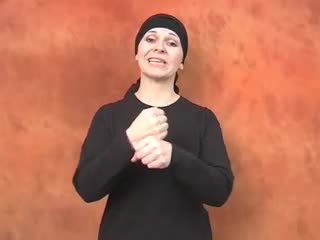
The BSL sign for 'English' uses a G-handshape, starting near the mouth and moving outwards briefly

🎯 Practice Challenge

Practice the G-handshape and the smooth outward movement from the mouth area

⚠️ Most Common Mistake

Ensure the G-hand is clear and does not touch the face. Movement is short and direct

👐 How to Sign "English" in British Sign Language (BSL) (Quick Answer)

Follow these steps to sign English correctly in British Sign Language (BSL):

  1. 1 Form a G-handshape with dominant hand
  2. 2 Place G-hand near mouth/chin, palm forward
  3. 3 Move hand outwards a short distance
  4. 4 Ensure index finger is extended, thumb parallel

Tip: Watch the video above while following these steps for best results.

🤚 Sign Profile

🤚
Handshape
G-handshape, index finger extended, thumb parallel to index, other fingers curled
🔣
Handshape Code
G
Dominant Hand
Either
🙌
Hand Count
One-handed
📍
Location
Near mouth/chin
↗️
Movement
Starts near mouth and moves outwards a short distance
🔄
Movement Type
Linear
👆
Contact
Near
👋
Palm Orientation
Palm usually faces forward or slightly outward
⚖️
Symmetry
Asymmetric

😊 Non-Manual Features

Facial expressions and body language are grammatically essential in British Sign Language (BSL) - not optional!

😊
Facial Expression
Slight mouth movement 'English'
🙆
Eyebrows
Neutral
👁️
Eye Gaze
Forward
🙂
Head Movement
None
👄
Mouth Morpheme
'English' or 'mm'
🕴️
Body Shift
None

📖 Grammar & Linguistics

Part of Speech Adjective
Inflection No
Classifier Usage N/A
Role Shift No

🎓 Learning Context

📌 When to Use: Describing nationality, language spoken, or things from England
⚠️ Common Mistake: Incorrect G-handshape, touching the mouth, not moving outwards enough
🚫 When NOT to Use: When referring to the UK overall (use 'British')
Context Tags
Nationality Language Geography Culture

🧪 Practice Lab

Use these tiny checks right after watching the video. Fast feedback is what turns recognition into recall.

Meaning check

Which word matches the sign you just watched?

Usage check

Where would this sign fit most naturally?

Confidence check

How do you feel about English right now?

Pick one so SignDeaf can shape the rest of your session around how this sign actually feels.

🧭 Scenario Drill

One sign gets remembered faster when you attach it to real situations. Try these quick scene prompts.

Work

Stretch practice

Use this sign in a short workplace sentence or meeting exchange.

Family

Stretch practice

Try signing this while talking about family life or something at home.

School

Stretch practice

Imagine teaching this sign to a classmate or using it in a lesson.

Doctor

Stretch practice

Practise it in a healthcare conversation where clarity matters.

Travel

Stretch practice

Use it in a travel scenario like asking for help or directions.

💬 Example Usage

1.[en] I am English. / BSL:[Signer points to self, then signs ENGLISH] | 2.[en] Do you speak English? / BSL:[YOU, SPEAK, ENGLISH (question NMM)] | 3.[en] She is learning English. / BSL:[SHE, LEARN, ENGLISH]

1.[en] I am English. / BSL:[Signer points to self, then signs ENGLISH] | 2.[en] Do you speak English? / BSL:[YOU, SPEAK, ENGLISH (question NMM)] | 3.[en] She is learning English. / BSL:[SHE, LEARN, ENGLISH]

When to use it

Describing nationality, language spoken, or things from England

When not to use it

When referring to the UK overall (use 'British')

Register

Neutral

🌍 Cultural Context

Distinct from 'British', 'Scottish', or 'Welsh' signs

🗺️ Regional Variations

Minor stylistic differences, core sign remains consistent

⚖️ Similar Signs - What's the Difference?

This sign English
VS
Similar signs Look closely
"English" (G-hand near mouth, moves out) is distinct from "British" (G-hand touches chin, then moves out in an arc). "Speak/Talk" (index finger taps chin/mouth) has a different handshape and movement. "English" focuses on a specific identity/language, "British" on the broader nationality

📝 Usage Notes

Can refer to people, language, or culture from England

Frequently Asked Questions

Common questions about the British Sign Language (BSL) sign for "English".

🏷️ Tags

Handshape

Keywords

💡
Did you know?
BSL uses a two-handed manual alphabet - different from ASL which is one-handed.

📚 Explore More British Sign Language (BSL) Signs

Keep building your British Sign Language (BSL) vocabulary - explore signs by category or browse the full dictionary.