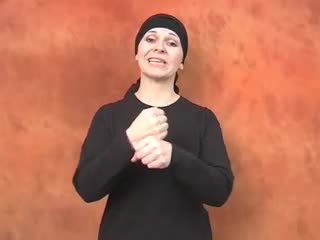
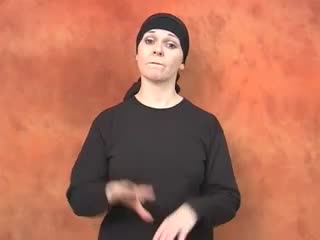
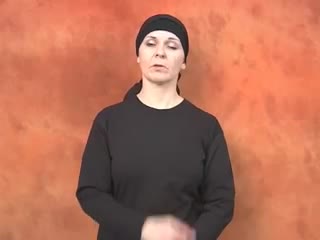
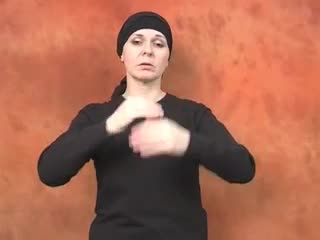
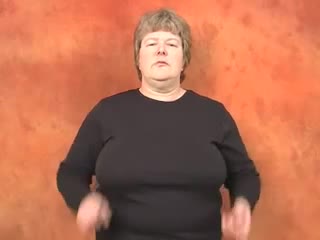
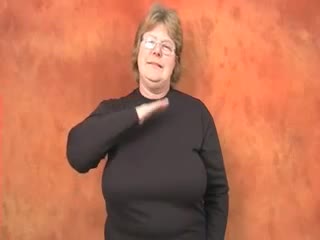
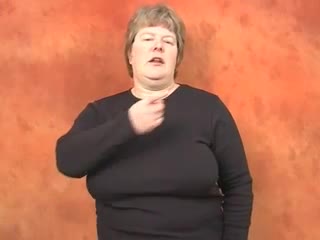
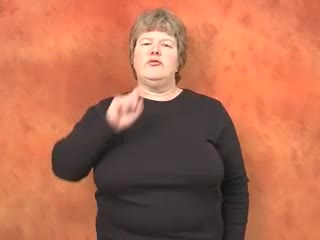
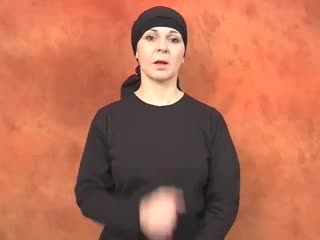
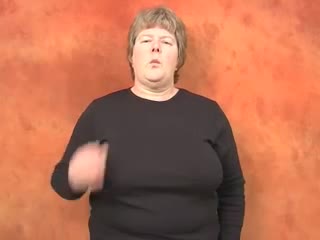
What This Sign Means in BSL
The BSL sign for late specifically conveys the idea of being behind schedule, missing an appointed time, or experiencing a delay. It's a fundamental sign in everyday communication, widely understood across the UK Deaf community. When you use this sign, you're communicating that an event, person, or thing is not happening at its expected or agreed-upon moment. It's a direct and efficient way to signal tardiness.
While the core meaning is straightforward, the sign's nuance can shift slightly depending on context and facial expression. It can be a simple factual statement, such as observing that a train is behind schedule. However, it often carries a personal weight, expressing regret or apology when one is personally late for an engagement. This makes it a highly versatile sign, essential for navigating daily interactions involving punctuality.
It's important to recognise that this sign is specifically about *tardiness* or *delay*. It doesn't typically refer to something being "past its prime" or "deceased" (as in "the late Mr. Smith" in English). BSL has different signs and linguistic structures for those concepts. The sign "late" is anchored firmly in the domain of time management and adherence to schedules.
When This Sign Feels Natural
This sign feels incredibly natural in a vast array of common, real-world situations. Think about those moments when plans don't quite align with reality. You'd naturally use it to explain why you've arrived after the agreed time for a meeting, a social gathering with friends, or a family dinner. It's the go-to sign when you need to communicate that you're running behind schedule.
Beyond personal punctuality, the sign for late is equally apt for discussing delays that are out of your control. You might use it to inform someone that public transport, like a bus or train, is delayed. Or perhaps you're talking about a delivery that hasn't arrived at the expected time. Its utility extends to any scenario where something is not occurring at the precise moment it was anticipated.
While highly versatile, it's worth noting when you might choose a different approach. If you're describing an event that happened "after" another, but without the implication of tardiness (e.g., "I went shopping after work"), you'd likely use the sign for "after" or structure your sentence differently. Similarly, for concepts like "too late" in the sense of a missed opportunity, the sign for "late" would often be combined with a specific facial expression or another sign indicating the loss or impossibility. Its most natural habitat remains the realm of unpunctuality.
What Learners Usually Miss
One common subtlety learners sometimes miss with the BSL sign for late involves the precision of the handshape and the clarity of its movement. The 'L' handshape, formed with the dominant hand's index finger and thumb extended while other fingers are curled, needs to be distinct. Some learners might unintentionally let other fingers stray, or not form a crisp 'L', which can make the sign less clear or even resemble another sign. Focus on that clean 'L' shape.
Another area where learners can refine their signing is the movement itself. The sign moves forward and slightly downward in a distinct arc from the dominant side of the chest/shoulder area. It's not a large, sweeping gesture, nor is it too small or hesitant. It's a controlled, purposeful arc that visually communicates 'behind' or 'past the point'. If the movement is too vague, or doesn't have that slight downward trajectory, it can lose some of its intended meaning. Practice making the arc smooth and deliberate.
Crucially, facial expression often accompanies the sign for "late," especially when it refers to oneself. If you're apologising for being late, your face should convey regret or concern – perhaps a slight furrowing of the brow or a soft, apologetic look. A neutral face might be suitable for stating a factual delay ("The train is late"), but for personal tardiness, the facial grammar is vital for conveying the full message. Don't underestimate the power of your face to add nuance and emotional context to your signs.
A Simple Way to Remember It
Remembering the sign for late can be straightforward by connecting its form to its meaning. Think about the key elements – the handshape, the location, and the movement – and how they subtly reinforce the idea of tardiness.
- The 'L' for Late: The handshape itself is a strong mnemonic. Forming a clear 'L' with your index finger and thumb provides a direct visual link to the English word "Late," making it easy to recall.
- Slipping Behind Time: Imagine the forward and slightly downward arc of the movement as time literally slipping away, or you gently falling behind the designated schedule. It's as if you're marking the point where you should have been, but have now moved past it.
- Personal Proximity: The sign's location near your dominant chest/shoulder area can be thought of as connecting to your personal sense of time or your own position relative to an appointment. It's 'your' time that's behind schedule.
Short Practice Situations
- "I'm sorry I'm late for our meeting; the traffic was unexpectedly heavy this morning."
- "The train is always running late during peak hours, it's quite frustrating."
- "Don't be late for the concert tonight, we need to find our seats before it starts."
- "I hope you won't be late for your sister's birthday party; she's really looking forward to seeing you."
- "The delivery driver explained that he was running a little late due to an issue with his van."
Signs to Learn Next
- Early: This is the natural opposite of "late." Learning "early" alongside "late" helps you discuss punctuality from both ends of the spectrum, providing a fuller vocabulary for time-related discussions.
- Soon: Often used when discussing future timing, "soon" connects well with "late" as you might use it to say, "I'm running late, but I'll be there soon." It helps articulate predictions or reassurances about arrival times.
- Wait: The act of waiting is frequently linked to someone or something being late. You might sign "I wait, because you late" or "Don't be late, I'll wait for you." This sign helps describe the consequence or precursor of tardiness.
- Time: Understanding the fundamental concept of "time" in BSL is crucial for all discussions of punctuality. Knowing this sign allows you to ask "What time?" or discuss schedules more broadly when talking about being "late."
- Sorry: When you are personally "late," it's very common to pair this sign with "sorry." Learning "sorry" allows you to express regret and apology, adding essential emotional and social nuance to your communication.