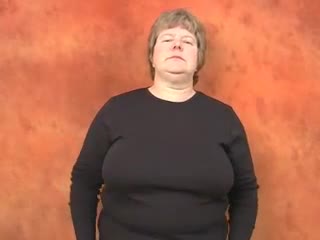
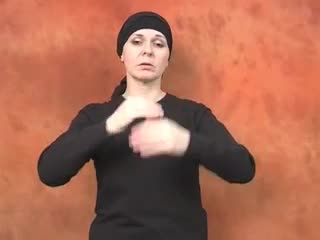
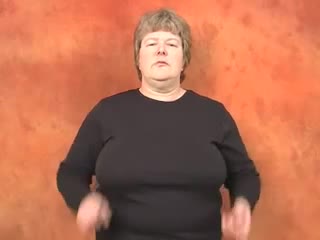
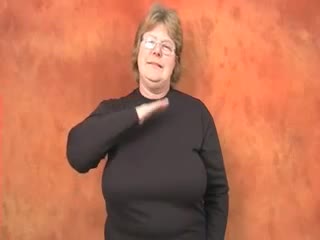
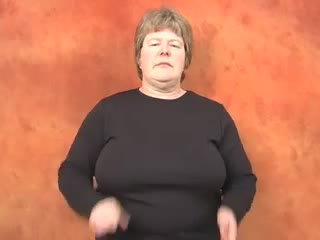
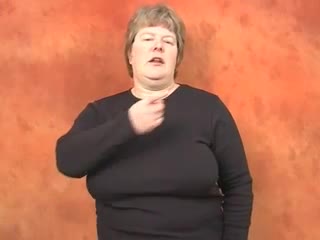
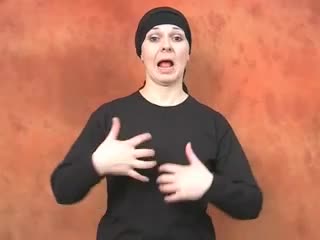
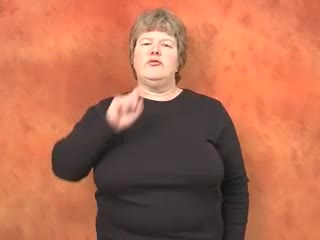
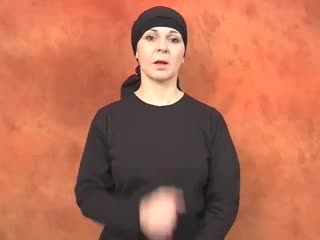
1.He is deaf. / BSL:HE DEAF | 2.Are you deaf? / BSL:YOU DEAF? | 3.I am deaf. / BSL:I DEAF
1.He is deaf. / BSL:HE DEAF | 2.Are you deaf? / BSL:YOU DEAF? | 3.I am deaf. / BSL:I DEAF
Create a free account to keep your watch history and review plan.
Unable to hear, either partially or completely
Save this sign
Build your personal BSL dictionary - free account lets you save signs, track progress, and earn XP.
Create free account Already have an account? Log in →Create a free account to save this sign, keep your watch history, and write unlimited journal notes - everything on SignDeaf is free.
How well do you know this sign?
Keep your streak going
Create a free account for unlimited reviews and to save your progress. Everything on SignDeaf is free.
Create free account Already have an account? Log in →Write memory tricks, usage examples, and cultural reminders beside each sign. Create a free account to keep unlimited notes on every sign - completely free.
Create free account Already have an account? Log inThe BSL sign for deaf is a foundational and direct way to identify someone as a deaf person or to describe a situation related to deafness. It's one of the first signs many learners encounter, and understanding its nuance sets a strong precedent for clear communication in BSL. The sign isn't just a label; it carries an inherent sense of identity within the Deaf community, often used with pride and clarity rather than as a descriptor of inability.
You'll notice its distinct two-part movement: a gentle touch to the ear, followed by a touch to the mouth. This sequence isn't arbitrary; it visually represents a connection to the primary senses involved in hearing and speaking. When you see this sign, it’s a straightforward statement, indicating a person who does not hear in the typical way, and who often uses BSL as their primary language for communication.
This sign is an adjective, fitting naturally into sentences where you might describe someone. Its tone is neutral and factual, making it suitable for a wide range of conversations, from introductions to discussions about access and culture. Getting comfortable with this sign is more than just learning a vocabulary item; it’s about embracing a core concept in the BSL-speaking world.
This sign feels most natural when you're directly referring to a person's deaf identity or describing a situation where deafness is the relevant characteristic. For instance, when introducing yourself and explaining why you're learning BSL – perhaps because you have a "deaf friend" – this sign fits perfectly. It's direct, respectful, and universally understood within the BSL community.
You'll find it comfortable to use in formal settings, like presentations about Deaf culture, as well as in informal chats among friends. It carries a neutral register, meaning it's appropriate for nearly any audience. There's no need to search for euphemisms; the sign itself is the standard and preferred term. Using it confidently demonstrates your respect for BSL and the Deaf community.
While this sign is robust, you might choose a more specific sign if the context calls for it, such as "hard of hearing" for someone with partial hearing loss. However, when the focus is on a person's complete deafness or their affiliation with the Deaf community, the BSL sign for deaf remains the most natural and appropriate choice. It's a statement of fact and identity, not a judgment or a deficit.
Many learners, after watching the video, might perform the sign with a slightly stiff or overly dramatic movement. The key is fluidity. It's not two separate, abrupt jabs at the ear and mouth. Instead, aim for a smooth, connected arc from the ear to the mouth, almost like tracing a gentle curve. The index finger should remain extended and firm, but the overall movement should feel relaxed and natural, not forced.
Another common oversight is the precision of the location. Ensure your extended index finger actually touches, however lightly, the earlobe area first, and then the corner of the mouth (or just beside it). Sometimes learners gesture *towards* these locations rather than making contact. That precise touch helps convey the sign's full meaning and ensures it’s clearly distinguishable from similar-looking signs that might use different points of contact or movement.
Finally, learners sometimes forget the accompanying facial expression. While the sign itself is neutral, a blank or overly serious face can make your signing feel impersonal. For "deaf," a neutral, open, or slightly curious expression is usually appropriate. If you're asking "Are you deaf?", your eyebrows might raise slightly, indicating a question. Remember, facial expressions are an integral part of BSL grammar and emotion, even for seemingly simple descriptive signs.
Think of the sign as a literal tracing of the primary organs involved in traditional communication – the ear for hearing, and the mouth for speaking. The extended index finger acts as a pointer, directly indicating these two points, linking them to the concept of not hearing and often not speaking in a typically hearing way. It's a clear, concise visual shorthand.
Sign for 'deaf' involves tracing a path from the ear to the mouth with an extended index finger, representing the auditory and oral aspects of communication
Sign 'My friend is deaf.' in BSL
Ensure your index finger touches the ear then the mouth clearly. Maintain G-handshape
Follow these steps to sign deaf correctly in British Sign Language (BSL):
Tip: Watch the video above while following these steps for best results.
Facial expressions and body language are grammatically essential in British Sign Language (BSL) - not optional!
Use these tiny checks right after watching the video. Fast feedback is what turns recognition into recall.
Pick one so SignDeaf can shape the rest of your session around how this sign actually feels.
One sign gets remembered faster when you attach it to real situations. Try these quick scene prompts.
Use this sign in a short workplace sentence or meeting exchange.
Try signing this while talking about family life or something at home.
Imagine teaching this sign to a classmate or using it in a lesson.
Practise it in a healthcare conversation where clarity matters.
Use it in a travel scenario like asking for help or directions.
1.He is deaf. / BSL:HE DEAF | 2.Are you deaf? / BSL:YOU DEAF? | 3.I am deaf. / BSL:I DEAF
Describing someone's hearing status or identity
If someone prefers a different term, e.g., 'hard of hearing'
Neutral
Capital D 'Deaf' refers to cultural identity, not just audiological status
Some minor variations exist but core movement is consistent
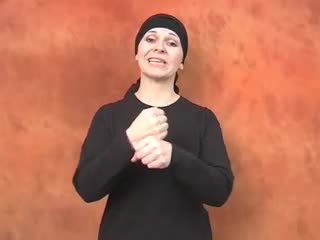
The color between blue and yellow in the spectrum
Compare with green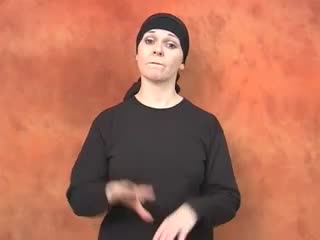
Not confined or restricted; available without cost
Compare with free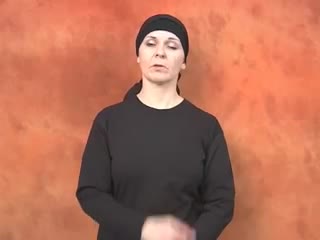
Truthful, sincere, trustworthy
Compare with honestOften accompanied by mouthing 'deaf' for clarity. Can be used as a noun
Common questions about the British Sign Language (BSL) sign for "deaf".
Keep building your British Sign Language (BSL) vocabulary - explore signs by category or browse the full dictionary.