What This Sign Means in BSL
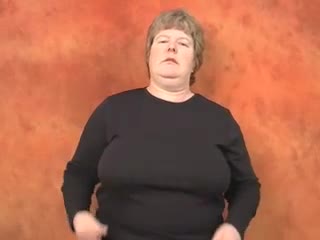
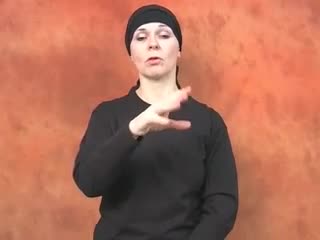
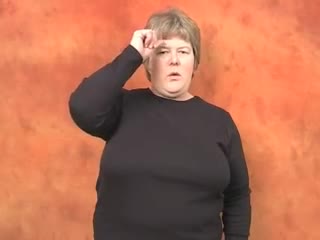
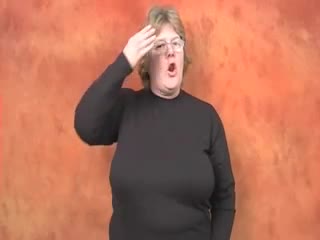
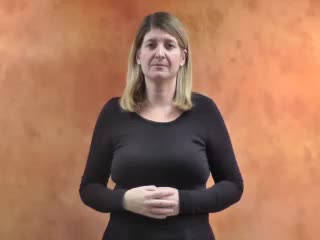
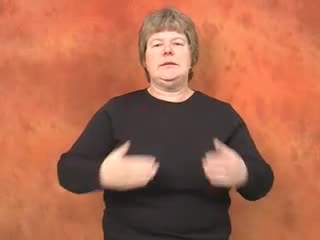
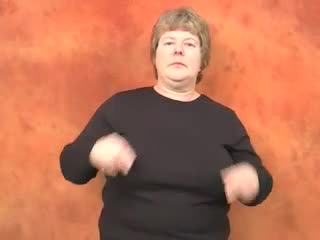
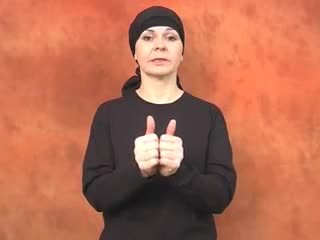
The BSL sign for ask is a wonderfully direct way to express the act of seeking information, permission, or a favour. At its heart, it’s about reaching out to someone with a query, wanting to draw an answer or a response back to yourself. It’s a versatile sign, used in countless everyday interactions, from simple questions to more significant requests. When you sign "ask," you're not just moving your hand; you're visually representing the desire to connect, to understand, and to receive.
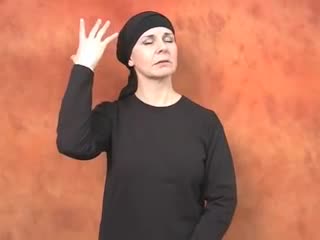
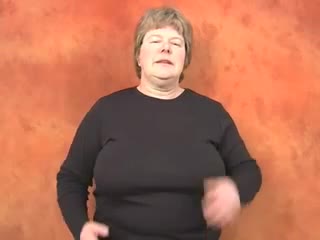
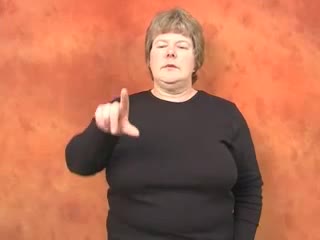
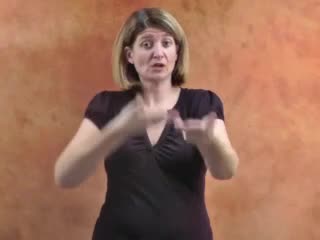
What makes this sign particularly expressive is its clear visual metaphor. The primary movement involves your index finger pointing forward, then hooking back towards your chest or shoulder. This isn't just a random gesture; it’s a subtle yet powerful representation of pulling an answer or a piece of information from the person you’re addressing, directly into your own understanding. It signifies an active engagement in seeking knowledge, rather than a passive wait for information to be offered.
You’ll find this sign feels very natural across a broad spectrum of communicative intents. Whether you're curious, seeking clarification, or making a polite request, the sign "ask" serves as a foundational verb. It embodies the human need to inquire, to learn, and to interact, establishing a clear intent to initiate a dialogue where information flows from one person to another. It's a cornerstone sign for any learner beginning their BSL journey, empowering them to initiate countless conversations.
When This Sign Feels Natural
This sign feels incredibly natural in any situation where you're genuinely seeking a verbal or signed response from another person. Think about asking for directions, inquiring about someone’s wellbeing, or simply posing a question in a conversation. It's your go-to sign for direct questions like "Can I ask you something?" or "Did you ask about the meeting?" It perfectly captures that moment of initiating an inquiry, whether it's a casual chat with a friend or a more formal interaction.
The BSL sign for ask is generally considered polite and appropriate for most social contexts, from informal gatherings with friends and family to more formal settings like a workplace meeting or a public service interaction. It conveys respect for the other person’s knowledge or their capacity to grant a request. You wouldn't typically use a different sign for "ask" based on formality alone; rather, the broader context and your accompanying facial expressions would fine-tune the tone of your inquiry.
However, there are times when you might naturally opt for a different sign, even if "ask" is part of the English equivalent. For instance, if you're not asking for specific information but rather making a strong plea or a formal application, signs like REQUEST or BEG might be more fitting. If you're simply musing or wondering aloud without directing a question to anyone, then WONDER or THINK would be more appropriate. The key is to remember that "ask" is about directly soliciting a response from another individual.
What Learners Usually Miss
One common subtlety learners often miss with the BSL sign for ask is the precise direction and completion of the movement. It’s not just a forward poke of the finger; the index finger needs to point forward, clearly indicating the person or source you’re asking, and then emphatically hook back towards your own body. Many learners either make the movement too small, too static, or incorrectly push the finger away, losing that crucial "drawing in" aspect of the answer. Ensure your finger clearly articulates both phases of the movement: the outward reach and the inward hook.
Another area where learners can improve is integrating appropriate facial expressions. The sign "ask" itself is neutral, but the type of asking-curious, hesitant, urgent, polite, or even challenging-is conveyed powerfully through your face. A furrowed brow might indicate confusion or a tricky question, while raised eyebrows could show curiosity or surprise. A neutral or flat expression can make your "ask" seem less engaging or even uninterested. Practice synchronizing your facial expressions with the intent behind your question; it adds immense depth and clarity to your communication.
Finally, learners sometimes overuse the sign "ask" in situations where BSL might naturally rephrase the sentence or use a different, more specific sign. For example, instead of "I asked if he would help me," BSL might flow more naturally as "HE HELP, ME? (sign for ask)" or even just "HE HELP, ME? (with a questioning facial expression)." Always consider if the core meaning is truly "to inquire" or if it’s more about a specific action or state of being. The sign "ask" is potent, but knowing when to let BSL’s natural structure take over will make your signing much more fluent and authentic.
A Simple Way to Remember It
Imagine your index finger is a tiny fishing hook, casting out to snag the answer you're seeking and then reeling it gently back in towards you. This visual helps solidify the two-part movement and its underlying meaning.
- The Hook: Your index finger literally forms a "hook" shape as it comes back, like you’re pulling information or a response directly towards yourself.
- Fishing for Answers: Picture yourself "fishing" for an answer. You cast your line (point forward), and when you get a bite (the answer), you reel it in (hook back).
- Direct Connection: The forward point establishes a direct connection with the person or source of information, and the backward hook signifies bringing that information into your own understanding.
Short Practice Situations
- Can I ask you a quick question about the train times?
- I need to ask for directions to the nearest chemist, please.
- They asked me if I would like to join their BSL club.
- Don't be afraid to ask for clarification if you don't understand something.
- She asked if the new coffee shop was open yet.
Signs to Learn Next
- QUESTION (noun): While "ask" is the verb, the sign for QUESTION (often an index finger drawing a question mark in the air or tapping the chin) represents the noun itself. Learning both helps you differentiate between asking an action and the question as an object.
- ANSWER: The natural counterpart to "ask." Learning ANSWER (two flat hands coming together) completes the communication loop, showing both the inquiry and the response.
- REQUEST (formal): This sign often involves drawing a box or a formal motion, used for more official or significant requests, like applying for a job or making a formal petition. It helps distinguish "ask" from more weighty solicitations.
- WONDER/THINK (curious): If you're contemplating something without directing an inquiry to anyone, WONDER (often a circular motion near the head) or THINK (index finger tapping temple) are more appropriate, showing internal processing rather than external inquiry.
- EXPLAIN: Often when you "ask" something, you're hoping for an explanation. The sign EXPLAIN (hands opening outwards from the chest) complements "ask" beautifully, as many questions lead to a need for clarification or detailed information.