What This Sign Means in BSL
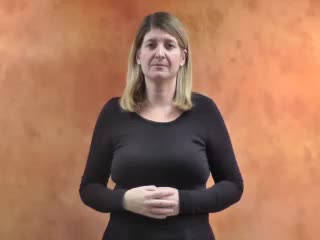
The BSL sign for forget is a beautifully expressive verb that captures the essence of memory slipping away. At its core, it means to lose the ability to recall something, whether it’s a fact, an event, a name, or an item. It’s a very common sign in everyday conversation, used to express anything from minor absentmindedness to a more significant lapse in memory.
Unlike a static sign, "forget" is dynamic, visually embodying the concept of something leaving your mind. The movement isn't just about the physical action; it's about the cognitive process of letting go or losing hold of information. This sign can carry various emotional tones depending on your facial expression and the context. You might sign it with a mild frown of annoyance for a forgotten appointment, or with a frustrated sigh when you can't find your keys.
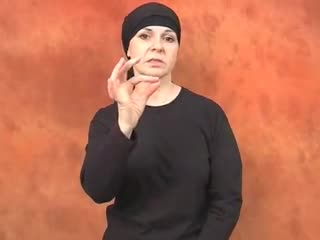
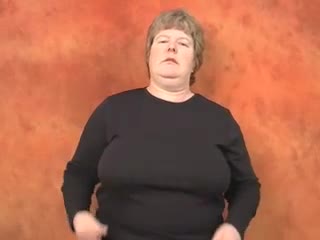
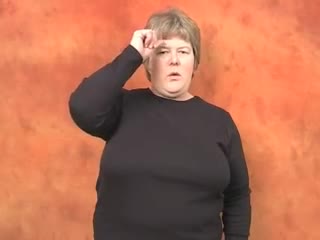
It’s a sign that connects directly to the brain's function, originating from the temple area – a universal symbol for thought and intellect. The transition from a closed hand to an open one, moving away, powerfully illustrates the idea of a thought or piece of information that was once contained, now dissipating and becoming inaccessible. This makes it intuitive and easy to recognise once you understand its visual logic.
When This Sign Feels Natural
You’ll find yourself using the sign for "forget" in countless everyday scenarios. It feels entirely natural when you're genuinely unable to recall something: "I forgot my umbrella," "I’ve forgotten his name," or "Did you forget about our meeting?" It’s a go-to sign for expressing a lapse in memory, whether it's an immediate oversight or something you simply can no longer bring to mind.
The sign is versatile across different registers. It works perfectly in casual chats with friends and family, but also holds its place in more formal discussions where you need to state that information has been lost or was never retained. For example, in a work meeting, you might sign, "I forgot to include that detail in the report," conveying a professional acknowledgment of an oversight.
While "forget" is broad, it’s useful to distinguish it from signs like DON'T KNOW or CAN'T REMEMBER. "Forget" often implies that the information *was* known but is now lost. DON'T KNOW suggests the information was never acquired in the first place, or you simply don't have that knowledge. CAN'T REMEMBER can imply a temporary block, an effort to recall that isn't quite successful, or a strong desire to retrieve the information. "Forget" can be more definitive – it’s gone.
What Learners Usually Miss
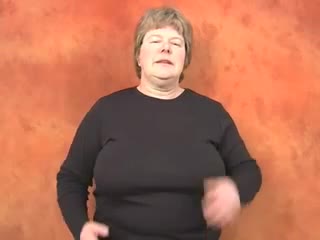
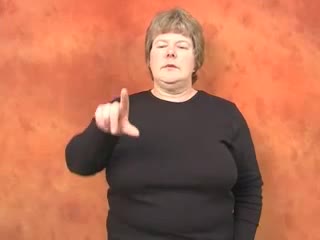
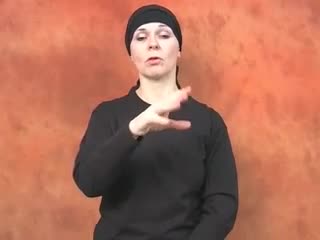
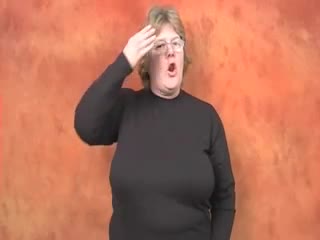
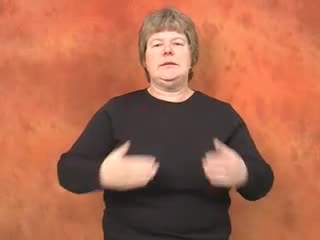
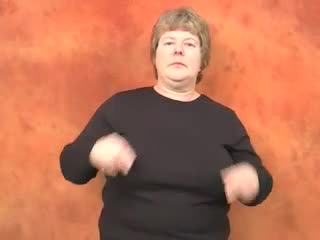
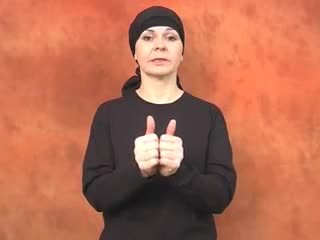
Many learners initially focus on just the handshape or the location, missing the crucial *dynamic* element of this sign. The key isn't just starting with a closed fist on the temple and ending with an open hand; it's the smooth, fluid movement *between* those two states. The hand should brush lightly across the temple/forehead as it transitions from closed to open, then move away naturally. Resist the urge to make it two distinct actions (closed-then-open-then-move); it's one continuous flow.
Another common oversight is the direction and finality of the movement. The hand doesn't just open; it opens *as it moves away* from the head. This outward motion is vital. It’s as if the thought or memory is literally detaching and floating away from your mind. If your hand opens but stays static on your temple, or moves inwards, it loses that core meaning of something being lost or gone. Ensure the movement is clear and definite, indicating the departure of the memory.
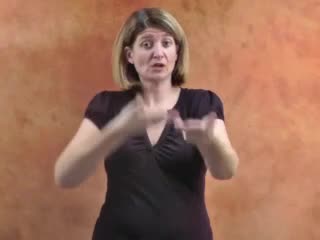
Finally, don't underestimate the power of non-manual features (NMFs), especially facial expression, with this sign. While the sign itself denotes the act of forgetting, your face tells *how* you feel about it. A slightly furrowed brow and a downward turn of the lips might express frustration or regret, whereas a lighter, more relaxed face could convey simple absentmindedness. Without an accompanying facial expression, the sign can appear flat and less communicative, missing the emotional nuance that BSL thrives on.
A Simple Way to Remember It
Think of your mind as holding thoughts and memories. When you forget something, it's like a thought you were holding onto suddenly slips away and vanishes. This sign perfectly illustrates that concept through its movement and handshape transition.
- The Temple Start: The sign begins on your temple, the place we associate with thinking and memory. It’s where your thoughts are held.
- The Opening Hand: Your dominant hand starts closed, as if holding a thought securely. As you move, it opens into a 5-hand, symbolising that the grip on that thought has loosened.
- The Drifting Away: The final movement is the open hand drifting slightly away from your head. This visually represents the thought or memory floating off, no longer accessible in your mind.
Short Practice Situations
- "I always forget to turn off the lights when I leave the room."
- "Oh no, I've completely forgotten where I parked the car!"
- "She was supposed to bring the cake, but I think she might have forgotten."
- "It’s easy to forget minor details when you’re really busy."
- "Please don't forget to send me that email later."
Signs to Learn Next
- REMEMBER: This is the natural opposite of "forget." Learning both together helps to solidify the concept of memory retention and loss, often involving a similar handshape but with a different motion and direction.
- DON'T KNOW: While "forget" means losing previously known information, "don't know" indicates a lack of knowledge in the first place. Understanding the distinction is crucial for accurate communication.
- CAN'T REMEMBER: This sign often implies a temporary mental block or an active struggle to recall something, rather than a complete loss like "forget." It’s often paired with a questioning or frustrated facial expression.
- MIND/BRAIN: The location of "forget" is the temple/forehead, linking directly to the concept of the mind or brain. Learning the sign for "mind" can reinforce this connection to cognitive processes.