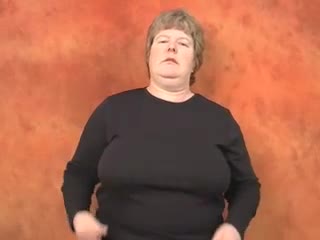
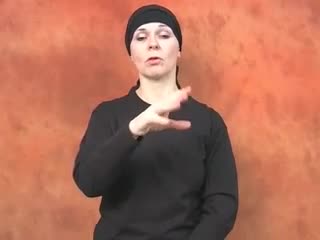
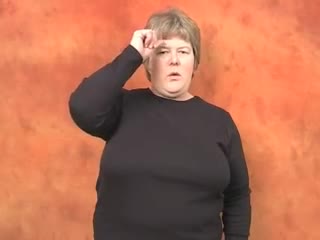
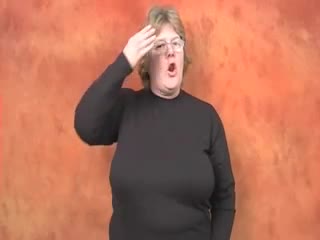
What This Sign Means in BSL
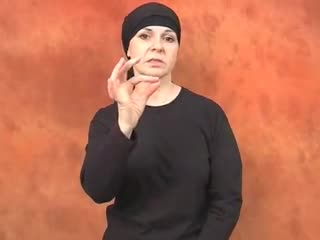
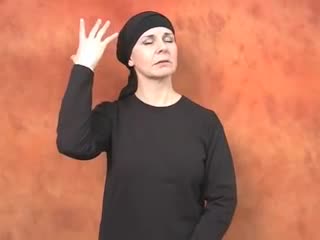
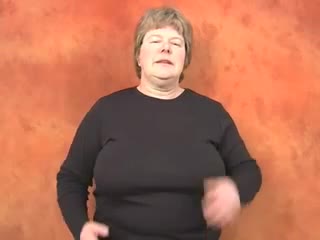
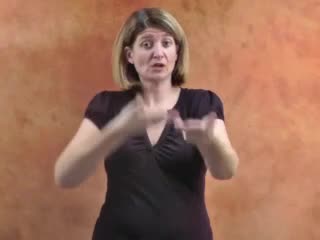
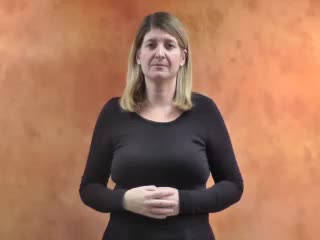
The BSL sign for take is a foundational verb that directly represents the action of grasping and moving an object. It’s a wonderfully iconic sign, meaning it looks very much like the action it describes. At its core, it conveys the idea of acquiring, picking up, or removing something from a location and bringing it towards oneself or another designated point.
This sign is incredibly versatile for its literal meaning. Whether you're talking about taking a book off a shelf, taking a plate from the table, or taking a pencil from someone's hand, the visual metaphor remains consistent. It’s active and direct, making it a clear and unambiguous way to communicate this common everyday action in BSL.
One of the beauties of this sign is its inherent flexibility in direction. While the basic movement is often towards the signer, it can be subtly adjusted to show taking something from one place to another, or even taking something *from* someone else. This dynamic quality allows for nuanced communication without needing entirely different signs for every slight variation in the 'taking' action.
When This Sign Feels Natural
You’ll find the BSL sign for take feels most natural when referring to the physical act of moving an object into your possession or control. Think about practical, tangible scenarios: "I'll take the shopping bag," "Please take your coat," or "He took the last slice of cake." It's perfectly suited for these kinds of direct, object-oriented interactions.
While primarily physical, the sign can subtly extend to certain less tangible concepts where the underlying action is still about 'acquiring' or 'removing'. For example, if you're taking an item from a selection or claiming something as your own, the sign fits well. It’s generally a neutral sign in terms of register, appropriate for most conversations, whether informal chats or more structured discussions.
However, it's important to understand when to choose a different sign. For actions like "receive" (where something is given to you), "collect" (often implying gathering multiple items or a specific process), "grab" (taking something suddenly or forcefully), or "steal" (taking something unlawfully), BSL has distinct signs. The sign for take generally implies a deliberate, often permissible, transfer or acquisition, rather than a passive reception or an aggressive snatch.
What Learners Usually Miss
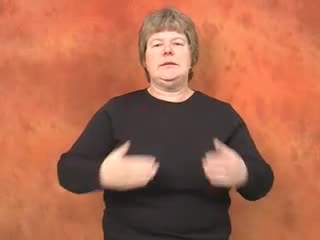
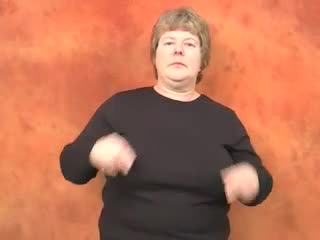
One of the most common oversights learners make with the sign for take is neglecting its crucial directionality. The movement isn't just a generic forward-and-back action; it almost always has a specific arc. You should visualise reaching towards the object's location, closing your hand around it, and then pulling it back towards the intended recipient or your own space. Failing to show this clear direction can make the sign less clear or even imply a different action, such as putting something down.
Another subtle point often missed is the precise handshape. The "flat O-handshape" is vital – it's not a closed fist, nor is it a fully open flat hand. It’s a subtly curved, ready-to-grasp shape, as if your fingers and thumb are poised to gently but firmly encompass an object. This precision in handshape signals readiness and control, conveying that you're about to make contact and take hold, rather than just pointing or waving.
Finally, learners sometimes overlook the potential for subtle contextual nuance through movement and facial expression. While the base sign is neutral, the speed and accompanying facial expression can add layers of meaning. A slow, gentle movement might suggest careful handling, while a quicker, sharper action could imply urgency or even a hint of taking something reluctantly. Practising these subtle variations will help you convey not just *what* is taken, but *how* it's taken.
A Simple Way to Remember It
To easily remember the BSL sign for take, think of your hand as a highly expressive tool that literally enacts the process of acquiring. It's a mimetic sign that tells a mini-story of reaching out, grasping, and possessing.
- Your dominant hand forms a waiting grip, like a claw poised to pick something up. It's not fully open, not tightly closed, but perfectly ready to take.
- The movement is a clear arc: you reach out to an imaginary object, your fingers and thumb close as if around it, and then you pull it back towards yourself, mirroring the physical act of taking something into your possession.
- Visualise yourself physically taking an everyday object – a phone, a cup, a pen. The natural motion your hand makes is precisely what this sign embodies, making it intuitive and easy to recall.
Short Practice Situations
- Imagine you're at a café: "I will take the coffee, please."
- Someone offers you a choice: "No thanks, I'll take the other one."
- You're helping clear the table: "I can take these empty plates to the kitchen."
- Warning a child about shared toys: "Remember, don't take your brother's teddy without asking."
- Preparing to leave: "I need to take my keys and my wallet before we go."
Signs to Learn Next
- GIVE: This is the natural opposite of "take." Practising them together helps solidify the concept of transfer and exchange between people, making your signing flow more naturally in conversation.
- RECEIVE: While you actively "take" something, you "receive" something that is offered or given to you. Understanding the difference in agency – who initiates the action – is key to precise communication.
- GRAB: This sign involves taking something quickly, suddenly, or even forcefully, providing a useful contrast to the more neutral "take." It helps you appreciate how movement variations can change a sign's meaning significantly.
- STEAL: A specific and illicit form of "taking" without permission. Learning this sign will highlight the importance of context and intent, distinguishing unlawful actions from general acquisition.
- BRING: If you "take" something and move it towards a specific destination, you are often also "bringing" it there. This sign expands on the idea of transporting objects and helps you connect actions of movement.