What This Sign Means in BSL
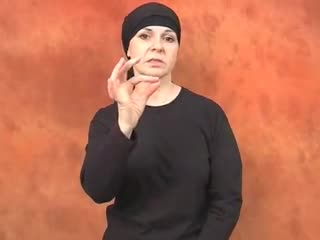
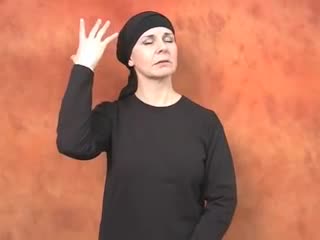
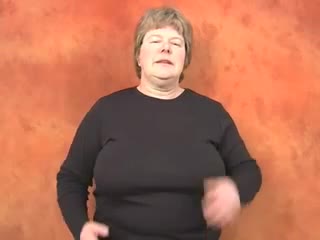
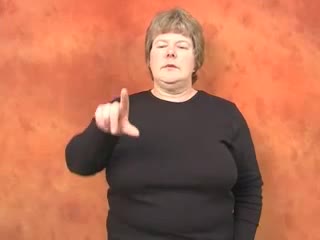
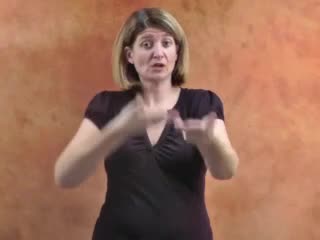
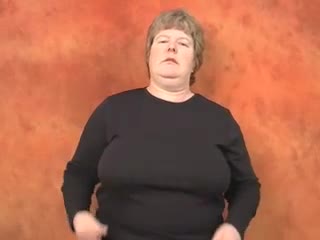
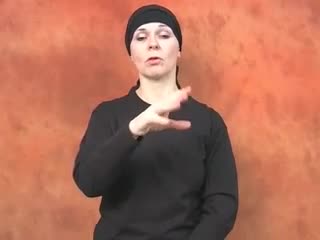
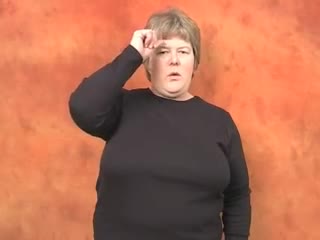
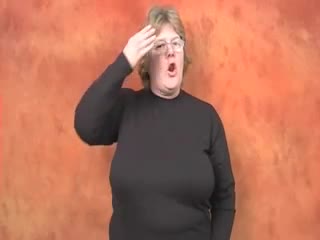
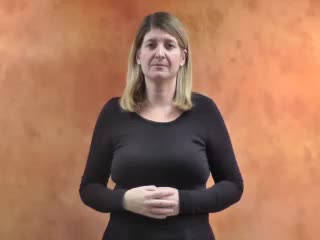
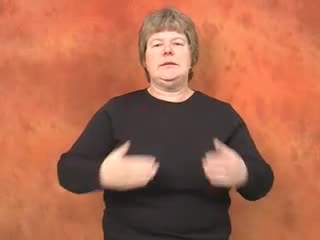
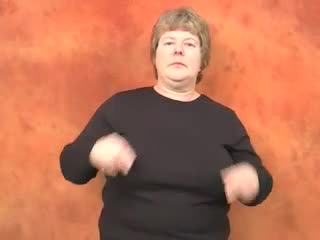
The BSL sign for agree is a wonderfully direct and clear way to express your consent, concurrence, or shared opinion. It's not just about saying 'yes'; it’s about affirming that your thoughts, feelings, or intentions align with what’s being proposed or stated. Think of it as actively putting your 'seal of approval' or your 'nod of assent' into a physical gesture.
This sign carries an inherent tone of affirmation. When you use it, you're conveying a positive alignment. While your facial expression can add nuance – perhaps a firm, enthusiastic agreement, or a more considered, gentle one – the core sign itself is about unity in thought or plan. It’s a foundational sign for effective communication in BSL, allowing conversations to progress smoothly as participants confirm their shared understanding or commitment.
What makes this sign particularly effective is its decisive movement. It’s not a wishy-washy gesture; it's a clear, forward motion that visually represents moving forward together, or pushing your agreement out into the conversation. This visual clarity helps prevent ambiguity, making it a powerful tool for building consensus.
When This Sign Feels Natural
You'll find yourself reaching for the BSL sign for agree in a wide range of everyday conversations. It feels perfectly natural when you're discussing plans with friends and confirming a meeting time, or when you're in a more formal setting, perhaps at a meeting, and you want to signal your support for a proposal. It’s the go-to sign when someone asks, "Do you agree with me?" or "Shall we do X?" and your answer is a resounding 'yes, I concur'.
This sign is incredibly versatile across different registers. It works just as well in casual chats over a cup of tea as it does in a serious discussion about community initiatives. The key is that it always implies an active mental or emotional alignment, a conscious decision to be in favour. It's about shared understanding and mutual acceptance of an idea, plan, or statement.
However, it’s useful to know when you might opt for a different sign. If you’re simply acknowledging something without necessarily agreeing with its content – like "I hear you" – you'd use a different expression. Similarly, if you're "accepting" something physical, like a gift or an apology, the sign for 'accept' (which has a different movement and handshape) would be more appropriate. The sign for agree is specifically about shared opinions, ideas, or approval of a course of action, rather than passively receiving something.
What Learners Usually Miss
One of the most common oversights learners make with the sign for agree is failing to execute the crucial forward movement. It's not just about holding your dominant hand flat at chest level; the essence of the sign is the single, decisive push forward. Imagine literally projecting your agreement outwards. Without this movement, the sign can look incomplete, or even be mistaken for another sign with a similar handshape but static position.
Another subtle point often missed is the rhythm and decisive nature of the movement. It should be a confident, singular push, not a hesitant or repeated bob. A slow, uncertain movement can imply reluctance or confusion, rather than clear agreement. Practise making that forward motion sharp and direct, reflecting a confident affirmation of what's being discussed. The sign gains its strength and clarity from this focused action.
Finally, learners sometimes forget the vital role of facial expression. While the hand movement conveys the 'agree' concept, your face adds the emotional layer. A neutral face might make your agreement seem indifferent. A slight nod and positive, engaged expression will powerfully reinforce enthusiastic agreement. Conversely, a furrowed brow or a hesitant look can subtly communicate a reluctant or conditional agreement, adding a rich layer of nuance that a bare hand sign alone cannot achieve. Always remember that BSL is a full-body language, and your face is just as important as your hands.
A Simple Way to Remember It
To really embed the sign for agree in your memory, think of it as literally pushing your positive affirmation out into the world. Your hand isn't just sitting there; it's actively contributing your "yes" to the conversation.
-
Pushing Your "Yes": Imagine your flat hand is carrying your agreement, and you're gently but firmly pushing that "yes" from your chest forward, offering it to the other person or the group.
-
Clear Slate, Clear Agreement: Your dominant hand is flat and open, like a clean slate ready to accept and agree. The clear, open handshape reinforces the idea of straightforward, unambiguous agreement.
-
Heartfelt Consensus: The movement starting from your chest suggests that this agreement comes from a place of genuine conviction or shared understanding, rather than just a superficial nod.
Short Practice Situations
- Imagine your friend asks, "Shall we meet for coffee at 10 AM tomorrow?" You can sign "agree" to confirm the time.
- In a team discussion, someone suggests, "I think we should focus on marketing first." If you concur, use the sign for "agree."
- Your family is deciding on a holiday destination. After hearing the options, you might sign "agree" when a particular choice feels right to you.
- A colleague shares a new idea for a project. You listen intently and then sign "agree" to show your support and understanding.
- Someone asks, "Do you agree that the weather has been unusually warm lately?" You can use the sign to confirm your shared observation.
Signs to Learn Next
-
YES: While often used interchangeably, "yes" is a more general affirmation, whereas "agree" specifically denotes shared opinion or consent. Understanding both helps you choose the most precise response.
-
DISAGREE: Learning the direct opposite will solidify your understanding of how BSL expresses differing opinions. It often involves a similar handshape but with a different, usually opposing, movement.
-
ACCEPT: This sign is sometimes confused with "agree." "Accept" implies receiving or taking something, whether it's an object, a responsibility, or an apology. It helps to differentiate active consent from passive reception.
-
UNDERSTAND: You often need to understand something fully before you can truly agree with it. Learning this sign will naturally precede "agree" in many conversational flows, building logical sequence in your signing.
-
SAME: When you agree with someone because your thoughts or experiences are exactly alike, the sign for "same" can be a powerful reinforcement, showing a deeper level of shared perspective than just agreement alone.