What This Sign Means in BSL
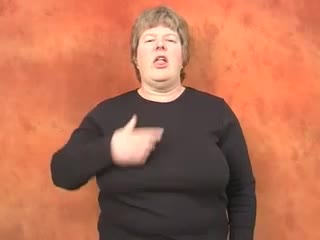
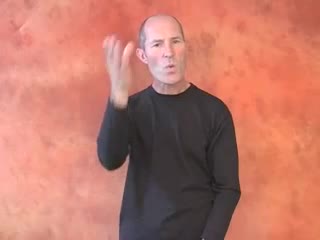
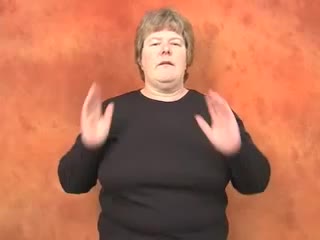
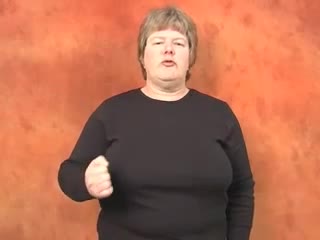
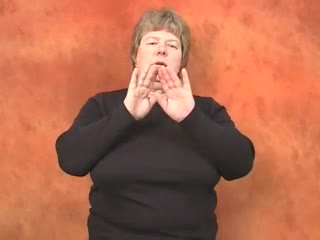
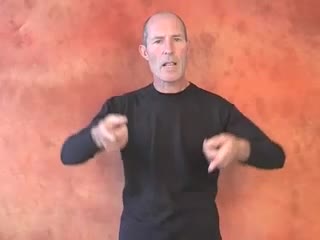
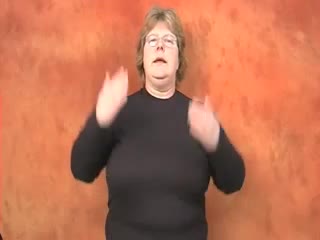
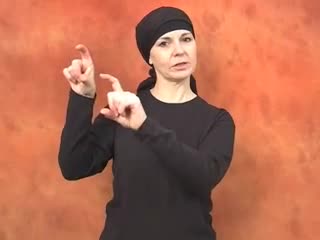
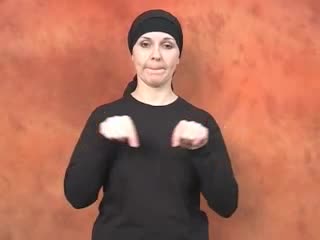
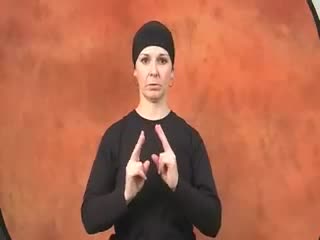
The BSL sign for programme captures the essence of a planned sequence of events, a scheduled broadcast, or a detailed agenda. It’s a versatile sign that communicates the unfolding of a structured series of items, whether you’re talking about what’s on TV tonight, the order of events at a conference, or the rundown for a stage performance. The two ‘P’ handshapes moving forward suggest a logical progression, like pages turning in a schedule or items being presented one after another.
This sign is primarily a noun, referring to the programme itself – the list, the schedule, or the broadcast. Its clear, symmetrical form makes it easy to recognise and remember, immediately conveying the idea of something prepared and laid out in advance. When you use this sign, you're not just indicating a general 'show' or 'plan', but specifically a pre-arranged structure of activities or content.
Think of it as the framework that organises time and content. It's a foundational sign for discussing various organised activities in daily life, from educational settings to entertainment. The sign's movement implies a presentation or reveal of this structure, making it feel dynamic despite representing something often static on paper.
When This Sign Feels Natural
You’ll find yourself naturally using the BSL sign for programme in a wide array of everyday conversations. It fits perfectly when discussing television schedules, such as "What’s on the *programme* tonight?" or "I enjoyed that nature *programme*." It’s also the go-to sign for event agendas, like "Let’s check the *programme* for the festival" or "The meeting *programme* starts at 9 AM." Its clarity makes it suitable for formal contexts like business meetings or public events, as well as informal chats about leisure.
While "programme" is broad, it’s important to recognise when a more specific sign might be a better fit. If you're talking about a personal intention or a general strategic approach, the sign for
PLAN might be more appropriate. If you're referring to a particular performance or theatrical presentation, signs like
SHOW or
PERFORMANCE could add more specific nuance. However, if the focus is on the *structured order* of items within that show or plan, then "programme" remains the strongest choice.
Consider your audience and the context. When you want to convey that something has been thoughtfully organised and is ready to be presented or followed, "programme" is precise and effective. It denotes a degree of formality and pre-planning that differentiates it from a spontaneous event or a simple idea. It’s the sign you’d use for a published itinerary, a broadcast listing, or an official sequence of activities.
What Learners Usually Miss
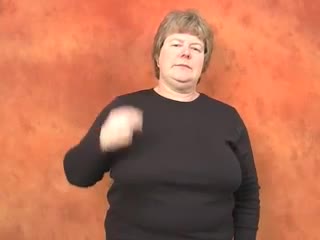
Many learners initially grasp the P-handshape but sometimes miss the precise nature of the movement and its rhythm. It’s not just two P-hands flailing; there’s a controlled, deliberate motion. The hands should move forward and *slightly downward* from the chest, maintaining their P-shape throughout. A common mistake is to move the hands too horizontally or too vertically, losing the sense of something unfolding and being presented. The movement should be smooth and symmetrical, with both hands moving in unison, not one leading the other.
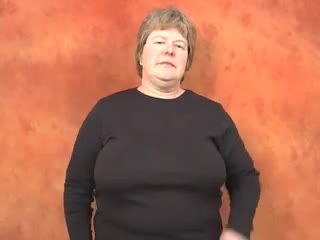
Another subtle but significant aspect often overlooked is the subtle facial expression and the ending position. While the sign itself is neutral, the context dictates the non-manual features. If you're excitedly asking about a TV programme, your face should reflect that enthusiasm. For a formal meeting programme, a neutral or focused expression is more fitting. The hands should finish their movement with a slight pause, reinforcing the idea of a completed or presented schedule. Avoid a jerky or abrupt stop; the flow should be natural and comfortable.
Finally, learners might occasionally overuse "programme" when a more specific sign is available. For instance, while a school lesson plan could be considered a "programme," if you specifically mean the *curriculum* or *timetable*, those signs might offer greater precision. The key is to remember that "programme" implies a structured sequence, and ensuring your movement and non-manual features align with this meaning will elevate your signing from merely understandable to truly natural and fluent.
A Simple Way to Remember It
To help you remember the BSL sign for programme, connect its distinct form and movement to its meaning. The core visual elements are very helpful for creating strong memory hooks that reinforce the concept of a structured schedule.
- "P" for Programme: The most obvious hook! Both hands clearly form the letter 'P' (thumb resting on the middle finger), directly linking the sign's form to the word it represents.
- Unfolding the Plan: Imagine the two P-hands moving forward and slightly down as if you are gently revealing or laying out a detailed plan, a schedule, or the pages of a booklet containing the programme. It suggests bringing an organised sequence into view.
- Symmetrical Structure: The fact that both hands move identically and symmetrically reinforces the idea of a balanced, well-organised, and structured sequence. A programme isn't chaotic; it has a clear beginning, middle, and end, much like the two hands moving together.
Short Practice Situations
- "What's the television programme schedule for tonight?"
- "Did you check the conference programme to see when the main speaker is on?"
- "I need to write out the full programme for the school's annual awards ceremony."
- "The theatre programme listed all the actors and the order of the acts."
- "We watched a really interesting documentary programme about space exploration last night."
Signs to Learn Next
- PLAN: While "programme" is about a structured schedule, "plan" often refers to an intention, a strategy, or a less formal outline. Learning both helps you distinguish between a fixed sequence and a broader idea or objective.
- SCHEDULE: This sign is very close in meaning and can sometimes be used interchangeably, especially for rigid timetables. Understanding the slight nuances helps you choose the most precise sign for your context, often "schedule" implying a more strict time-based arrangement.
- EVENT: A programme is often made up of several "events." Learning this sign allows you to talk about the individual components that collectively form a larger programme, or to discuss single occurrences.
- TELEVISION / TV: Many programmes are watched on "television." This sign naturally connects as a common context for using the sign for "programme," especially when discussing broadcast content.
- SHOW / PERFORMANCE: These signs refer to specific types of programmes, particularly in entertainment. If you're discussing a play, concert, or variety show, these signs can be used in conjunction with or instead of "programme" for added specificity.