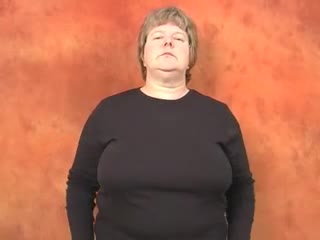
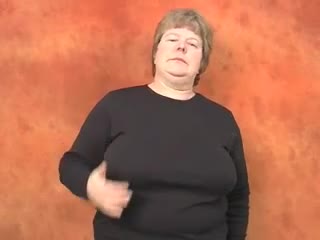
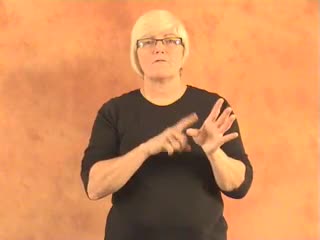
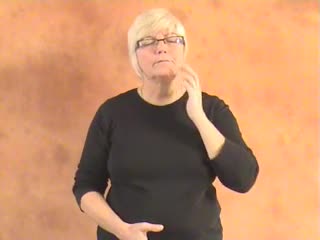
What This Sign Means in BSL
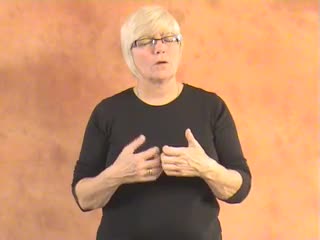
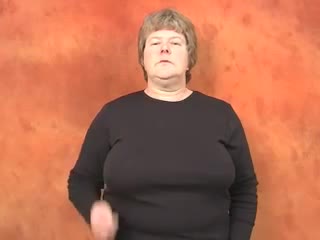
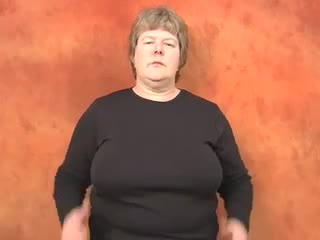
The BSL sign for "why" is a fundamental interrogative, asking for the reason, cause, or motivation behind something. It's your go-to sign when you're seeking an explanation, trying to understand an action, or simply curious about a decision. It clearly communicates a desire to uncover the underlying truth, whether you're asking about an event, a feeling, or a choice someone has made.
More than just a direct question, this sign often carries an inherent tone of inquiry that can range from genuine curiosity to gentle concern, or even a hint of polite challenge, depending heavily on your accompanying facial expression. It's a sign that opens up dialogue, inviting the other person to share their perspective and reasoning. You're not just asking for information; you're often seeking a deeper connection or clarification.
What makes this sign particularly noticeable is its distinct movement originating from the chin area. It’s a very common sign that you’ll encounter early and often in BSL conversations, making it one of the cornerstones of expressing inquisitive thought. Mastering its precise execution is crucial for clear and effective communication, as it’s rarely substituted by other signs when the core meaning of "why" is intended.
When This Sign Feels Natural
This sign feels most natural in everyday situations where you're genuinely seeking an explanation for something unexpected or unclear. Imagine your friend suddenly cancels plans, or a colleague arrives late. In these scenarios, signing "why" is the most direct and common way to ask for their reason. It fits comfortably into both casual chats and more formal discussions, making it incredibly versatile across different social contexts.
You'll find yourself using "why" whenever you encounter a situation that sparks your curiosity or requires further context. It works well when discussing current events, personal decisions, or even abstract concepts where understanding the rationale is key. Think about asking "Why did that happen?" after hearing news, or "Why do you prefer that?" when discussing tastes or opinions. It’s a sign that naturally precedes an explanation.
While this is the primary sign for "why", consider if you're truly asking for a reason or perhaps a different type of information. If you're expressing surprise or disbelief, sometimes other signs like a specific facial expression combined with "HOW" (as in, "How could that happen?") might convey the nuance better. However, for a straightforward query about motivation or cause, the BSL sign for "why" remains the most appropriate and widely understood choice.
What Learners Usually Miss
One of the most common oversights for learners when performing the BSL sign for "why" is neglecting the crucial non-manual features, particularly facial expression. Without a questioning face – typically a slight frown, raised eyebrows, or a quizzical look – the sign can appear flat or even like a random gesture. The interrogative force of "why" is heavily amplified by your expression; it tells the viewer you're genuinely asking a question, not just performing a movement.
Another subtle but important detail often missed is the precise quality of the movement. The sign isn't a slow sweep or a forceful push; it's a relatively quick, light flick forward and slightly outward from the chin. Some learners might make the movement too large or too small, or their index finger might not be clearly extended, making the sign less distinct. Ensure your index finger is clearly isolated and the flick is decisive yet not aggressive.
Learners sometimes also misjudge the placement or timing within a BSL sentence structure. While "why" can sometimes initiate a question, it very often comes towards the end of a BSL sentence, following the topic. For example, "YOUR LATE, WHY?" rather than "WHY YOUR LATE?". Getting this word order right, alongside the correct non-manuals, makes your question much clearer and more natural within BSL grammar.
A Simple Way to Remember It
Think of the sign for "why" as your index finger reaching out from your chin, the area often associated with thought and internal reflection, to gently "poke" or "flick" at the world, trying to uncover the hidden reason or truth behind something. It's like your inner curiosity is physically extending to grasp an answer.
- Imagine your brain (represented by the chin area) literally flicking out a question, trying to catch an explanation.
- Picture a curious child repeatedly pointing and asking "Why? Why? Why?" – the index finger is the key.
- Connect it to the idea of gently prying or probing a situation to reveal its underlying cause.
Short Practice Situations
- You notice a friend has suddenly cut their hair very short. You can sign "YOUR HAIR SHORT, WHY?" with a curious expression to ask for their reason.
- Your colleague usually eats lunch at their desk, but today they're going out. You might sign "LUNCH OUT, WHY?" to understand the change in routine.
- You're watching a sports match and a referee makes a controversial call. You turn to your viewing partner and sign "REFEREE DO THAT, WHY?" to express your confusion.
- Someone sends you an unexpected gift. You sign "GIFT FOR ME? WHY?" with a surprised and grateful look.
- You hear a loud noise outside your window. You might sign "NOISE, WHY?" while looking towards the sound, seeking an explanation.
Signs to Learn Next
- WHAT: While "why" asks for a reason, "what" asks for specific information about a thing or action. Learning these two together helps you form a wide range of basic questions.
- BECAUSE: This is the natural conversational partner to "why." Once you've asked "why," the answer will often use "because," making them essential for cause-and-effect discussions.
- HOW: This sign asks about the process or manner of something. Sometimes, in English, "how" can carry a similar tone to "why" (e.g., "How could that happen?"), so understanding both expands your questioning vocabulary.
- REASON: This sign can be used in conjunction with "why" for emphasis, or as part of a more formal inquiry like "WHAT REASON?" It helps clarify that you're specifically seeking the motive.
- QUESTION: The general sign for "question" helps reinforce the idea of asking, and understanding its use can help frame any specific interrogative like "why" within a broader conversational context.