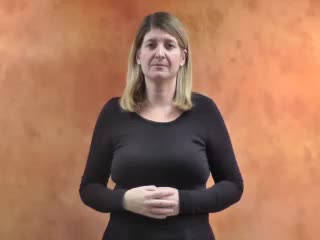
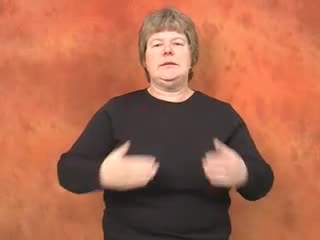
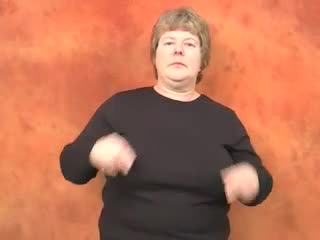
Speed
0
Practice reps times watched

Create a free account to keep your watch history and review plan.

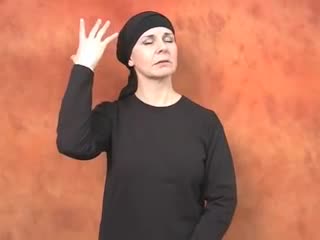
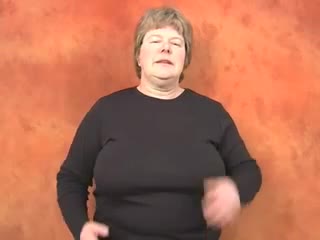
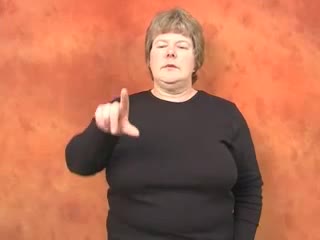
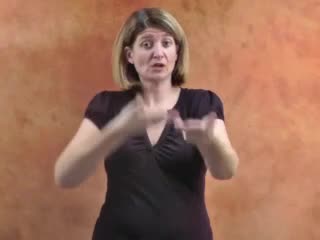
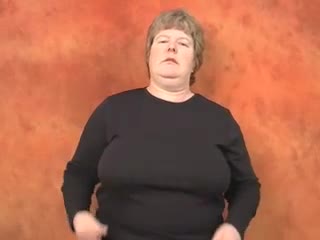
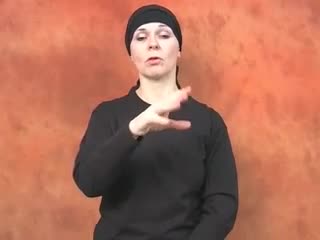
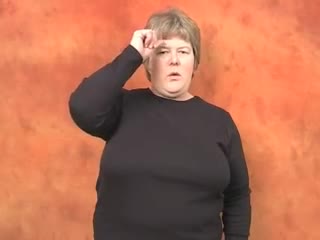
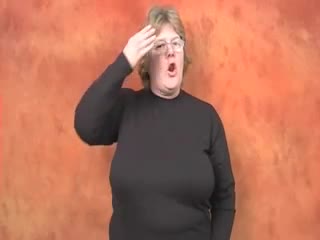
Best practice Use mirror mode, then watch the frame breakdown below to catch the start, movement, and finish cleanly.
Video via SpreadTheSign  - Free educational resource BSL
Updated April 26, 2026
British Sign Language (BSL) 🟢 Beginner 📊 B1 ⚡ Common Verb

interrupt

To stop someone speaking or doing something

Source-linked video Step-by-step guide Context and safety notes
Synonyms
Distract stop cut in
Antonyms
Continue allow listen
Difficulty
Not rated yet

Create a free account to save this sign, keep your watch history, and unlock a one-note journal preview.

How to sign it
Handshape
Dominant hand, flat, fingers together, thumb alongside
Location
Neutral signing space in front of the body
Movement
Sharp, short, linear chopping motion
Palm Orientation
Palm down or slightly forward/down
Facial Expression
Slight head movement or direct eye gaze may accompany it
🔁 Spaced Review Try it free

How well do you know this sign?

INTERRUPT
Your Progress Live
🌱
Level 1 · BSL Beginner +0 XP today
This sign Not learned yet
0 watches
Mastery 0%
Confidence
How well do you know this sign?
0 🔥 Streak
0 Signs seen
0 Learned
0 Watches
📖 Vocabulary health 🔒 Log in to see score
0 Mastered
0 Confident
0 Practicing
0 Just seen

Create a free account to keep your vocabulary score between sessions

7-day activity 0 of 7 active

Register free to sync activity across devices

Watch signs to see your history here

Tracking locally for now. Create a free account to save your progress and sync across devices.
Free gets you started. Paid adds the repeat-learning layer: review queues, deeper notes, compare mode, and better comeback tools.
My Sign Journal
Personal notes, saved to your account forever
Locked

Write memory tricks, usage examples, and cultural reminders beside each sign. Create a free account to unlock your first saved note preview on this page.

Create free account Already have an account? Log in

What This Sign Means in BSL

The BSL sign for interrupt is a wonderfully direct way to express the action of breaking into an ongoing conversation, activity, or thought process. It clearly signifies a cessation or pause that's not naturally occurring, but rather imposed from an external source – often by the signer themselves. Think of it as putting a sudden, intentional stop to something that was flowing or continuing.

This sign isn't just about stopping; it carries the nuance of interruption. It implies that something was in progress, and now it isn't, because of a deliberate action. The sharp, decisive movement of the hand conveys this immediate and often abrupt nature, making it clear that a break has occurred in the flow of events or communication.

What makes this sign so noticeable and effective is its visual representation of cutting or chopping through an invisible line. It's a pragmatic sign that gets straight to the point, leaving little room for ambiguity about the action being described. It’s a tool for managing communication and action, whether politely or firmly.

When This Sign Feels Natural

You’ll find this sign feels most natural when you genuinely need to break into someone's speaking turn, or when you observe someone else doing so. For instance, if a conversation is moving quickly, and you have an urgent point to make, or you need to correct a misunderstanding, this sign is your go-to. It's not just for rude interruptions; it can be used with appropriate facial expression to convey an apologetic or necessary break.

Beyond conversations, this sign is also effective when describing the halting of an ongoing activity. Imagine someone working on a task, and you need to stop them for a moment – perhaps they're about to make a mistake, or you have new instructions. You could sign "interrupt" to describe that moment of intervention, stopping their progress in its tracks.

However, it’s important to understand when a different sign might be more appropriate. If you simply mean "excuse me" to get someone's attention without necessarily stopping their current flow, a different non-manual signal or a specific "excuse me" sign might be better. Similarly, if you're talking about a general disturbance, like loud noise disturbing the peace, you'd likely opt for a sign like disturb rather than the sharp, direct action of interrupt.

What Learners Usually Miss

Many learners initially miss the subtle yet crucial distinction between the BSL sign for interrupt and a general sign for stop. While both involve ceasing an action, interrupt specifically implies breaking into something that is already in progress, often with an element of unexpectedness or imposition. The movement isn't just a simple halt; it's a linear, chopping motion that suggests slicing through an ongoing line of action or thought, rather than a general, all-encompassing stop.

The non-manual features (NMFs), particularly your facial expression, are absolutely vital with this sign. A learner might sign "interrupt" with a neutral face, but this can easily be misinterpreted. To convey an apologetic interruption, you'd pair the sign with a soft, apologetic expression. For a firm or urgent interruption, your face would show that determination or urgency. Without these NMFs, the sign for interrupt can come across as blunt or even rude, missing the necessary social nuance.

Another common oversight is the precise timing and direction. This sign is typically directed towards the imagined flow or the person being interrupted. It's not a general action in neutral space; it's an action towards something or someone. The sharp, short motion should be timed to coincide with the moment the interruption occurs, not as a drawn-out or hesitant movement. A slow or soft movement diminishes the core meaning of abrupt intervention.

A Simple Way to Remember It

To really cement the BSL sign for interrupt in your memory, think of your dominant hand as a sharp edge, like a knife or a karate chop, that’s decisively cutting through an invisible line or stream. This line represents the flow of conversation, an activity, or a thought process. The flat hand, with fingers together, reinforces this idea of a singular, clean break.

  • Visualise the "Cut": Imagine you're physically chopping or slicing through a thread of speech or an ongoing action. The sharp movement makes that cut.
  • The "Breaking Barrier": Think of your flat hand as a sudden, temporary barrier or wall that quickly and directly comes down to divide or stop something that was continuous.
  • "Chopping into Conversation": Connect the action directly to the common English idiom "to chop into a conversation" – the sign visually mirrors this idea of breaking in abruptly.

Short Practice Situations

  • Your friend is telling a very long story, and you need to sign "interrupt" to gently remind them of the time.
  • You see someone about to make a mistake in BSL, so you sign "interrupt" to get their attention before they continue.
  • In a group discussion, you have an urgent piece of information, so you use the sign "interrupt" to indicate you need to speak.
  • Describe a situation where a child kept signing "interrupt" while the adults were trying to have a conversation.

Signs to Learn Next

  • STOP: While similar in effect, learning stop will help you distinguish its broader sense of cessation from the more specific, interventionist meaning of interrupt.
  • EXCUSE ME: This sign often acts as a polite precursor or alternative to "interrupt," helping you navigate social interactions when you need attention without a hard break.
  • DISTURB: Learning disturb will clarify the difference between actively breaking a flow (interrupt) and simply causing general disruption or annoyance.
  • WAIT: Understanding wait allows you to request a pause rather than forcing one, giving you more nuanced control in communication dynamics.
  • INTERVENE: This sign is connected to "interrupt" because intervention often involves interrupting a situation, but with a specific purpose, usually to help or mediate.

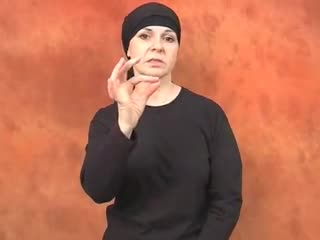
🤖 AI Learning Guide for "interrupt"

Flat hand mimics a sharp cutting action, symbolising breaking into a flow

🎯 Practice Challenge

Practice the sharp, linear movement. Focus on palm down orientation

⚠️ Most Common Mistake

Ensure hand is flat, fingers together, thumb alongside. Make movement decisive

👐 How to Sign "interrupt" in British Sign Language (BSL) (Quick Answer)

Follow these steps to sign interrupt correctly in British Sign Language (BSL):

  1. 1 Form dominant flat hand, fingers together, thumb alongside
  2. 2 Position palm facing down/slightly forward at chest height
  3. 3 Perform a sharp, linear chopping movement downward/forward once
  4. 4 Repeat if the interruption is sustained or repeated

Tip: Watch the video above while following these steps for best results.

🤚 Sign Profile

🤚
Handshape
Dominant hand, flat, fingers together, thumb alongside
🔣
Handshape Code
B-hand
Dominant Hand
Either
🙌
Hand Count
One-handed
📍
Location
Neutral signing space in front of the body
↗️
Movement
Sharp, short, linear chopping motion
🔄
Movement Type
Linear
👆
Contact
Air
👋
Palm Orientation
Palm down or slightly forward/down
⚖️
Symmetry
Asymmetric

😊 Non-Manual Features

Facial expressions and body language are grammatically essential in British Sign Language (BSL) - not optional!

😊
Facial Expression
Slight head movement or direct eye gaze may accompany it
🙆
Eyebrows
Neutral
👁️
Eye Gaze
Forward
🙂
Head Movement
None
👄
Mouth Morpheme
Often mouthing 'chop' or 'pah' for suddenness
🕴️
Body Shift
None

📖 Grammar & Linguistics

Part of Speech Verb
Transitivity Transitive
Inflection No
Classifier Usage N/A
Role Shift No

🎓 Learning Context

📌 When to Use: Used when someone cuts into a conversation or activity
⚠️ Common Mistake: Not sharp enough motion, incorrect handshape
🚫 When NOT to Use: Not for politely asking to speak; use 'excuse me'
Context Tags
Conversation meeting discussion break

🧪 Practice Lab

Use these tiny checks right after watching the video. Fast feedback is what turns recognition into recall.

Meaning check

Which word matches the sign you just watched?

Usage check

Where would this sign fit most naturally?

Confidence check

How do you feel about interrupt right now?

Pick one so SignDeaf can shape the rest of your session around how this sign actually feels.

🧭 Scenario Drill

One sign gets remembered faster when you attach it to real situations. Try these quick scene prompts.

Work

Possible fit

Use this sign in a short workplace sentence or meeting exchange.

Family

Stretch practice

Try signing this while talking about family life or something at home.

School

Stretch practice

Imagine teaching this sign to a classmate or using it in a lesson.

Doctor

Stretch practice

Practise it in a healthcare conversation where clarity matters.

Travel

Stretch practice

Use it in a travel scenario like asking for help or directions.

💬 Example Usage

1.[en] Don't interrupt me. / BSL:[sharp chop] | 2.[en] Sorry to interrupt. / BSL:[small chop] | 3.[en] He always interrupts. / BSL:[repeated chop]

1.[en] Don't interrupt me. / BSL:[sharp chop] | 2.[en] Sorry to interrupt. / BSL:[small chop] | 3.[en] He always interrupts. / BSL:[repeated chop]

When to use it

Used when someone cuts into a conversation or activity

When not to use it

Not for politely asking to speak; use 'excuse me'

Register

Neutral

🌍 Cultural Context

Directness is common, but interrupting is generally considered rude

🗺️ Regional Variations

Minimal, core concept widely understood

⚖️ Similar Signs - What's the Difference?

This sign interrupt
VS
Similar signs Look closely
Compare with 'STOP' (dominant flat hand hitting non-dominant flat hand) and 'BREAK' (two hands, breaking a stick). 'Interrupt' is a one-handed, sharp, linear chopping motion in the air, not contacting another hand or mimicking breaking a physical object. It conveys a sudden cessation of an action or speech

📝 Usage Notes

Sharp, decisive movement is key to conveying the meaning

Frequently Asked Questions

Common questions about the British Sign Language (BSL) sign for "interrupt".

🏷️ Tags

Handshape

Keywords

💡
Did you know?
In BSL, non-manual features (facial expressions, mouthing) are as important as the hand movements.

📚 Explore More British Sign Language (BSL) Signs

Keep building your British Sign Language (BSL) vocabulary - explore signs by category or browse the full dictionary.