Speed
0
Practice reps times watched

Create a free account to keep your watch history and review plan.

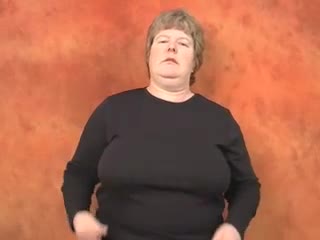
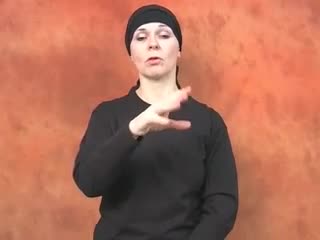
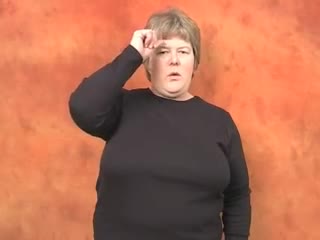
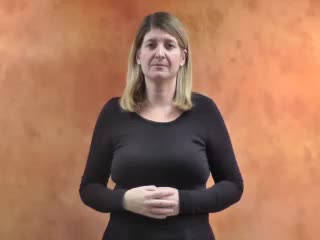
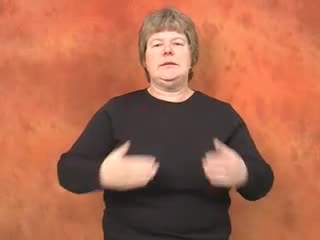
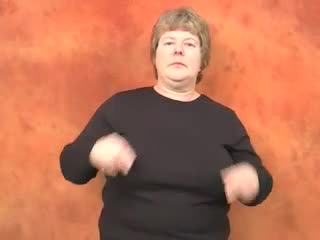
Best practice Use mirror mode, then watch the frame breakdown below to catch the start, movement, and finish cleanly.
Video via SpreadTheSign  - Free educational resource BSL
Updated April 26, 2026
British Sign Language (BSL) 🟢 Beginner 📊 A1 ⚡ Very Common Verb

invite

To ask someone to come somewhere or do something

Source-linked video Step-by-step guide Context and safety notes
Synonyms
Ask to join welcome
Antonyms
Exclude reject
Difficulty
Not rated yet

Create a free account to save this sign, keep your watch history, and unlock a one-note journal preview.

How to sign it
Handshape
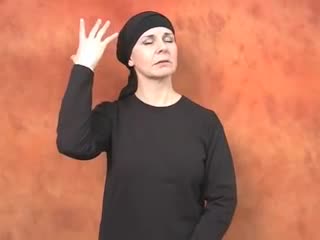
Dominant hand flat, fingers together, thumb tucked or alongside
Location
Starts near dominant shoulder/chest, moves to neutral space
Movement
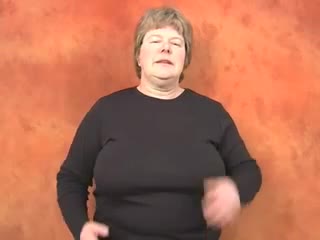
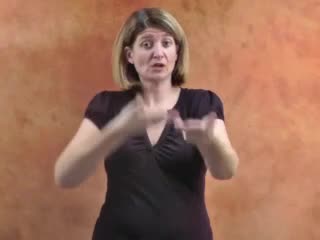
Sweeping arc outwards from the body
Palm Orientation
Forward/Upward
Facial Expression
Slight smile, direct eye contact
🔁 Spaced Review Try it free

How well do you know this sign?

INVITE
Your Progress Live
🌱
Level 1 · BSL Beginner +0 XP today
This sign Not learned yet
0 watches
Mastery 0%
Confidence
How well do you know this sign?
0 🔥 Streak
0 Signs seen
0 Learned
0 Watches
📖 Vocabulary health 🔒 Log in to see score
0 Mastered
0 Confident
0 Practicing
0 Just seen

Create a free account to keep your vocabulary score between sessions

7-day activity 0 of 7 active

Register free to sync activity across devices

Watch signs to see your history here

Tracking locally for now. Create a free account to save your progress and sync across devices.
Free gets you started. Paid adds the repeat-learning layer: review queues, deeper notes, compare mode, and better comeback tools.
My Sign Journal
Personal notes, saved to your account forever
Locked

Write memory tricks, usage examples, and cultural reminders beside each sign. Create a free account to unlock your first saved note preview on this page.

Create free account Already have an account? Log in

What This Sign Means in BSL

The BSL sign for invite is a beautifully clear and direct gesture. At its core, it’s about extending an offer, a welcome, or a summons for someone to join you or come to a specific place. Unlike some English words that can carry subtle shades of obligation or formality, this sign is straightforward and action-oriented. When you sign "invite," you're making an explicit move to include someone.

Visually, the sign embodies the act of reaching out. Your dominant hand, flat and open, sweeps outwards from your personal space, almost as if you’re drawing a path for someone to follow or opening a metaphorical door for them. This motion isn't just a general wave; it has a clear purpose and direction, signifying a genuine desire for inclusion. It’s a very positive and engaging sign.

This sign is particularly powerful because of its personal nature. It's often directed towards the person or people you're inviting, making the invitation feel very immediate and personal. It carries a sense of warmth and genuine hospitality, whether you're inviting a friend for a coffee or a colleague to a meeting. It’s about creating a shared experience or space.

When This Sign Feels Natural

You'll find yourself using the sign for "invite" in a wide array of everyday situations, both social and professional. It feels completely natural when you’re asking a friend to come over to your house, suggesting they join you for a meal, or proposing a trip out. It's the go-to sign for extending any form of social engagement where you want someone to come along.

In more formal or organised settings, the sign remains just as appropriate. Think about inviting colleagues to a team meeting, participants to a workshop, or even a speaker to an event. It conveys a clear message of inclusion and expectation for attendance. It’s a versatile sign that adapts well across different registers, always maintaining its core meaning of extending a welcome or an offer.

Choosing this sign feels natural because it’s so unambiguous. It directly communicates your intention to have someone present. While you might use other signs to describe the *event* itself (like "party" or "meeting"), the act of inviting them to it is perfectly encapsulated by this single, expressive movement. It’s about offering access to your space, your time, or your plans, making it clear you want them involved.

What Learners Usually Miss

One common pitfall for new learners is in the precision of the handshape and movement. The dominant hand needs to be truly flat, with fingers together and the thumb either tucked neatly or resting alongside. Sometimes learners splay their fingers or cup their hand slightly, which can subtly alter the clarity or even inadvertently suggest a different meaning. Ensure your hand is a flat, open plane, ready to offer.

The movement itself, a clear, sweeping arc outwards from the body, is crucial. Learners sometimes make the arc too small, too jerky, or fail to project it far enough into neutral space. Imagine you're truly extending an arm to beckon someone forward or sweeping open a gate for them. The movement should feel smooth, deliberate, and have a definite endpoint, originating from near your dominant shoulder or chest and finishing with a clear projection outwards. It's not a hesitant twitch, but a confident, welcoming gesture.

Another subtle but important element is the overall expression. While you don't need an overly dramatic facial expression, a neutral or slightly welcoming look is important. A stern or overly serious face can unintentionally make the invitation feel more like a demand or a warning, rather than a genuine welcome. The sign for "invite" carries an inherent positivity; let your facial expression reflect that openness and warmth.

A Simple Way to Remember It

To help you remember the sign for "invite," picture your flat hand as a welcoming gesture, sweeping outwards to create space or draw someone in. It’s like you’re literally extending an open invitation with your hand.

  • Imagine your flat hand is a door swinging open, inviting someone to step through.
  • Think of yourself sweeping a path clear for someone to join you, making it easy for them to come.
  • Visualise your hand as an open book or a blank slate, inviting someone to fill it with their presence.

Short Practice Situations

  • "I'm having a small dinner party next Saturday, and I'd love to invite you to come along."
  • "Our team is planning a brainstorming session tomorrow morning; I want to invite everyone to contribute their ideas."
  • "I'm going to watch the football match at the pub later; would you like me to invite you to join me?"
  • "My parents are visiting next month. I'm inviting them to stay with me for a week."
  • "There's a fantastic new café that just opened around the corner. I'm inviting you for coffee sometime."

Signs to Learn Next

  • COME: This sign is a natural follow-on, as an invitation often implies the action of "come here." Understanding "come" will help reinforce the directionality and purpose of "invite."
  • GO: Learning "go" helps you distinguish movement towards the signer (like "come" or an invitation) versus movement away, solidifying your grasp of directional verbs in BSL.
  • JOIN: Often closely related in context, "join" is what someone does after they accept an "invite." Practising both helps you build more complex conversational structures.
  • PARTY: This is a very common context for "invite." Being able to sign "party" allows you to practice inviting people *to* something specific and fun.
  • MEETING: Another frequent scenario. Mastering "meeting" alongside "invite" will be incredibly useful for professional and organisational communication.

🤖 AI Learning Guide for "invite"

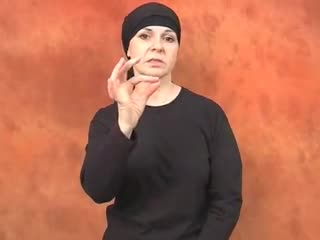
The BSL sign for 'invite' uses a flat hand sweeping outwards, symbolizing an open, welcoming gesture

🎯 Practice Challenge

Practice signing 'invite' to different people

⚠️ Most Common Mistake

Ensure the arc is smooth and outward, not a 'come here' motion

👐 How to Sign "invite" in British Sign Language (BSL) (Quick Answer)

Follow these steps to sign invite correctly in British Sign Language (BSL):

  1. 1 Form flat B-hand, palm up/forward
  2. 2 Start hand near dominant shoulder/chest
  3. 3 Move hand outwards in a clear arc
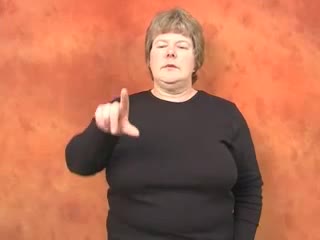
  4. 4 Finish in neutral space, palm forward

Tip: Watch the video above while following these steps for best results.

🤚 Sign Profile

🤚
Handshape
Dominant hand flat, fingers together, thumb tucked or alongside
🔣
Handshape Code
B-hand
Dominant Hand
Either
🙌
Hand Count
One-handed
📍
Location
Starts near dominant shoulder/chest, moves to neutral space
↗️
Movement
Sweeping arc outwards from the body
🔄
Movement Type
Arc
👆
Contact
Air
👋
Palm Orientation
Forward/Upward
⚖️
Symmetry
Asymmetric

😊 Non-Manual Features

Facial expressions and body language are grammatically essential in British Sign Language (BSL) - not optional!

😊
Facial Expression
Slight smile, direct eye contact
🙆
Eyebrows
Neutral
👁️
Eye Gaze
At referent
🙂
Head Movement
None
👄
Mouth Morpheme
Neutral
🕴️
Body Shift
Slight forward lean

📖 Grammar & Linguistics

Part of Speech Verb
Transitivity Transitive
Inflection Yes
Classifier Usage N/A
Role Shift No

🎓 Learning Context

📌 When to Use: Asking people to events, meetings, or gatherings
⚠️ Common Mistake: Confusing with 'come' or incorrect arc direction
🚫 When NOT to Use: When ordering someone or giving a command
Context Tags
Social event meeting ask

🧪 Practice Lab

Use these tiny checks right after watching the video. Fast feedback is what turns recognition into recall.

Meaning check

Which word matches the sign you just watched?

Usage check

Where would this sign fit most naturally?

Confidence check

How do you feel about invite right now?

Pick one so SignDeaf can shape the rest of your session around how this sign actually feels.

🧭 Scenario Drill

One sign gets remembered faster when you attach it to real situations. Try these quick scene prompts.

Work

Possible fit

Use this sign in a short workplace sentence or meeting exchange.

Family

Stretch practice

Try signing this while talking about family life or something at home.

School

Stretch practice

Imagine teaching this sign to a classmate or using it in a lesson.

Doctor

Stretch practice

Practise it in a healthcare conversation where clarity matters.

Travel

Stretch practice

Use it in a travel scenario like asking for help or directions.

💬 Example Usage

1.[en] Invite to dinner / BSL:[INVITE DINNER] | 2.[en] Invite everyone / BSL:[INVITE ALL] | 3.[en] He invited me / BSL:[HE INVITE ME]

1.[en] Invite to dinner / BSL:[INVITE DINNER] | 2.[en] Invite everyone / BSL:[INVITE ALL] | 3.[en] He invited me / BSL:[HE INVITE ME]

When to use it

Asking people to events, meetings, or gatherings

When not to use it

When ordering someone or giving a command

Register

Neutral

🌍 Cultural Context

Often accompanied by a welcoming facial expression

🗺️ Regional Variations

Minor variations in start location or arc size

⚖️ Similar Signs - What's the Difference?

This sign invite
VS
Similar signs Look closely
"INVITE" vs. "COME (directional)": INVITE uses a B-hand sweeping outward from the signer, indicating an offer to join. COME (directional) uses a similar handshape but sweeps inward towards the signer, meaning to move towards the signer. The direction of the arc is the crucial difference.
"INVITE" vs. "ASK": INVITE is specifically about extending an offer. ASK (request) typically uses a G-hand or flat hand, tapping the chest or moving forward, indicating a general query or request, not necessarily an invitation to join

📝 Usage Notes

Directional; sign moves from signer to invitee

🏷️ Tags

Handshape

Keywords

💡
Did you know?
BSL is a full, natural language with its own grammar - not just English signed word by word.

📚 Explore More British Sign Language (BSL) Signs

Keep building your British Sign Language (BSL) vocabulary - explore signs by category or browse the full dictionary.