What This Sign Means in BSL
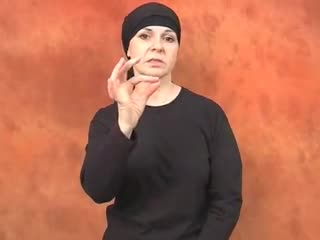
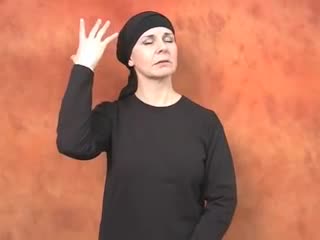
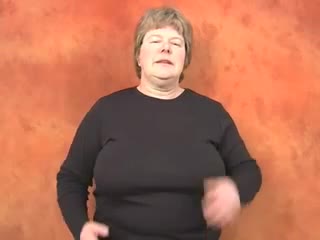
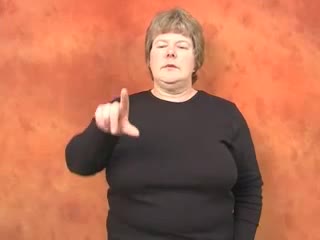
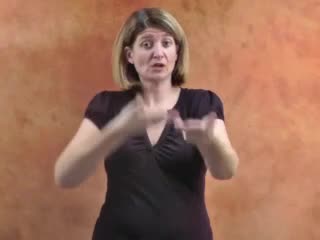
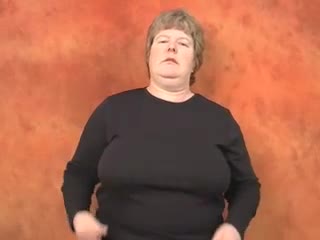
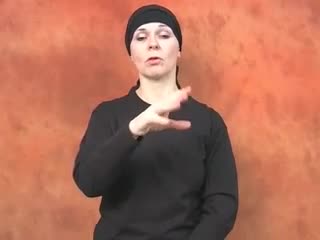
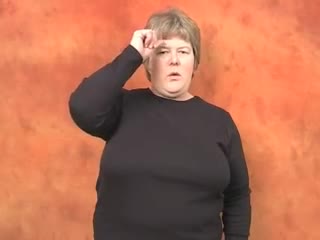
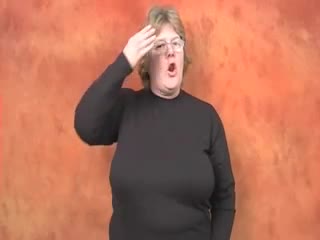
The BSL sign for relax is a wonderfully expressive verb, directly conveying the action of unwinding and letting go of tension. At its heart, it means to become less anxious, to calm down, or to simply take it easy. It's a fundamental sign in British Sign Language that captures a universal human need: finding a moment of peace amidst life's hustle. When you see this sign, you're observing a visual metaphor for releasing pressure, both mental and physical, making it a powerful tool for expressing comfort and ease.
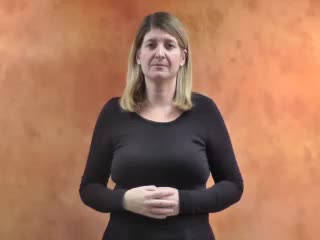
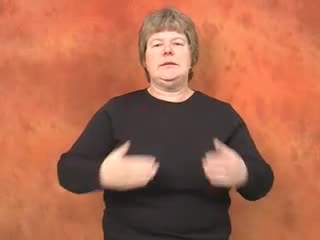
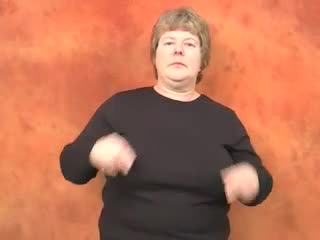
What makes this sign particularly notable is its bilateral symmetry and outward movement. Both hands work together, mirroring each other to amplify the feeling of release. It's not just about stopping activity; it’s about actively shedding stress. Think of it as opening up your chest and allowing any burdens to simply fall away. This isn't a passive sign; it's an active invitation to, or declaration of, a shift into a more tranquil state. It speaks to a restoration of equilibrium.
This sign carries an inherently positive and comforting tone. It's often used when someone is feeling overwhelmed, or when describing an environment or situation that promotes serenity. It’s a sign of encouragement, of empathy, and of self-care. Learning it well means you can offer solace, express relief, or articulate your own need for a break from demanding situations, making it incredibly versatile in everyday conversations.
When This Sign Feels Natural
You’ll find the sign for relax feels most natural in situations where you or someone else needs to de-stress, unwind, or just "chill out." Imagine a friend is visibly stressed about an upcoming deadline; signing "relax" offers direct encouragement to ease their worries. Similarly, after a long week, you might sign "I just want to relax this weekend" to communicate your plans for downtime. It’s perfect for those moments when you need to articulate a desire for calm, or to advise someone else to find their own peace.
This sign is quite flexible in its register, fitting comfortably into both informal chats and more considered conversations. Among friends and family, it’s a friendly suggestion or a shared sentiment. In a slightly more formal context, perhaps discussing stress management or mental well-being, it maintains its core meaning but can be delivered with a more measured, empathetic tone. It’s a sign that speaks to emotional states, so its natural use often involves a degree of personal connection or understanding of another’s feelings.
While "relax" is broad, it’s important to distinguish it from signs like "rest" or "break." "Rest" often implies stopping physical activity to recover, like taking a nap or sitting down. "Break" refers to a temporary pause from work or an activity. "Relax," however, focuses specifically on the *mental and emotional* state of easing tension. You can rest without truly relaxing, and you can take a break that doesn't necessarily lead to relaxation. Use "relax" when the emphasis is on the internal feeling of calm and the shedding of stress, rather than merely ceasing an activity.
What Learners Usually Miss
One of the most common things learners miss with the BSL sign for relax is the subtle but crucial *bounce* at the end of the movement. It’s not just a single, smooth downward and outward stroke. Instead, after the initial sweep, your hands should gently rebound slightly, as if settling into a comfortable position or sinking into a soft cushion. This small bounce adds an essential layer of meaning, conveying the feeling of truly settling into a relaxed state, rather than just performing a stiff, mechanical motion. Practicing this gentle rebound will make your sign much more authentic and expressive.
Another frequently overlooked element is the accompanying facial expression. Signing "relax" with a tense, furrowed brow or a rigid jaw completely undermines the message. To truly convey relaxation, your face should soften, your eyes might slightly crinkle at the corners, and your mouth could form a gentle, relaxed smile or neutral expression. A relaxed face makes the sign credible and adds significant emotional weight. Remember, BSL is a visual language where the face carries as much meaning as the hands, especially for signs conveying emotion or state of being.
Finally, learners sometimes underemphasize the *outward* component of the movement. While the hands move downwards, they also move distinctly *away* from the body, almost as if pushing tension outwards and creating space. If your hands just drop straight down, you lose that powerful visual of spreading calm and releasing internal pressure. Focus on ensuring your open, flat B-hands sweep downwards *and* outwards from your upper chest area towards your mid-torso, creating a sense of expansiveness and relief. This outward motion is key to the sign's full meaning.
A Simple Way to Remember It
Think of the BSL sign for relax as a gesture of literally "letting go" of stress and tension. Your open hands are like portals through which worries escape, spreading outwards and downwards as calm settles in. The gentle bounce at the end is the feeling of finally settling into a peaceful state, like a deep sigh of relief made visible.
- "Letting Go" Gesture: Imagine your open hands are gently pushing worries down and away from your chest, releasing any built-up tension.
- Spreading Calm: The outward movement of your hands visually represents calm or peace spreading throughout your body, creating a sense of space and ease.
- Sinking In: The slight, soft bounce at the end of the movement feels like you're settling comfortably into a chair or a peaceful moment, truly sinking into relaxation.
Short Practice Situations
- "I've had a really busy day at work; I just need to relax this evening with a good book."
- "The doctor advised me to try and relax more often to help manage my stress levels."
- "Don't worry too much about the small stuff; sometimes you just need to take a deep breath and relax."
- "After we finished that big project, the whole team felt like we could finally relax a bit."
- "For me, a quiet walk in nature is often all I need to truly relax and clear my head."
Signs to Learn Next
- CALM: This sign often describes the state achieved after one relaxes, focusing on inner tranquility. Learning "calm" will help you articulate the outcome of relaxing.
- PEACE: A broader concept, "peace" often encompasses the serene feeling associated with deep relaxation, both personally and in an environment. They frequently go hand-in-hand.
- REST: While distinct, "rest" is often a component of relaxation, focusing more on physical cessation of activity. Understanding the difference will refine your descriptive abilities.
- STRESS: Learning the opposite sign, "stress," provides crucial context for "relax," as one is often a relief from the other. It helps you discuss both states effectively.
- BREAK: Like "rest," taking a "break" can be a pathway to relaxation, but it refers to the temporary pause itself rather than the mental state. Knowing both allows for more precise communication.