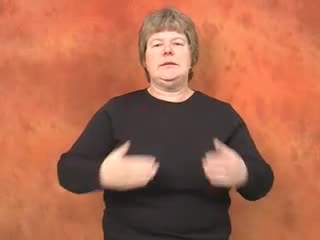
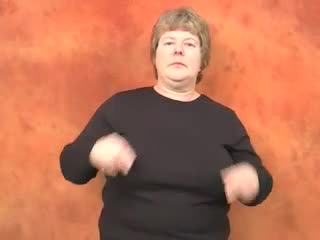
What This Sign Means in BSL
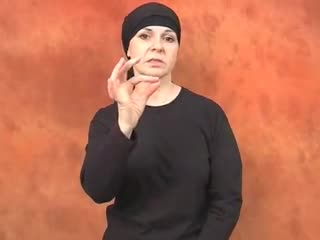
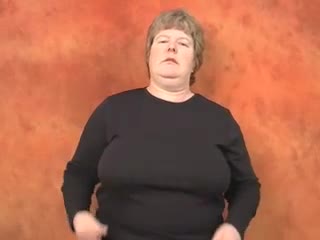
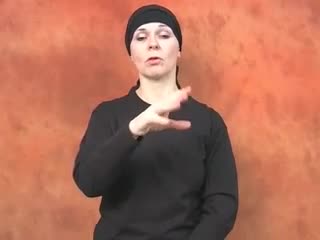
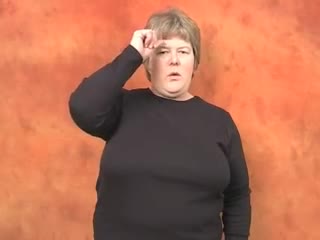
The BSL sign for like is a wonderfully straightforward way to express preference, enjoyment, or fondness for something or someone. When you use it, you're conveying a positive feeling, much like saying "I approve of this" or "This brings me pleasure." It's one of the foundational signs for sharing your opinions and connecting with others on common interests, making it indispensable in everyday conversation.
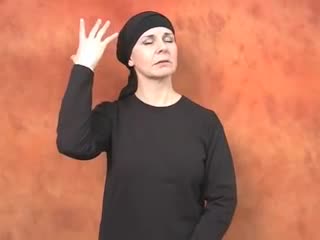
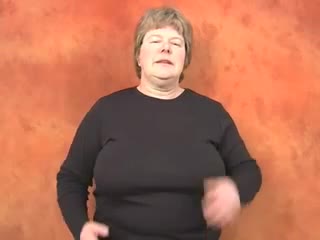
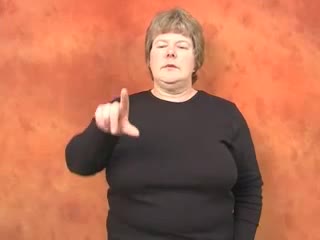
What makes this sign particularly expressive is its origin point. Starting from the chest, it visually suggests that the feeling of 'liking' something comes from within you, from your heart or core self. The outward movement then extends that positive sentiment towards the object or idea you're referring to. It’s a simple gesture, yet it carries a lot of warmth and sincerity, communicating a direct and unambiguous positive response.
This sign is primarily a verb, signifying an action of liking. Think of it as the BSL equivalent of "I like coffee" or "She likes to read." While English can sometimes use "like" in many other ways (like a comparison or a filler word), in BSL, this sign is quite specific to the meaning of preference or enjoyment. Mastering it means you can clearly articulate what resonates with you in the world.
When This Sign Feels Natural
You'll find yourself reaching for this sign constantly in casual, friendly conversations. It's perfect for discussing hobbies, food, people, places, or even abstract ideas. Imagine you're at a café with a Deaf friend; you might sign "I like this coffee" or "Do you like the new art exhibition?" It fits seamlessly into relaxed, everyday exchanges where you're sharing personal tastes and opinions.
This sign maintains a generally informal to neutral register, making it versatile for almost any social context amongst peers or those you have a comfortable relationship with. It’s not overly formal, nor is it extremely slangy. It’s the comfortable middle ground for expressing positive sentiment. It's a key sign for building rapport and finding common ground, allowing you to easily agree with someone's tastes or introduce your own.
While this sign is excellent for expressing general preference, you might choose a different sign if you want to convey a stronger emotion like 'love' or 'adore', or if you need to differentiate between 'liking' something and 'wanting' it. Also, if you’re trying to say "similar to" or "as if" (like in a simile), BSL uses different grammatical structures and signs entirely. This sign is firmly rooted in the concept of personal enjoyment and approval, so keep its specific meaning in mind.
What Learners Usually Miss
One common oversight for new learners is neglecting the subtle arc in the movement. It's not just a straight push forward; there's a gentle, natural curve as the hand moves outward from the chest. This arc adds a fluidity and softness to the sign, making it feel more organic and less abrupt. Practise making that movement smooth and continuous, rather than a stiff, linear motion.
Another point that often gets missed is the importance of a natural facial expression. Because "like" is an emotion, even if mild, your face should reflect it. A slight smile, a relaxed brow, or a generally pleasant expression accompanies the sign beautifully. Signing "like" with a blank or frowning face can make your communication feel incongruent or even insincere, potentially confusing your conversation partner about your true feelings.
Finally, English speakers, in particular, often overuse "like" as a filler word or a discourse marker ("I was like, 'what?'"). In BSL, the sign for "like" is strictly reserved for its meaning of preference or enjoyment. It's crucial to resist the urge to pepper your BSL sentences with the sign for "like" in the same way you might use the word in spoken English. Be precise: use it only when you genuinely mean "I enjoy/prefer this."
A Simple Way to Remember It
Think of the sign for "like" as physically externalising a positive feeling from your core. It's like your heart or gut feeling about something is so positive, you're gently pushing that feeling outwards towards the thing you appreciate. The flat hand can represent an open, honest expression of that feeling.
- Flat Hand (B-handshape): Imagine your open palm is offering your positive opinion, clearly and without obstruction. It’s a clean slate for your preference.
- Outward from Chest: This visually represents the feeling emanating from within you, from your heart or inner self, extending towards the object of your liking.
- Gentle Arc: The slight curve adds a natural, amiable quality, showing that your preference is a gentle, positive flow, not a harsh declaration.
Short Practice Situations
- You're at a friend's house: "I really like your new sofa; it looks so comfortable."
- Someone offers you a snack: "Oh, yes, I like apples, thank you."
- You're discussing a film: "I actually like that movie, especially the ending."
- Asking about someone's hobby: "Do you like playing football on the weekends?"
- Commenting on the weather: "I like sunny days more than rainy ones."
Signs to Learn Next
- LOVE: While "like" expresses preference, "love" signifies a much deeper, more intense affection. Learning "love" next helps you express the full spectrum of positive emotions and distinguish between mild enjoyment and profound attachment.
- HATE: This sign is the direct opposite of "like," expressing strong dislike or aversion. Practising "hate" alongside "like" helps you understand the emotional range and how BSL contrasts opposite feelings, often using similar starting points but with contrasting movements or handshapes.
- WANT: Often, if you like something, you might also want it. "Want" expresses desire or a need for something. Learning it helps differentiate between simply enjoying something and actively wishing to possess or experience it.
- GOOD: This adjective is frequently used in conjunction with things you like. If you like something, you often think it's "good." Understanding "good" allows you to add another layer of positive description to your BSL vocabulary.
- ENJOY: Similar to "like" but often implies more active participation or a deeper appreciation of an experience. Learning "enjoy" allows you to express pleasure in activities or events, complementing the general preference conveyed by "like."