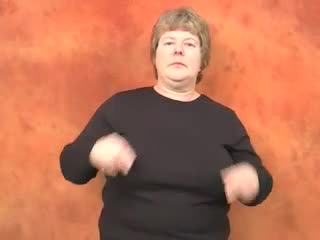
What This Sign Means in BSL
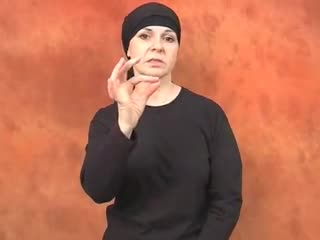
The BSL sign for lie, specifically the verb meaning "to tell an untruth," is a really impactful sign that gets straight to the point. It's not about reclining or lying down; this sign is solely dedicated to the act of intentional falsehood. When you see this sign, you immediately understand that someone is speaking dishonestly or has misrepresented facts.
It’s a direct and unambiguous sign in BSL. Unlike spoken English where we might use softer terms like "fib" or "white lie," the BSL sign for "lie" often carries the full weight of deceit. There's little room for ambiguity, making it a very clear statement about the veracity of someone's words or claims.
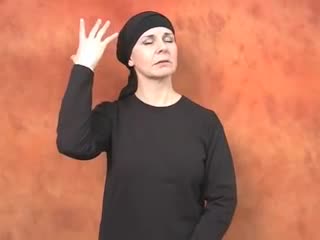
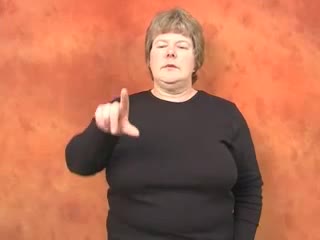
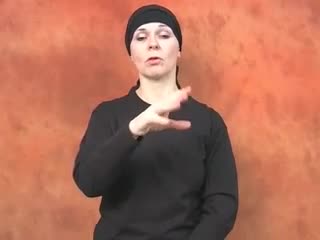
Visually, the sign gives a sense of something being emitted or "flicked away" from the area of the mouth. This visual metaphor helps reinforce the idea of words that aren't true leaving the speaker. It's a concise way to communicate a significant concept of dishonesty within a conversation.
When This Sign Feels Natural
You'll find yourself using the BSL sign for lie in a variety of situations where the truth is being questioned or outright denied. It's natural when you're reporting on someone else's dishonesty, perhaps sharing a story where a character wasn't truthful, or even in more serious contexts like discussions about legal testimony or personal integrity.
When it comes to register, this sign is quite forthright. It isn't typically used playfully on its own. If you wanted to convey a "white lie" or a slight exaggeration without the full implication of malice, you'd usually add specific facial expressions, body language, or other BSL signs to provide that nuance. Without those qualifiers, "lie" is generally understood as a serious untruth.
It's crucial to remember that this sign is exclusively for the act of speaking falsely. If you mean "to recline" or "to lie down," BSL uses entirely different signs that describe physical posture. Similarly, if someone is simply mistaken or misinformed, you'd use signs like "mistake" or "wrong" rather than "lie," as "lie" implies intent to deceive.
What Learners Usually Miss
Many learners, after seeing the basic form, sometimes miss the subtle yet important *flick* movement. It’s not just a touch and a pull away from the chin; there's a definite, sharp flick forward and slightly upward. This flick is vital as it conveys the sense of words being "thrown out" or rejected as untrue. Practise that crisp, decisive flick – it makes all the difference in the sign's clarity and impact.
Another common oversight is neglecting the crucial role of facial expression. While the sign itself is direct, your face adds layers of meaning. If you're expressing suspicion or accusing someone, a slightly narrowed-eyed or questioning expression often accompanies the sign. When simply reporting a fact about someone's dishonesty, your expression might be more neutral but still engaged. A blank or disconnected facial expression can weaken the sign's message significantly.
Learners sometimes over-apply "lie" when other, more precise signs might fit better. For example, if someone is simply making a story bigger than it is, "exaggerate" (dominant hand twists from wrist forward) might be more accurate. If they are pretending to be something they're not, "pretend" (dominant 'P' handshape tapping forehead) would be a better choice. Remember, "lie" is specifically about communicating an *intentional untruth*, not just a mistake or an embellishment.
A Simple Way to Remember It
Think of the index finger as representing a single statement or a pointed word. When it touches your chin (the area where words come from), and then *flicks* forward, it's like you're physically rejecting or "flicking away" the truth, or perhaps "flicking out" a dishonest statement. This action visually encapsulates the idea of not being truthful with what you say.
* The **index finger** points directly, like a statement, but then it's rejected.
* The **flick motion** symbolises "flicking away" the truth or "flicking out" a falsehood from the mouth.
* The **chin location** highlights the close connection to speaking and verbal communication.
Short Practice Situations
- They told a lie about where they were last night, which made everyone suspicious.
- I heard he lied about his experience to get the job, and now he's struggling.
- It's important not to lie to your doctor; they need accurate information to help you.
- Did she lie when she promised to finish the project by Friday?
- The children tried to lie about who broke the vase, but the evidence was clear.
Signs to Learn Next
- Truth/True: This is a fantastic opposite to learn. It uses an index finger from the chin, moving straight forward, conveying honesty and directness. Mastering both helps you discuss integrity and falsehood effectively.
- Honest/Honesty: Using the dominant 'H' handshape touching the chin and then moving forward, this sign relates to the broader concept of integrity and trustworthiness, which is directly undermined by lying.
- Promise: This sign, where the dominant 'A' handshape taps on the non-dominant fist, is closely linked to giving one's word. Understanding "promise" helps you discuss situations where someone breaks their word through deceit.
- Exaggerate: Often confused with "lie," this sign involves the dominant hand twisting from the wrist forward. It's useful for distinguishing between a deliberate untruth and simply making something seem bigger or more dramatic than it is.
- Deceive/Trick: Using two 'X' handshapes, with the dominant hand hooking around the non-dominant, this sign describes the broader act of misleading someone. Lying is often a component of deception, so learning this expands your ability to discuss cunning behaviour.