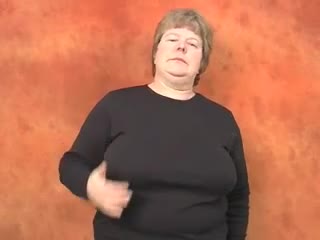
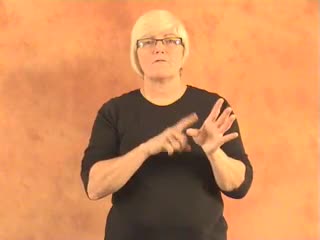
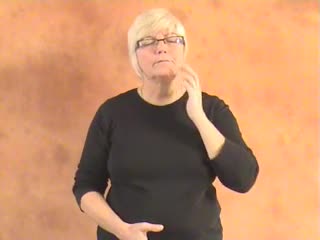
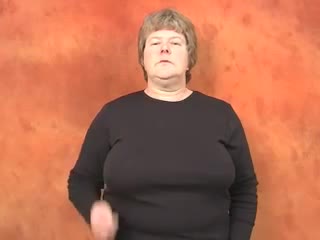
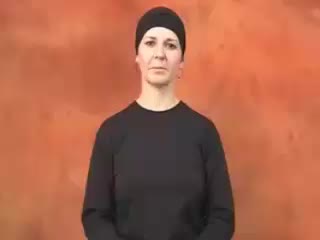
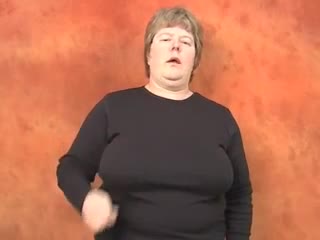
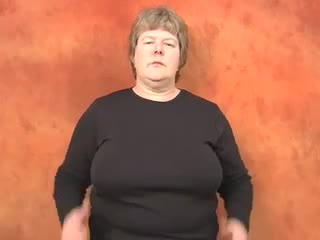
1.[en] How are you? / BSL: YOU HOW? | 2.[en] How do I do this? / BSL: THIS I DO HOW? | 3.[en] How many? / BSL: MANY HOW?
1.[en] How are you? / BSL: YOU HOW? | 2.[en] How do I do this? / BSL: THIS I DO HOW? | 3.[en] How many? / BSL: MANY HOW?
Create a free account to keep your watch history and review plan.
Asks about method, manner, or extent
Save this sign
Build your personal BSL dictionary - free account lets you save signs, track progress, and earn XP.
Create free account Already have an account? Log in →Create a free account to save this sign, keep your watch history, and unlock a one-note journal preview.
How well do you know this sign?
Keep your streak going
Create a free account to get more reviews and save your progress.
Create free account Already have an account? Log in →Write memory tricks, usage examples, and cultural reminders beside each sign. Create a free account to unlock your first saved note preview on this page.
Create free account Already have an account? Log inThe BSL sign for how is one of those fundamental questions that unlocks deeper understanding. It’s not just asking for information, but asking about the process or manner of something. Think of it as seeking the ‘mechanism’ or ‘method’ behind an action or state. This sign is your gateway to understanding the inner workings of things, from simple tasks to complex ideas.
The transition from a closed C-hand to an open 5-hand, coupled with its forward movement, perfectly embodies this quest. You’re starting with a query, perhaps a perceived 'gap' in understanding (the C-hand, encompassing an unknown), and then you’re actively seeking to open up that knowledge, to spread it out (the 5-hand), pushing forward for clarity. It’s a dynamic expression of curiosity and the pursuit of knowledge.
This sign carries a neutral, inquisitive tone. It's not accusatory like a sharp "why," nor simply declarative like "what." Instead, it's an invitation for explanation, a genuine desire to comprehend the steps, the way things operate, or the condition of someone or something. Mastering this sign means you're ready to dive into the details and connect with people on a deeper, more explanatory level.
You’ll find yourself reaching for the sign for "how" constantly in everyday conversations. It’s incredibly natural when you're asking about someone's wellbeing ("How are you?"), inquiring about a procedure ("How do I apply for that?"), or seeking an update on a situation ("How is the project progressing?"). It’s a versatile sign that fits seamlessly into a wide range of contexts, making it an early essential for any BSL learner.
This sign is particularly effective when paired with other BSL signs to form richer, more specific questions. For instance, signing "YOU FEEL HOW?" becomes "How do you feel?", and "TIME LONG HOW?" can translate to "How long will it take?". It often acts as a pivot point in a sentence, directing the conversation towards the explanation you're looking for, rather than just a simple yes/no answer.
Consider your audience and the context. The BSL sign for "how" is suitable across most registers, from casual chats with friends to more formal discussions. However, be mindful that sometimes "how" can be implied by simply asking a question about a process, like "YOU COOK CAKE?" (meaning "How do you cook a cake?"). If the 'how' is central to your query, signing it explicitly adds essential clarity and emphasis.
A common oversight for new learners is neglecting the crucial facial expression that accompanies this interrogative sign. For "how," you should typically have raised eyebrows, indicating a question. A blank or neutral face can make your sign look more like a statement or an incomplete thought, rather than a genuine query. Remember, your eyebrows are your visual question mark, signalling to your conversation partner that you’re asking for information.
Another subtle but important point is the full, deliberate movement from the C-hand to the open 5-hand, coupled with its forward trajectory. Sometimes learners make the movement too small, or the hand doesn't fully open and spread. This can make it look like a different sign, or unclear. Ensure your hand opens wide, fingers spread, as if truly "unveiling" the answer you seek, and push it definitively forward from your upper chest area, signalling your intent to receive an explanation.
Avoid over-reliance on this sign. While "how" is versatile, not every English sentence containing "how" requires the explicit BSL sign. For example, "How wonderful!" wouldn't use this sign; instead, you'd express the emotion through facial expression and signs like `WONDERFUL` or `AMAZING`. Similarly, "How much?" or "How many?" often have their own distinct BSL structures that may or may not incorporate this specific "how" sign, so be careful not to force it where it doesn't quite fit the natural flow of BSL grammar and expression.
To truly embed the BSL sign for "how" in your memory, try linking its physical form and movement to the very essence of asking for an explanation. It’s like your hand is physically trying to unravel a mystery or bring clarity to a puzzle, moving from a contained question to an open answer.
The sign 'how' uses a dominant hand starting as a C-shape near the shoulder, then opening to a 5-hand as it moves forward, typically with raised eyebrows
Sign 'how' in different contexts: 'How are you?', 'How did that happen?', 'How much?'
Ensure hand opens fully from C to 5, and include raised eyebrows for the question
Follow these steps to sign how correctly in British Sign Language (BSL):
Tip: Watch the video above while following these steps for best results.
Facial expressions and body language are grammatically essential in British Sign Language (BSL) - not optional!
Use these tiny checks right after watching the video. Fast feedback is what turns recognition into recall.
Pick one so SignDeaf can shape the rest of your session around how this sign actually feels.
One sign gets remembered faster when you attach it to real situations. Try these quick scene prompts.
Use this sign in a short workplace sentence or meeting exchange.
Try signing this while talking about family life or something at home.
Imagine teaching this sign to a classmate or using it in a lesson.
Practise it in a healthcare conversation where clarity matters.
Use it in a travel scenario like asking for help or directions.
1.[en] How are you? / BSL: YOU HOW? | 2.[en] How do I do this? / BSL: THIS I DO HOW? | 3.[en] How many? / BSL: MANY HOW?
Asking about method, manner, or degree
When asking for 'what kind' or 'which one'
Neutral
Essential question word, used broadly across topics
Minor variations in starting position or hand opening speed
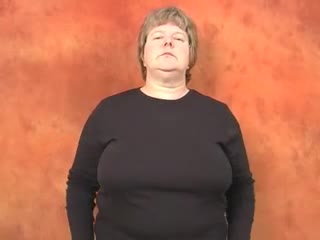
Denotes 'also,' 'in addition,' or 'likewise.'
Compare with too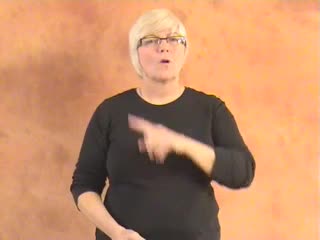
To ask for a reason or explanation
Compare with why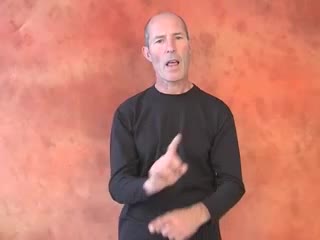
At a subsequent time; after now
Compare with laterOften accompanied by raised eyebrows and forward head tilt
Common questions about the British Sign Language (BSL) sign for "how".
Keep building your British Sign Language (BSL) vocabulary - explore signs by category or browse the full dictionary.