What This Sign Means in BSL
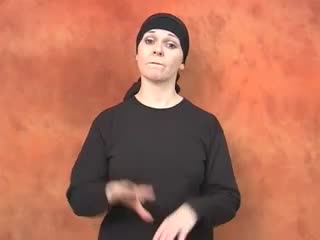
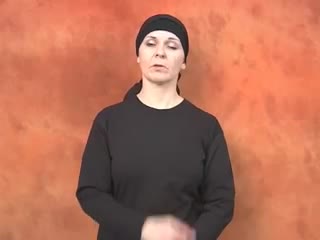
The BSL sign for red is wonderfully direct and visually intuitive. It’s a sign that truly connects the colour with a part of the body often associated with it – our lips. When you sign red, you're not just conveying a colour; you're often making a clear, strong statement. It's one of the foundational colours in BSL, and its simplicity makes it a fantastic sign to master early in your learning journey.
Unlike some signs that might have multiple interpretations depending on context, the sign for red is generally quite straightforward. It consistently refers to the colour. This directness is a hallmark of many BSL signs for basic concepts, making them easy to recognise and understand across different conversations. As you practice, pay attention to how this clarity feels when you execute the sign – it should feel confident and unambiguous.
This sign embodies the common BSL practice of using the body as a canvas for communication. The handshape, with the index finger extended, points directly to the source, and the outward movement from the lips seems to almost "project" the colour. It's a sign that feels very much rooted in the human experience of seeing and identifying colours, particularly one as vibrant and impactful as red.
When This Sign Feels Natural
You’ll find yourself using the sign for red in countless everyday situations. It feels most natural when you're describing objects, clothing, or even natural phenomena. Think about a bright red apple you’re offering, the red jumper someone is wearing, or the striking red brick of an old building. It’s a versatile sign that fits seamlessly into descriptive sentences, helping to paint a vivid picture for your audience.
Beyond simple descriptions, the sign for red can also naturally appear when discussing things like traffic lights, warning signs, or even certain emotional states. For instance, someone might sign red when referring to blushing from embarrassment or feeling hot with anger, often accompanied by appropriate facial expressions. The core meaning remains the colour, but the context adds layers of nuance. It’s a sign that easily adapts to the situation, whether you’re having a casual chat or providing specific instructions.
Consider your audience and the register of your conversation. For general communication about colours, this sign is universally understood within the BSL community. You wouldn't typically use a different sign for "red" unless you were discussing a very specific shade and perhaps combining it with other signs to indicate "light red" or "dark red." For most purposes, however, this singular, clear sign for red is exactly what you need.
What Learners Usually Miss
One common oversight for new learners is the precise handshape and location. It's crucial that your index finger is clearly extended and distinct from the other curled fingers. Sometimes, learners might let other fingers slightly extend, or the thumb might not be tucked neatly alongside. This can slightly obscure the clarity of the sign, making it look less defined. Really focus on isolating that index finger and ensuring the hand presents a clean, unambiguous shape.
Another subtle point often missed is the exact starting location and movement. The sign begins right on the lips, with the tip of the index finger gently touching or very close to them. The movement is a single, clear, outward motion, a bit like flicking a speck away. Learners sometimes place the hand too far from the lips, or they might make the movement too hesitant, too long, or even repeat it. Aim for a confident, singular, and relatively swift outward movement from the lips themselves to convey the sign effectively.
Finally, while the sign for red often has a neutral facial expression, don't forget that BSL is a full-body language. When you're describing something vividly red, like a dramatic sunset or an intense emotion, your facial expression can naturally enhance the sign's impact. While not strictly part of the sign itself, neglecting your facial grammar can make your signing feel flat. Practise saying "It's red!" with your face as you sign it, and you'll notice the difference in how your message is received.
A Simple Way to Remember It
Thinking about the natural redness associated with our lips can be a really helpful way to embed this sign in your memory. Imagine that you are pointing to the colour that your lips naturally are, or perhaps the colour that lipstick might add. The sign starts at the very source of this association, right on your lips, and then moves outwards, as if you're highlighting or projecting that colour to someone.
- Lip Colour Connection: Think of the natural colour of lips or how they might turn red from the cold or a spicy meal. The sign begins right there, connecting the colour directly to this part of your face.
- Highlighting the Hue: Visualise your index finger as a pointer, drawing attention to the redness of your lips and then sweeping that colour outwards, making it visible to others.
- "Kiss" of Colour: For a slightly more playful memory hook, imagine you're giving a quick, almost silent "kiss" and then flicking the colour away. The outward movement captures that sense of projection.
Short Practice Situations
- Can you pass me that red book on the shelf, please?
- Look, the traffic light has just turned red, so we need to stop now.
- My friend was wearing a really beautiful, bright red scarf yesterday.
- I accidentally left my favourite red pen at home this morning.
- After running so fast, their face went completely red!
Signs to Learn Next
- COLOUR: Learning the general sign for colour provides a fantastic framework for all other colour signs. It helps you understand how BSL categorises and discusses hues.
- BLUE: As another primary colour, blue is often taught alongside red. Its distinct handshape and location (often near the cheek or temple) will help you differentiate between basic colours.
- YELLOW: Adding yellow completes the set of primary colours, each with its unique BSL representation. Practising these three together reinforces your foundational vocabulary.
- PINK: This is a great next step because it's conceptually related to red as a lighter shade. You'll often find its sign has a similar starting point or handshape, but with a slight variation that makes it distinct.
- WHITE: Learning white introduces another common and essential colour that typically uses a different handshape and location, further expanding your colour vocabulary in BSL.