What This Sign Means in BSL
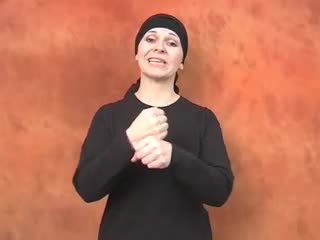
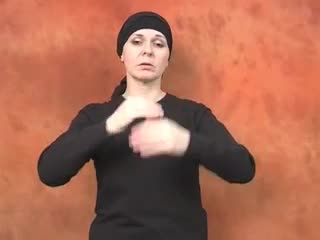
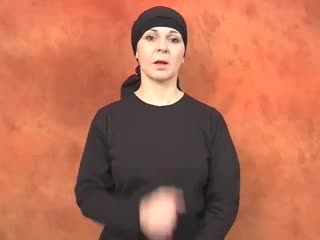
The BSL sign for cold isn't just a simple descriptor; it's a wonderfully expressive sign that truly embodies the sensation of being cold. Imagine your body's natural reaction when the temperature drops – you tense up, you might shiver, and your hands instinctively want to clench to generate warmth. This sign captures that exact physical experience, making it incredibly intuitive and visually compelling. It's a prime example of how BSL uses movement and body language to convey a feeling, not just a concept.
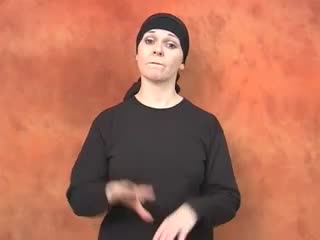
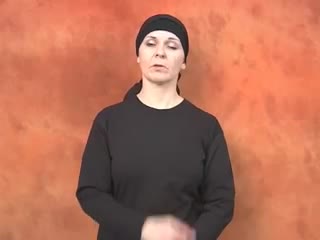
At its core, this sign communicates a discomforting chill. It's not just about a low number on a thermometer; it's about the *feeling* of that low temperature on your skin, in your bones. The slight curling of the fingers and the inward movement of the fists at chest level are crucial. They represent that instinctive retraction and tightening we all do when we're trying to conserve body heat or protect ourselves from the bite of the cold.
What's particularly powerful about this sign is its versatility in conveying intensity. A subtle, brief movement might indicate a mild chill, like a draught from an open window. However, an exaggerated, sustained shaking and tensing of the hands can powerfully communicate extreme cold, like being caught in a blizzard. It allows you to communicate the *degree* of coldness with nuance, making your communication much richer and more accurate than just signing a single word.
When This Sign Feels Natural
You'll find yourself reaching for the BSL sign for cold in countless everyday scenarios. It's perfect for commenting on the weather – "It's so cold outside today!" – or expressing discomfort when you step into a chilly room. Think about those moments when you visibly shiver, pull your arms in, or rub your hands together; that's exactly the kind of situation where this sign comes into its own, providing a direct visual equivalent to your physical reaction.
This sign is also excellent for describing the temperature of objects that are supposed to be warm but aren't, or things that are naturally cold. For instance, you might use it to sign, "My tea has gone cold," or "The metal railing is freezing cold to touch." It clearly indicates a temperature that is lower than desirable or expected, focusing on the sensory experience rather than just an objective measurement. It's about the *feeling* of cold that the object imparts.
While primarily focused on physical temperature, the sign can also subtly imply a certain 'unwelcoming' atmosphere if combined with appropriate facial expressions and context. However, for expressing emotional 'coldness' in the sense of being unfriendly or aloof, BSL typically employs different signs that focus on personality traits. So, when learning the BSL sign for cold, it's best to initially ground your understanding firmly in its core meaning of physical temperature and the sensations associated with it, ensuring you use it accurately and naturally within its most common contexts.
What Learners Usually Miss
One of the most common oversights learners make with the BSL sign for cold is neglecting the **facial expression**. A sign, especially one conveying a sensation, loses much of its impact if the face remains neutral. For "cold," your face should mirror the discomfort: perhaps a slight frown, narrowed eyes, or even a subtle shiver of the lips. Imagine how your face naturally reacts to a blast of icy air – bring that into your signing. A blank expression will make your sign look like a simple statement rather than an empathetic communication of feeling.
Another frequent challenge is the **intensity and duration of the movement**. The instruction "tensing and shaking" isn't just a quick flick of the wrist. The shaking should convey a sustained shiver, and the tensing of the fists and arms adds to the feeling of contraction against the cold. Beginners often make the movement too small, too fast, or too rigid. Practice letting your whole upper body subtly engage, allowing the 'shaking' to be a genuine tremor rather than a mechanical gesture, varying its duration to show *how* cold you are.
Finally, learners sometimes overlook the precision of the **handshape and location**. While "fists at chest level" seems straightforward, ensuring your palms are genuinely inward and fingers slightly curled, not flat or fully open, is important. The movement is *slightly* inward, not a dramatic pull. Sometimes, people sign too high (near the shoulders) or too low (near the waist). Keeping it consistently at chest level reinforces the idea of pulling your core in to stay warm. Pay attention to these subtleties; they're what elevate your signing from functional to truly fluent and natural.
A Simple Way to Remember It
Think of the sign for cold as your body's instinctive reaction to freezing temperatures made visible. It’s an immediate, physical response to discomfort, like hunching your shoulders and pulling your arms in to keep warm. By linking the visual form of the sign directly to these familiar bodily sensations, you create a powerful memory anchor.
- Imagine your hands instinctively clenching into **fists** as you try to grip warmth, or as muscles tense up against the chill.
- The **tensing and shaking** movement directly mimics a shiver, a universal physical reaction to feeling very cold.
- The **chest level** location is where we naturally draw our arms and hands when we're trying to huddle and protect our core from the cold.
Short Practice Situations
- "It's absolutely freezing outside today; I'm going to wear my thickest coat and scarf."
- "My hands are so cold from holding this ice cream, I can barely feel my fingers!"
- "The office air conditioning is set way too low; I always feel cold when I'm working here."
- "Don't forget to close the window, I'm feeling a cold draught coming through."
- "I left my drink out too long, and now it's gone completely cold."
Signs to Learn Next
- HOT: The direct opposite of cold, often involves different handshapes and movements to express warmth or heat.
- WINTER: This season is inherently linked with cold temperatures, making it a natural follow-up for weather-related conversations.
- SHIVER: Closely related as the physical reaction to extreme cold, understanding this sign deepens your ability to describe intense cold.
- WEATHER: Learning the general sign for weather will help you place "cold" within broader discussions about atmospheric conditions.
- FREEZE: This sign expresses an even more intense level of cold, often implying rigidity or solidifying, building on the concept of "cold."