What This Sign Means in BSL
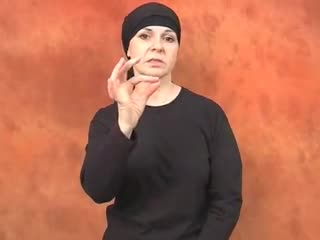
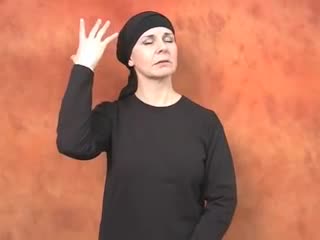
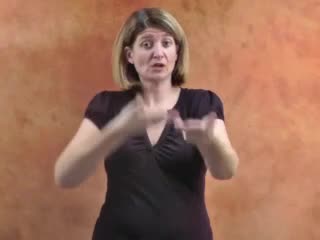
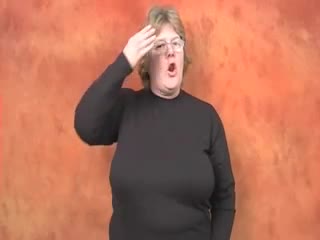
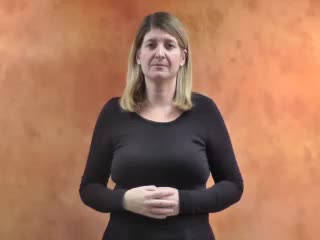
The BSL sign for live is a fundamental and frequently used verb, conveying the core concepts of existence, being alive, and residing in a place. It's a sign that speaks to presence and continuation. When you use it, you're not just indicating a state; you're often affirming an ongoing reality, whether it’s about a person's life, an animal's habitat, or simply where someone makes their home.
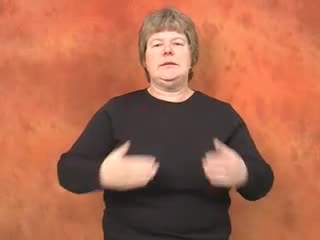
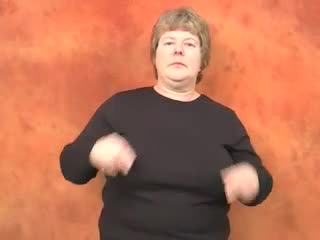
This sign carries a natural sense of uprightness and vitality. The upward motion of both hands from the chest area subtly suggests growth, flourishing, or the continuous spark of life. It’s a positive and neutral sign, adaptable to many contexts, from stating a simple fact like "I live in Scotland" to expressing the profound idea of "still being alive."
You’ll find this sign invaluable for discussing personal details, geographical locations, and the very concept of life itself. It establishes a strong anchor for conversations about people, places, and the continuous journey of existence. It’s a cornerstone sign for any BSL learner.
When This Sign Feels Natural
The BSL sign for live feels most natural in everyday conversations where you're talking about someone's place of residence. Imagine telling a new friend, "I live near the coast," or explaining, "My brother lives in Manchester." It's the go-to sign for stating where a person, an animal, or even a plant exists geographically. It’s direct, clear, and universally understood within the BSL community.
You'll also use this sign when discussing the state of being alive or surviving. For example, if someone asks about an elderly relative, you might sign "Yes, they are still live" (with an appropriate facial expression of affirmation). It can express perseverance, like "Despite everything, they continue to live." This general application makes it incredibly versatile in personal storytelling and factual communication.
While versatile, remember this sign is specific to the concept of existence or residence. It wouldn't typically be used for concepts like "live music," "live broadcast," or "live action," which often have distinct signs or lexicalisations in BSL that convey the idea of 'real-time' or 'unrecorded.' Always consider if you're talking about *existence* versus *present moment activity* before choosing this sign.
What Learners Usually Miss
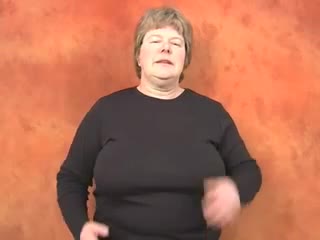
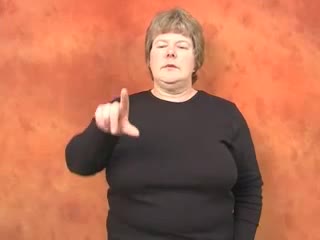
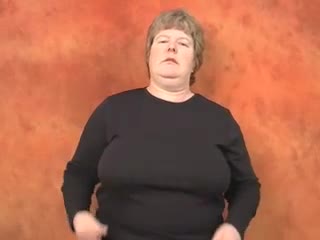
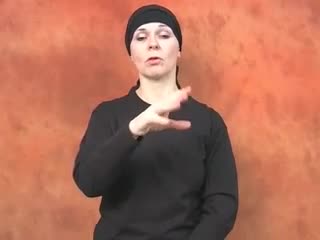
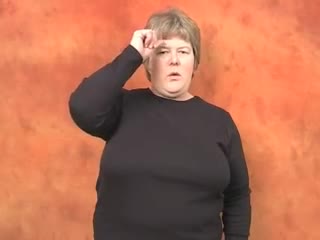
Many learners initially struggle with the consistent rhythm and precise repetition of the upward movement. It’s not a single, sharp upward flick, but rather a series of gentle, repeated lifts. Think of it less like a singular burst and more like a steady, continuous pulse, reflecting the ongoing nature of life. Ensuring both hands move in unison and maintain the G-handshape throughout is key; sometimes learners let one hand drop or change the finger extension.
Another common oversight is the exact placement and direction. The movement should originate from around your mid-chest and move upwards towards your upper chest/collarbone area, not out towards the sides or too high towards the face. The upward direction is crucial – it’s about life rising and continuing, not spreading horizontally or disappearing into the sky. Keep your hands relatively close to your body, maintaining that personal connection to the 'self' or 'being'.
Finally, learners sometimes forget that while the sign itself is constant, the accompanying facial expression can add significant nuance, especially when discussing "being alive." A neutral expression is fine for "I live in London," but a look of relief or determination would perfectly complement "They are still alive!" when conveying survival after hardship. Non-manual features are always essential for conveying the full message, even with a clear sign like this one.
A Simple Way to Remember It
To help solidify the BSL sign for live in your memory, try connecting its physical form to the concept of life itself. The upward, repeated motion from the chest area is very evocative.
* Imagine life *rising* or *growing* from within you, like a plant steadily reaching for the sun, symbolising continuous growth and existence.
* Think of the hands positioned near your heart, the vital organ that sustains life, with the repeated movement mimicking a steady, ongoing *heartbeat*.
* Consider the repetition as a symbol of *continuation* – life is not a single event, but a constant, ongoing process of being and enduring.
Short Practice Situations
- Practice signing "I live in Scotland now, but I used to live in England." to differentiate present and past residences.
- Try to express "My grandparents have lived in that house for over sixty years" to convey longevity and stability.
- Sign "It’s a beautiful day to be alive!" remembering to use an appropriately joyful facial expression.
- Imagine asking a new acquaintance, "Where do you live?" to practice the sign in an interrogative context.
- Describe a favourite animal by saying "Many foxes live in our local park," using the sign for their habitat.
Signs to Learn Next
- HOME: After learning where someone *lives*, it's a natural progression to talk about their *home*. This sign often shares a similar conceptual space and is frequently used in related discussions.
- FAMILY: Many people *live* with their family or talk about where their family *lives*. This sign creates a strong connection for discussing personal relationships and living arrangements.
- DIE or DEAD: Understanding the BSL sign for *live* creates a strong foundation for its direct opposite, *die* or *dead*, helping to solidify both concepts through contrast.
- GROW: The upward movement of the sign for *live* can conceptually link to *growth* and development, which are integral aspects of life itself, making this a logical next step.
- PLACE or WHERE: If you're talking about *where* someone lives, these signs naturally come into play to ask or specify locations, building on the residential aspect of "live."