What This Sign Means in BSL
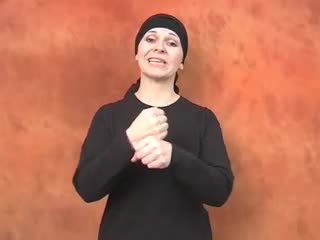
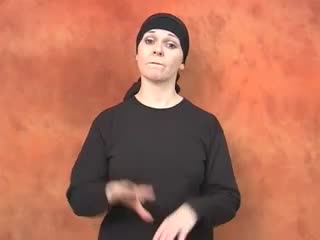
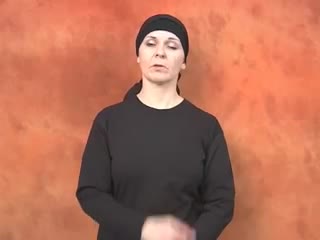
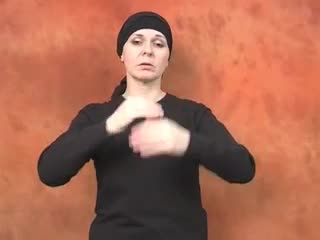
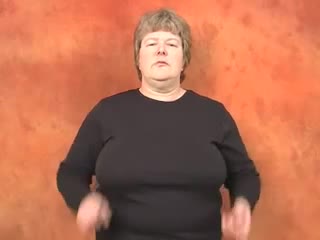
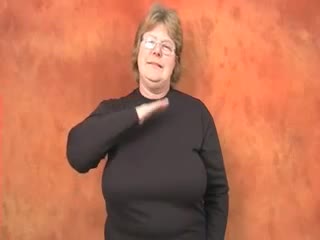
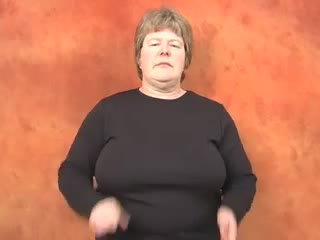
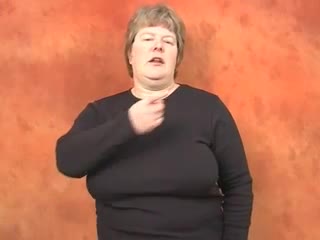
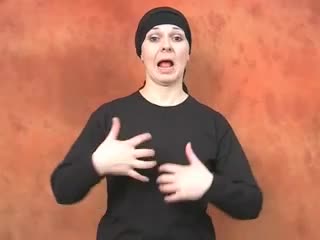
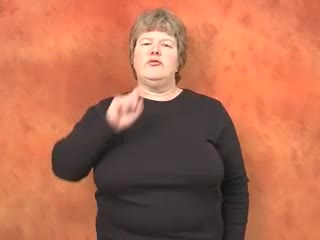
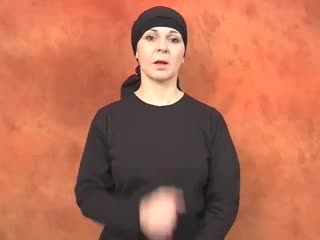
The BSL sign for active beautifully conveys a sense of continuous motion and engagement. With both hands held flat, fingers together, and moving alternately forward and back in front of your chest, it literally paints a picture of doing, moving, and participating. This isn't a static sign; it's dynamic, embodying the very essence of being 'active'.
It describes a state of being engaged, busy, or lively. Think of someone who is always on the go, or a discussion that is full of energy and participation. It's a versatile sign that can apply to people, events, or even concepts, always pointing to a state of dynamism and involvement rather than a passive state.
This sign feels inherently positive and forward-moving. It’s about energy being expended, whether physically or mentally, demonstrating a readiness to act or contribute. When you see this sign, you immediately get the impression of something that isn't dormant or passive, but rather vibrant and contributing to its environment or situation.
When This Sign Feels Natural
You'll find this sign feels perfectly natural when you're describing someone who loves to exercise, or a child who's always running around. It’s ideal for conveying physical activity: "My brother is very active in sports," or "The dog is always active in the garden." It fits whenever there's clear, consistent engagement.
Beyond the physical, the sign extends to mental and social engagement. You can use it to describe an "active" member of a community group, someone who takes an "active" role in a discussion, or even an "active" volcano. The common thread is participation, momentum, and a lack of passivity. It speaks to a continuous, ongoing state of doing, not just a one-off action.
However, be mindful of nuance. If you mean 'busy' in terms of having a lot to do, there's a different sign. If you mean 'energetic' in a more abstract, internal sense, other signs might be more fitting. "Active" specifically focuses on the demonstrated engagement and forward motion, making it distinct and powerful in its own right for describing a state of continuous involvement.
What Learners Usually Miss
One common pitfall for new learners is the tendency to make the movement too small or too stiff. The hands should move with a comfortable, flowing, alternate rhythm – not jerky, and not confined to a tiny space. Imagine your hands gently pushing air forward and then recovering, ready to push again. This continuous, smooth flow is what truly captures the essence of "active."
Another subtle point is the exact plane of movement. The hands should predominantly move forward and back from the chest, rather than purely up and down or side to side. While there's a natural slight upward curve as they move forward, the primary direction is horizontal. Maintaining this clear forward-and-back motion ensures the sign is unmistakably "active" and not confused with other similar signs.
Also, pay attention to your non-manual features. A neutral or slightly engaged facial expression is usually appropriate. Avoid a strained or overly enthusiastic expression unless the context specifically calls for it, like "I feel so active today!" A relaxed, natural face allows the movement of the hands to convey the meaning without distraction, letting the hands lead the message.
A Simple Way to Remember It
To cement the BSL sign for active in your memory, visualise the hands as constantly doing something, perpetually in motion. It's like your hands are simulating the very act of being active, propelling energy forward with each alternating movement.
- The "Pushing Forward" Motion: Imagine your hands gently pushing something forward, then recovering. This continuous, alternate push signifies ongoing activity and progress, much like how an active person contributes.
- Energetic Paws: Think of an energetic animal, like a dog, playfully batting at something or digging. Its paws are constantly moving, alternately engaging, much like the sign's motion and conveying a lively state.
- Constant Engagement: The flat B-hands are always ready, not clenched or passive, mirroring a readiness for engagement. The alternating movement shows that this engagement is continuous and not a one-off action, highlighting the 'active' state.
Short Practice Situations
- The children are very active during playtime at the park, always running and playing.
- I prefer to be active in the mornings; it helps me feel ready for the day ahead.
- Is your local community group active in organising events for everyone?
- After a long rest, the old factory became active again with new machinery and staff.
- She takes an active interest in environmental issues, always learning more and getting involved.
Signs to Learn Next
- ENERGETIC: This sign often complements "active," describing the feeling or quality of being active. You might sign "active, energetic person" to give more depth to the description.
- BUSY: While related, "busy" often refers to having many tasks or commitments, rather than just being in motion. Learning this helps you distinguish between simply doing a lot and being in a constant state of activity.
- WORKING: This sign is about engaging in labour or a job. Sometimes "active" can describe someone who is actively working, but "working" is more specific to employment or a particular task.
- PARTICIPATE/JOIN: If someone is "active" in a group, they are also likely to "participate" or "join" in its activities. This helps link the individual's role to the group's actions and contributions.
- EXERCISE: This is a direct consequence or form of being physically active. Learning this sign allows you to specify how someone is active, giving more detail to their physical engagement.