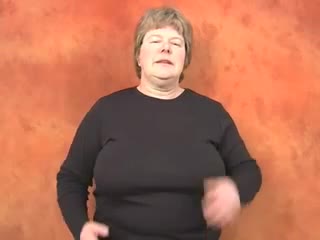
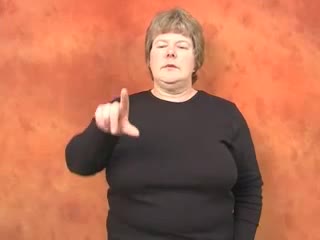
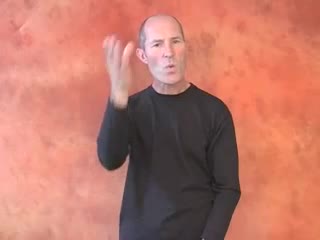
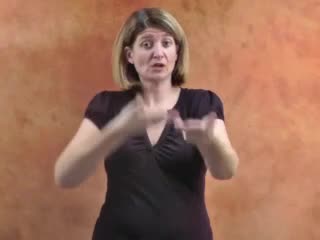
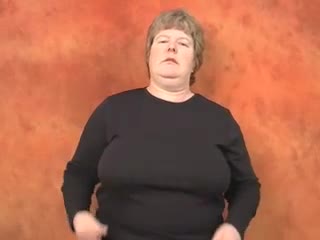
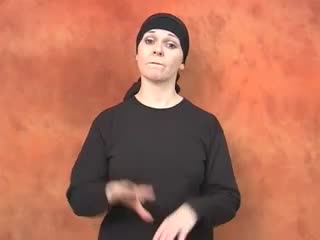
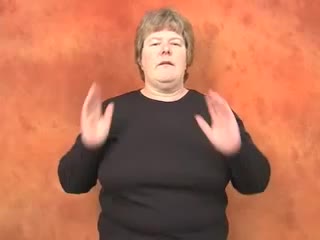
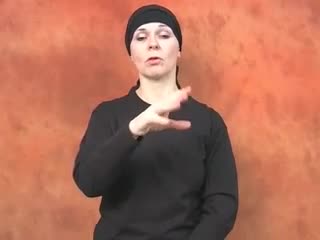
What This Sign Means in BSL
The BSL sign for Hello! is more than just a simple greeting; it’s a foundational cornerstone of British Sign Language communication. It’s the first step in acknowledging someone, inviting interaction, and establishing a friendly connection. While its meaning is straightforward, its usage carries a warmth and directness that is instantly recognisable within the Deaf community across the United Kingdom. It signals openness and a readiness to engage, making it an essential sign for anyone beginning their BSL journey.
Unlike some greetings that might have formal or informal variations, this BSL sign for Hello! is remarkably versatile. It serves as your go-to opener, suitable for a wide array of social contexts. Think of it as your primary handshake in the visual world of BSL – it’s polite, clear, and universally understood. Mastering this sign means you’re equipped with an immediate way to break the ice and show respect for the person you’re addressing, setting a positive tone for any interaction that follows.
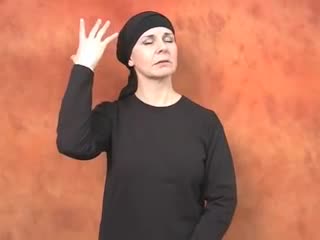
What makes this particular sign stand out is its clarity and the subtle implication of reaching out. The movement away from your head suggests an offering or an extension of your greeting towards the other person. It’s not just a declaration of "hello," but an active gesture of connection. This makes it a powerful and efficient way to initiate dialogue, whether you’re passing someone in the street or settling down for a longer conversation.
When This Sign Feels Natural
You’ll find this BSL sign for Hello! feels natural in almost any situation where you’d verbally utter "hello" or "hi" in English. It’s perfect for greeting a friend you bump into at the supermarket, acknowledging a colleague as you arrive at work, or saying hello to the person serving you at a cafe. Its universal appeal means you don't need to overthink the formality; it adapts easily from casual encounters to more respectful, initial introductions. It’s your standard, reliable greeting for nearly everyone.
Consider the context of meeting new people. When you’re introduced to someone for the first time, a clear and friendly "Hello!" sets a welcoming tone. It’s also suitable for addressing a group, perhaps by directing your sign generally towards them while maintaining eye contact with individuals. The key is that it’s an active gesture of recognition. If you see someone you know across a room, a simple signed "Hello!" can serve as a friendly wave, letting them know you’ve seen them without needing to shout or make a fuss.
However, there are times when you might choose an alternative or an additional sign. If you’re trying to specifically get someone's attention before a greeting, you might use a subtle hand wave or a gentle tap if appropriate, rather than solely "Hello!". For more time-specific greetings like "Good Morning" or "Good Evening," BSL has distinct signs that convey that added layer of information. While "Hello!" is always acceptable, these more specific greetings can sometimes feel even more natural depending on the time of day and the context.
What Learners Usually Miss
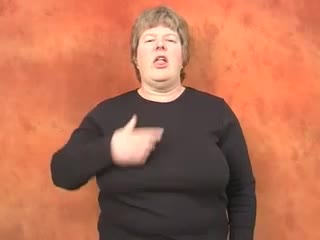
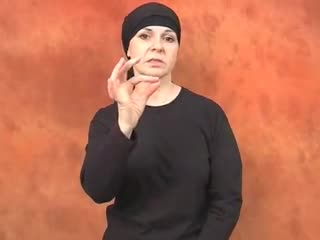
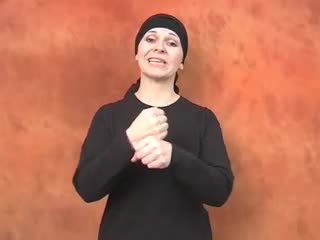
Many new learners, after watching the video, tend to miss the precise starting point and trajectory of the sign. They might initiate the sign from further away from the head, or make the movement too small and indistinct. The BSL sign for Hello! truly begins with your open hand near your temple or ear, before moving clearly and confidently outwards. It’s not just a general wave; it has a specific anchor point that gives it its recognised form. Ensuring your hand starts correctly makes the sign instantly clearer and more authentic.
Another common oversight is neglecting facial expression. A neutral or blank face accompanying "Hello!" can inadvertently make the greeting seem cold or perfunctory. In BSL, facial expressions are integral to conveying tone and emotion, and a warm, friendly smile or an engaged, welcoming expression truly completes this sign. Practice signing "Hello!" in front of a mirror and actively pair it with the kind of facial expression you’d use if you were verbally saying it to someone you’re happy to see. This small addition makes a huge difference in how your greeting is received.
Finally, learners sometimes rush the movement or repeat it. The sign is a single, fluid outward motion, not a quick flick or a repeated wave. Think of it as a smooth, deliberate extension of your greeting. If you perform it too quickly, it can lose its clarity, and if you repeat it, it might be misinterpreted as trying to get attention multiple times rather than a single, sincere greeting. Focus on a clear, unhurried outward movement that communicates your intent effectively and politely.
A Simple Way to Remember It
To help solidify the BSL sign for Hello! in your memory, try to connect its form to its function in a meaningful way. Visualise the gesture as a natural extension of your welcoming thoughts and intentions, moving outwards from your mind towards the person you are greeting.
- The starting point near your head: Imagine you're "pulling" the word "Hello!" directly from your thoughts or mind, ready to project it outwards. It’s a direct emanation of your greeting.
- The outward movement: Think of it as gently pushing or extending your greeting towards the other person, much like you'd extend your hand for a handshake, but in a visual, non-contact way.
- The open B-hand: This open, flat hand shape symbolises openness, honesty, and a lack of barriers. It’s an inviting gesture, showing you’re approachable and ready to communicate.
Short Practice Situations
- You’re walking into your BSL class and see your teacher and classmates already there. Sign "Hello!" to acknowledge them as you enter the room.
- You spot a friend across a busy park. Catch their eye, give a friendly smile, and sign "Hello!" to let them know you’ve seen them.
- Approaching a shop assistant to ask for help, you make eye contact. Before asking your question, sign "Hello!" as a polite opening.
- Your neighbour is gardening in their front garden. As you pass by, offer a warm smile and sign "Hello!" to acknowledge them.
Signs to Learn Next
- Goodbye: Learning the counterpoint to "Hello!" is logical and essential. These two signs often go hand-in-hand to frame an interaction.
- How Are You?: After saying "Hello!", it's natural to inquire about someone's well-being. This sign follows seamlessly to continue the conversation.
- My Name Is...: Once greetings are exchanged, introducing yourself is a common next step. This sign allows you to share your identity.
- Nice to Meet You: This polite expression is a perfect follow-up when you're introduced to someone new after signing "Hello!" and sharing names.
- Thank You: Politeness is key in BSL. Learning "Thank You" next means you can express gratitude after any interaction that began with "Hello!".