What This Sign Means in BSL
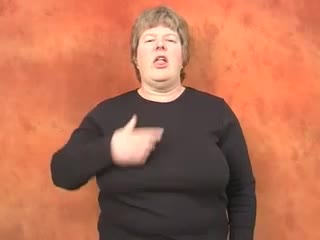
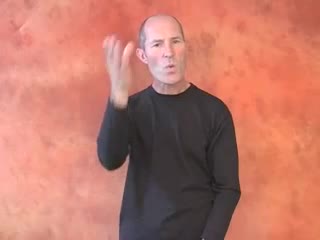
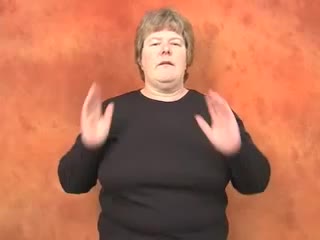
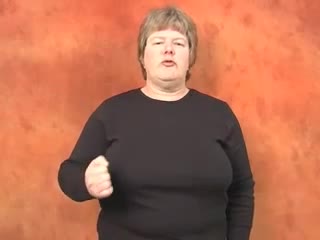
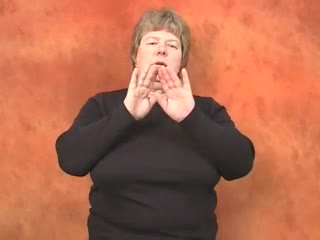
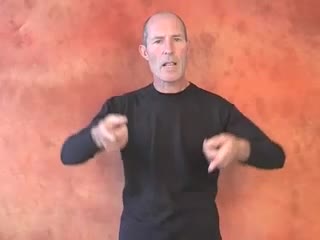
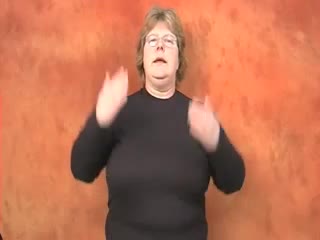
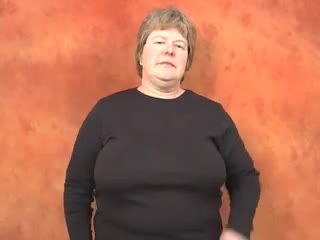
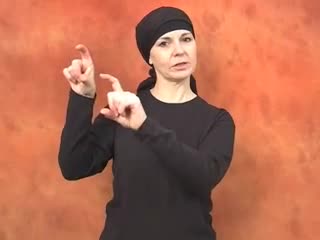
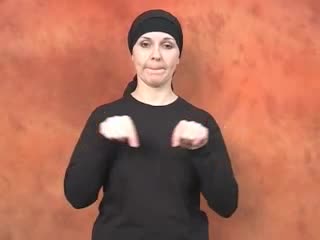
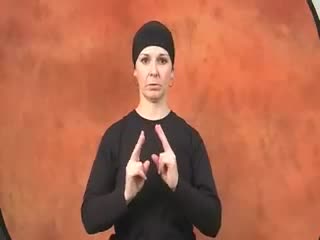
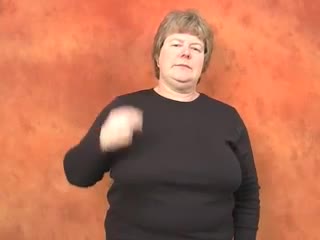
The BSL sign for sledgehammer is a wonderfully direct and iconic representation of the tool itself and the powerful action associated with using it. It's not just about showing the object; it's about embodying the force and effort required. When you see this sign, you should immediately feel the weight and the impact of a heavy blow, rather than a gentle tap or a light tap. It captures the essence of a tool designed for breaking, demolishing, or driving in large, stubborn objects.
This sign stands out because it's a strong, two-handed movement that really illustrates the physical exertion involved. Unlike many signs that might be more abstract, this one truly "shows" the tool in action. The robust, controlled arc isn't just a gesture; it's a visual echo of someone swinging a sledgehammer with intent and purpose, making it quite memorable once you understand its full context.
When This Sign Feels Natural
You'll find yourself naturally using the BSL sign for sledgehammer in conversations about construction, heavy-duty DIY projects, or any scenario involving significant manual labour and demolition. Imagine describing a building project where an old wall needs to come down, or talking about clearing out a stubborn concrete slab; this sign fits perfectly. It's a practical sign for practical contexts, often used when discussing tools, materials, or the process of breaking things apart.
This sign is at home in both casual conversations among friends working on a renovation and more formal discussions within a professional trade context. It conveys a clear, unambiguous message about a specific tool. However, if you're discussing general "hitting" or "breaking" without the specific tool in mind, you might opt for a more generic sign for those actions. The power of this particular sign lies in its specificity to the sledgehammer.
What Learners Usually Miss
A common pitfall for learners with the BSL sign for sledgehammer is underestimating the sheer force and commitment the sign requires. Many people might execute the handshape and movement correctly but miss the crucial element of *power*. The sign isn't just a gentle arc; it's a decisive, weighty strike. Your facial expression and body language should reflect the effort and impact involved – think determined brows, perhaps a slight tensing of the shoulders, as if you're truly putting your strength into the swing. Without this, the sign can look weak or generic, losing its specific meaning.
Another subtle but important detail is ensuring both hands move as a single, unified unit throughout the entire movement. Imagine your hands are firmly gripping the long handle of the sledgehammer; they shouldn't separate or move independently. The arc needs to be broad and deliberate, starting high above the head or shoulder and coming down forcefully to waist or hip level. A hesitant or abbreviated movement won't convey the full meaning of a powerful tool designed for heavy work. Practice making the movement fluid, strong, and intentional, just like a professional swinging the real thing.
A Simple Way to Remember It
To really lock in the BSL sign for sledgehammer, think about the most distinctive aspects of the tool and its use. It’s heavy, it’s swung with two hands, and it creates a powerful impact. The sign visually captures all of this, making it quite intuitive.
- Two-Handed Grip: Your tight fists mimic grasping a thick, heavy handle. Remember, a sledgehammer isn't a one-handed tool; this sign immediately tells you it's something substantial.
- Powerful Arc: The large, downward sweeping motion directly illustrates the action of swinging a heavy tool to strike something with force. Picture the arc of the hammer head.
- Effortful Expression: Connect the physical exertion of using a sledgehammer to your face. A determined or focused expression will instantly convey the power and weight of the tool, cementing the sign in your memory.
Short Practice Situations
- We'll need a sledgehammer to break up that old concrete patio before we can lay new slabs.
- The demolition crew used a sledgehammer to carefully knock down the non-load-bearing wall.
- Can you grab the sledgehammer from the back of the van, please? I need to loosen these fence posts.
- Be mindful of your grip and swing when using a sledgehammer; safety is always paramount with heavy tools.
- I watched a video of someone expertly using a sledgehammer to split logs with surprising ease.
Signs to Learn Next
- HAMMER: While similar in category, learning "hammer" highlights the difference in size, typical usage, and the one-handed versus two-handed action, clarifying the specific power of a sledgehammer.
- BREAK / DEMOLISH: These signs describe actions that are frequently performed with a sledgehammer. Understanding them together provides a richer context for when and why a sledgehammer might be used.
- BUILDING / CONSTRUCTION: The broader environment where sledgehammers are commonly found. Learning these signs helps place the tool within its typical workplace context.
- TOOL: This general category sign helps you classify "sledgehammer" as a specific type of implement, useful for broader discussions about equipment.
- STRONG / POWERFUL: These adjectives often describe the qualities of a sledgehammer or the person using it. Connecting them helps you express the inherent nature of the tool.