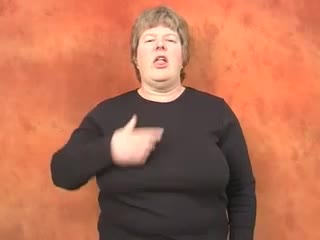
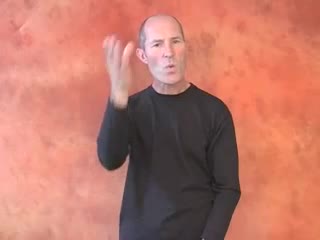
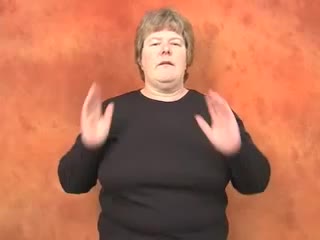
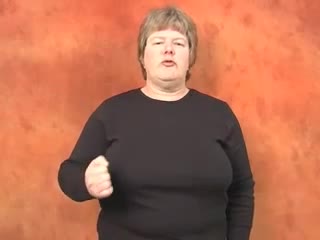
What This Sign Means in BSL
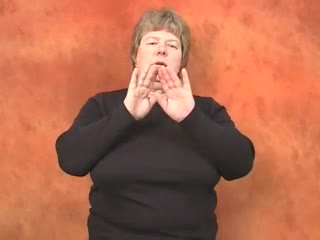
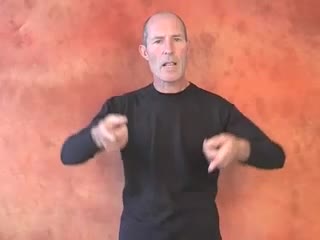
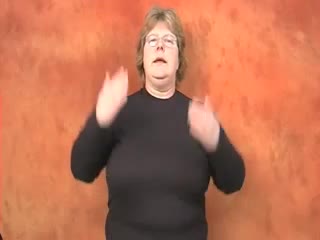
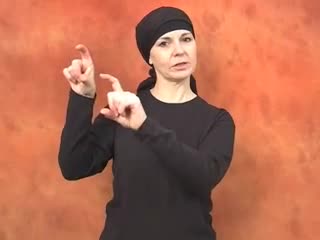
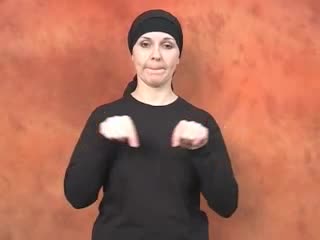
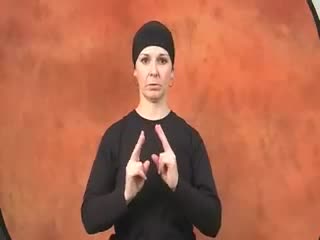
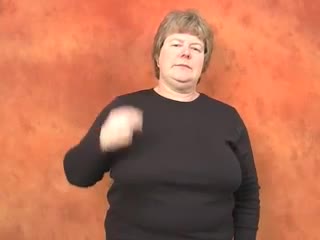
The BSL sign for pencil is wonderfully iconic, meaning it visually represents what it describes. When you see it, you're essentially watching a miniature portrayal of someone holding and using a pencil. This makes it one of those signs that often clicks quickly for learners, as its meaning is embedded right into its form. It's a foundational noun in BSL, used whenever you need to specifically refer to this common writing tool.
Unlike a general sign for "writing instrument," this sign is precise. It doesn't just convey the idea of something you write with; it distinctly specifies the humble pencil. This precision is a hallmark of effective BSL communication, where choosing the right sign can significantly enhance clarity and understanding, ensuring your audience knows exactly which item you're referring to, whether it’s a drawing pencil, a school pencil, or an office pencil.
What makes this sign particularly notable is its blend of simplicity and specificity. While the movement itself is straightforward, the exact handshapes and location are critical for it to be recognized as the BSL sign for pencil, rather than just a general mime. It’s a great example of how BSL leverages visual representation while maintaining a structured linguistic form, ensuring consistency across the signing community in the UK.</
When This Sign Feels Natural
You’ll find yourself using the sign for "pencil" in countless everyday scenarios. It's completely natural when you're in a school setting, asking a classmate to borrow one, or when you're at home, needing to jot down a quick note. Imagine you're helping a child with their homework, or perhaps sketching an idea – in all these situations, this sign flows seamlessly into conversation to identify the specific tool you're talking about.
This sign maintains a neutral register, making it appropriate for a wide range of audiences, from formal educational environments to casual chats with friends. It's a direct and unambiguous way to communicate your need or reference for this particular stationery item. If you’re discussing office supplies, school materials, or even describing a drawing, using the specific sign for "pencil" adds clarity to your BSL communication.
However, it’s important to remember its specificity. If you're referring to a different writing tool, like a pen, you wouldn't use this sign. Similarly, if your focus is on the *act* of writing itself rather than the instrument, you'd likely opt for the BSL sign for "write." The sign for "pencil" shines when the object itself is the central point of your message, differentiating it from other implements or actions.
What Learners Usually Miss
One common pitfall for new learners is getting the dominant handshape just right. The BSL sign for pencil requires your dominant hand to form a clear G-hand – that's your index finger extended and relatively straight, with your thumb alongside it, almost as if you're delicately gripping a real pencil. Learners sometimes use a more open or generic 'holding' handshape, which can make the sign less clear or even resemble other signs. Focus on that precise G-hand, ensuring your index finger is doing the 'writing'.
Another crucial detail often overlooked is the specific combination of location and movement. This isn't just a generic 'writing in the air' motion. The dominant hand performs small, repeated downward strokes precisely on the non-dominant palm, which should be held flat and palm-up (a flat B-hand). The non-dominant hand acts as your 'paper'. Missing either the specific location or the small, repeated nature of the strokes can make the sign less recognizable. It’s those subtle, deliberate movements against a stable 'surface' that convey the meaning effectively.
Finally, learners sometimes confuse the noun "pencil" with the verb "to write." While both signs share a similar core movement, the full context and subtle nuances differentiate them. The sign for "pencil" is about the *object*, the tool itself, often a more contained and descriptive action. The sign for "write" (verb) can sometimes involve a slightly broader movement or be part of a sentence structure that clearly indicates an action. Pay attention to the intent behind your sign – are you identifying the object, or describing the action being performed?
A Simple Way to Remember It
The sign for pencil is incredibly intuitive once you break it down, as it directly mimics the action of using the object. Think of it as a mini-performance of writing with a pencil.
- Handshape: Your dominant hand forms a G-hand, which perfectly represents the natural grip you'd use to hold a pencil.
- Location: Your non-dominant hand, held flat and palm-up, serves as the "paper" or surface you're writing on.
- Movement: The small, repeated downward strokes are exactly what you do when you write with a pencil, putting lead to paper.
Short Practice Situations
- I need a pencil to fill out this form; mine has run out of lead.
- Could you please pass me that pencil? I want to make a quick sketch.
- My younger sibling always asks for a new pencil when theirs gets too short to hold.
- The teacher asked everyone to put away their pens and only use a pencil for the drawing exercise.
- Do you prefer to use a mechanical pencil or a traditional wooden one for your notes?
Signs to Learn Next
- WRITE (verb): This is a natural progression, as the pencil is the tool for writing. Understanding the verb helps differentiate it from the noun.
- PEN: Learn this sign to clearly distinguish between two very common writing instruments. They share some conceptual similarity but have distinct BSL forms.
- PAPER: Often, when you use a pencil, you're using it on paper. Learning this sign helps build phrases and sentences about stationery.
- SCHOOL: Pencils are ubiquitous in schools. Knowing this sign allows you to talk about educational contexts where pencils are frequently used.
- DRAW: Many people use pencils for drawing. Learning this verb expands your ability to discuss creative activities involving a pencil.