What This Sign Means in BSL
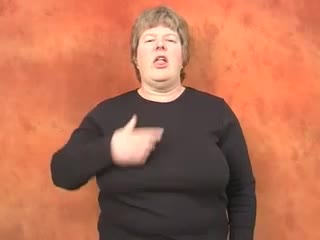
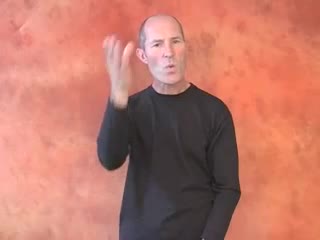
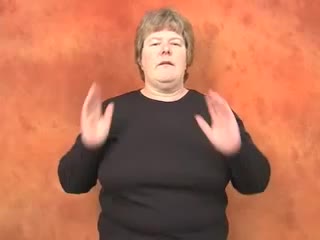
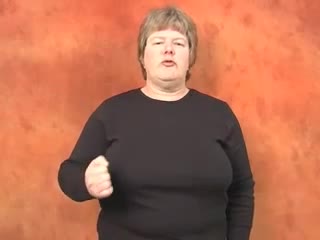
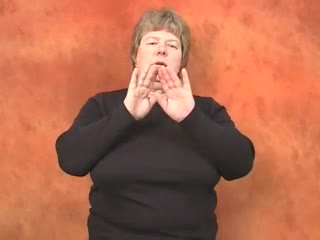
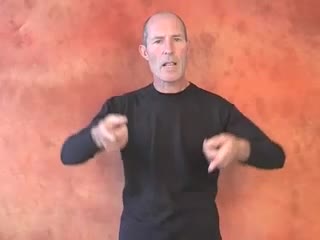
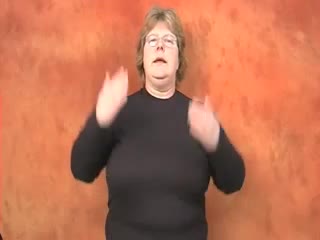
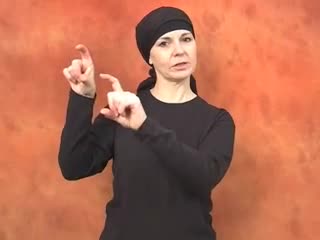
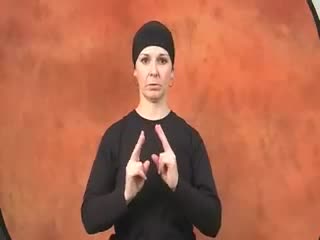
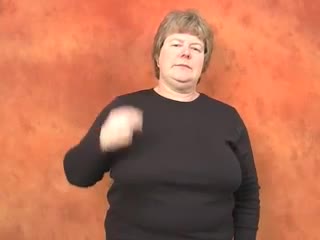
The BSL sign for tongued and grooved timber is wonderfully iconic, directly mirroring the very structure it describes. When you perform this sign, you're not just conveying "wood" or "a plank"; you're specifying a particular method of joining timber that creates a strong, interlocking surface. Your dominant hand, shaped like a G-hand with your index finger extended, acts as the "tongue," while your non-dominant hand, forming a C-hand, represents the "groove."
This sign stands out because it visually explains the function of the material. The deliberate movement of the dominant index finger sliding smoothly into and along the non-dominant C-hand perfectly illustrates how one piece of tongued and grooved timber fits snugly into another. It’s a sign that speaks to precision and craftsmanship, immediately conveying the interlocking nature of the material to anyone familiar with construction or DIY.
Understanding this sign means appreciating its specificity. It’s a clear, unambiguous way to communicate about this particular type of building material, making it invaluable in contexts where detailed descriptions of timber joints are necessary. You'll find it incredibly useful for clearly distinguishing this kind of timber from other types of wood or joinery in a conversation.
When This Sign Feels Natural
You'll find this sign feels most natural and indispensable when discussing specific building projects, carpentry details, or home renovations. Imagine you’re at a DIY store, chatting with a fellow Signer about floorboards, wall cladding, or a shed construction – this sign is your go-to for making sure everyone understands exactly which type of timber you mean. It’s precise enough for professionals, yet visually intuitive for anyone engaging with building materials.
The register for this sign leans towards the practical and technical. It's not a sign you'd typically use in a casual chat about the weather, but it’s perfectly at home when you’re talking about the integrity of a structure or the aesthetic finish of a room. Your audience might include other carpenters, architects, builders, or even enthusiastic hobbyists who appreciate the nuances of different materials. It helps avoid lengthy explanations when a visual sign can do the job instantly.
While versatile within its domain, remember this sign specifies a *joint type*. If you simply mean generic "wood" or "timber," there are other, more general BSL signs available. This sign is chosen when the interlocking mechanism itself is relevant to the discussion, perhaps when comparing different types of flooring or wall panels, highlighting the benefits of a seamless, strong connection.
What Learners Usually Miss
One common oversight learners make with the BSL sign for tongued and grooved timber is the emphasis on the *sliding* movement. It’s not just a static placement; the dominant index finger needs to slide smoothly and consistently along the non-dominant C-hand, mimicking the way timber boards are fitted together. A jerky or incomplete movement can obscure the meaning, making it look like a generic "insert" rather than the specific, interlocking "tongue and groove" action. Practice making this movement fluid and deliberate.
Another subtle point often missed is the precise orientation and relationship between the hands. The non-dominant C-hand should truly form a "groove" that the dominant G-hand's "tongue" fits into. Sometimes learners might hold their C-hand too flat or too closed, not creating enough space for the G-hand to comfortably slide. Ensure your C-hand is open enough to clearly represent a slot, and that your dominant index finger is truly *entering* and then *gliding* within that space, not just touching the surface.
Finally, learners occasionally overuse this sign, applying it to any piece of wood. It's crucial to remember its specificity. This sign isn't for a simple block of wood or a plain plank; it's for timber specifically prepared with a tongue and a groove for interlocking. If the joint isn't the key detail, consider using a more general sign for "wood" or "timber" to maintain clarity and avoid miscommunication. This sign is powerful precisely because it's so specific.
A Simple Way to Remember It
Remembering the BSL sign for tongued and grooved timber becomes incredibly easy when you connect its form directly to its function. Think of the sign as literally showing you how the timber pieces fit together, making it one of the most visually descriptive signs in BSL. The hands become the timber itself, demonstrating the unique joint.
- Visual Analogy: Picture your dominant G-hand's extended index finger as the "tongue" of a wooden board, ready to slot into another. Your non-dominant C-hand is the waiting "groove" on the adjacent board.
- Movement as Fitting: The smooth, linear slide of your "tongue" into your "groove" is exactly how a carpenter would fit these boards together. It's a direct depiction of the joining process.
- Practical Connection: Imagine yourself installing floorboards or wall panels. You push one board's tongue into the next board's groove and slide it along to secure it. The sign is that action, distilled.
Short Practice Situations
- We need to order more tongued and grooved timber for the new garden shed walls; the current supply isn't enough to finish the project.
- The carpenter demonstrated how tongued and grooved timber creates a very strong and seamless floor surface, preventing gaps between boards.
- Have you seen the beautiful ceiling cladding in the renovated cottage? It’s all made from natural wood, using expertly fitted tongued and grooved timber.
- I'm thinking of building some bespoke furniture, and I believe tongued and grooved timber would provide the ideal stability and finish for the panels.
Signs to Learn Next
- WOOD / TIMBER (general): It’s essential to know the general sign for wood to distinguish it from the specific "tongued and grooved" type. This helps you speak broadly about the material before diving into specifics.
- PLANK / BOARD: As tongued and grooved timber often comes in plank or board form, learning this sign will allow you to specify the shape and cut of the wood you're discussing.
- BUILD / CONSTRUCT: This broader sign provides the essential context for why you might be using tongued and grooved timber in the first place, allowing you to discuss the entire process of creating something.
- MEASURE: Working with any timber, especially for precise fitting, always involves measuring. This sign is a practical companion, enabling you to talk about preparing materials.
- JOIN / CONNECT: Since the core of "tongued and grooved" is about joining, understanding the general sign for "join" or "connect" will help you articulate the broader concept of fitting things together, beyond just timber.