What This Sign Means in BSL
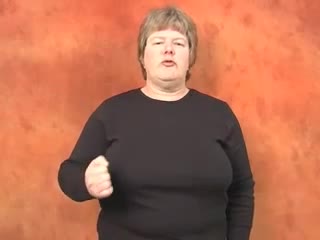
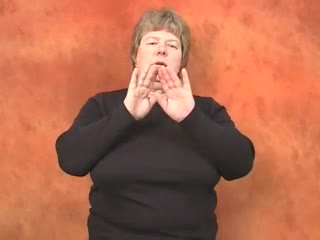
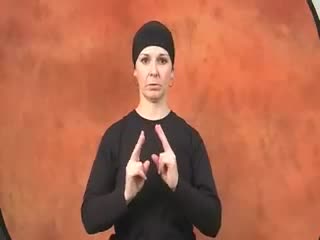
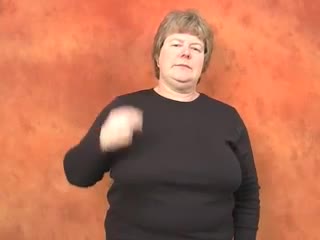
The BSL sign for sawdust is beautifully descriptive, telling a story with your hands about both the process and the end product. It's a compound sign in essence, combining two distinct yet fluid movements. First, you'll show the action of sawing, and then immediately transition to representing the fine, particulate nature of the dust itself. This visual narrative makes it a very intuitive sign once you understand its components.
The sign itself is quite iconic, drawing directly from the real-world experience of working with wood. The non-dominant hand, held flat and steady, acts as the piece of wood being worked on. Then, the dominant hand performs the action of cutting, followed by a gesture that evokes the scattering or fine texture of the resulting dust. It’s a clear example of how BSL often mirrors physical reality to convey meaning, making it incredibly effective for visual learners.
You'll notice this sign conveys not just "dust made of wood" but specifically the *fine particles* that result from cutting or sanding. It clearly differentiates itself from a more general sign for 'dust' by anchoring its meaning in the material (wood) and the action (sawing), giving it a precise and unmistakable context within a conversation.
When This Sign Feels Natural
This sign feels most natural in contexts where you're discussing woodworking, carpentry, DIY projects, or even specific types of industrial settings. Imagine you're in a workshop, describing the mess after a big cutting job, or explaining how to clean up a workspace. It's perfect for practical conversations about materials, cleanliness, or the by-products of construction. Your audience will likely be other people involved in or familiar with these types of hands-on activities.
You'd use this sign when the specific origin of the dust – from wood – is important to the conversation. For instance, if you're talking about health and safety in a workshop, you might sign "SAWDUST CAN BE DANGEROUS TO BREATHE." Or perhaps you're explaining how to dispose of it, "WE NEED TO BAG UP THE SAWDUST." It sits comfortably in an informal to semi-formal register, suitable for everyday explanations and instructions.
While "sawdust" is quite specific, there might be times when a more general sign for 'dust' is sufficient if the wood origin isn't crucial. However, if you want to be precise – perhaps distinguishing it from metal filings or general household dust – then this specific sign is exactly what you need. It ensures clarity and avoids any ambiguity, which is always a sign of confident and skilled BSL communication.
What Learners Usually Miss
One common oversight for learners is not fully articulating both distinct parts of the sign. They might either rush the 'sawing' motion or make the 'dust' flick too vague. Remember, the sign isn't just a single blended action; it's a clear sequence. You need a solid, clear "S-hand" sawing motion on the non-dominant "B-hand" (representing the wood) first, followed by a definite transition to the "F-hand" and its flicking or rubbing motion to show the fine particles. The transition between these two phases needs to be smooth but also clearly defined.
Another subtle point often missed is the role of the non-dominant hand. It's not just a passive placeholder; it clearly establishes the 'wood' base against which the 'sawing' action takes place. Some learners might let their non-dominant hand droop or become indistinct. Keeping it flat and steady provides the crucial context for the sign, making it instantly recognisable as wood being cut. Without this solid foundation, the sign can lose some of its immediate clarity.
Finally, pay attention to the location and movement for the 'dust' part. After the sawing, the dominant hand moves slightly away from the non-dominant forearm, and the "F-hand" performs small, light, almost ephemeral flicking or rubbing movements. This isn't a strong, forceful action, but rather one that conveys lightness and scattered particles. Overly large or forceful movements here can make it look like 'shaving' or 'scraping' rather than fine dust. Practice the delicate, almost 'sprinkling' feel of this second movement to truly capture the essence of sawdust.
A Simple Way to Remember It
Thinking about the practical process of woodworking can really help this sign stick. It's a sign that literally shows you what's happening. Imagine you're holding a piece of wood and cutting it, and then seeing the fine dust that falls away.
- The "Act of Sawing": Your dominant hand starts with an S-handshape, making a back-and-forth motion on your non-dominant flat B-hand. This is the wood being cut.
- The "Fine Particles": Immediately after the sawing, switch your dominant hand to an F-handshape. Make small, light flicking or rubbing motions near where the sawing just happened. This visually represents the tiny, scattered sawdust.
- Cause and Effect: The sign beautifully illustrates the cause (sawing wood) and the effect (creating fine dust). If you connect these two ideas, you'll always recall the sign's structure.
Short Practice Situations
- "My workshop always has a lot of sawdust after I've been cutting wood, it gets everywhere!"
- "Be careful not to inhale too much sawdust when you're sanding, it's not good for your lungs."
- "We need to sweep up all the sawdust before we paint this room, otherwise it will get stuck in the paint."
- "Some people use sawdust as bedding for their small pets, but you have to make sure it's safe."
- "That new saw creates very fine sawdust, it's almost like powder and is hard to clean up completely."
Signs to Learn Next
- WOOD: This is a foundational sign. Understanding 'wood' (often a B-hand on the non-dominant forearm, sometimes with a 'chopping' motion) will help reinforce the non-dominant hand's role in 'sawdust'.
- SAW (verb/tool): Directly related! The first part of the 'sawdust' sign is essentially the action of sawing. Learning the specific sign for the tool or the verb will strengthen your understanding of this initial movement.
- DUST: While 'sawdust' is specific, learning the more general sign for 'dust' will help you appreciate the nuances and specificity of the 'sawdust' sign when you need to distinguish it.
- CARPENTER / WOODWORKER: These are the people who often create sawdust! Learning these related professions will provide context and expand your vocabulary in the same semantic field.
- WORKSHOP: A common location where sawdust is found. Knowing 'workshop' or 'factory' creates a natural scenario for using the 'sawdust' sign in conversation.