What This Sign Means in BSL
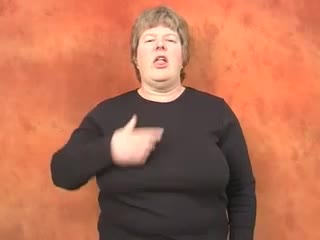
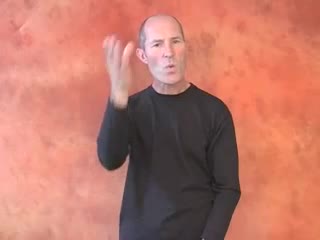
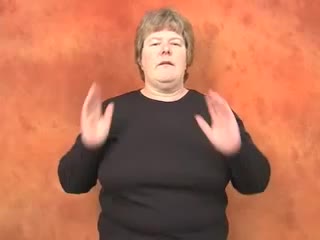
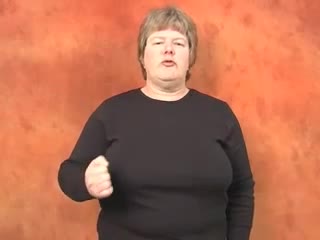
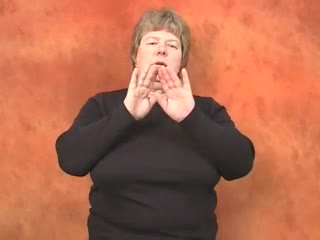
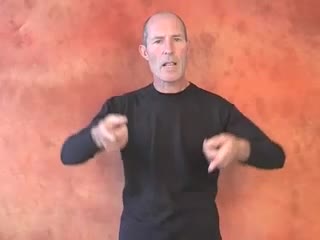
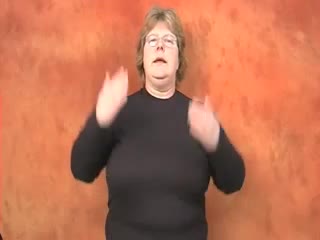
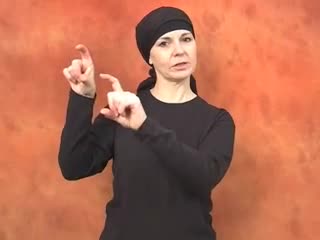
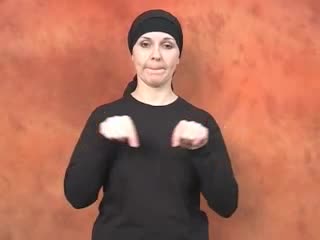
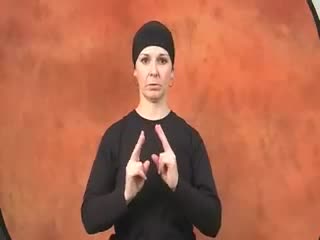
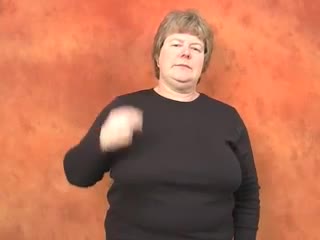
The BSL sign for detached house is a clear and direct visual representation of a standalone dwelling. It uses both hands, forming fists with thumbs alongside fingers, to depict a distinct, separate structure. This sign isn't just about showing a house; it specifically highlights its isolation, standing apart from other buildings. Think of it as outlining the unique boundaries of a single, independent home.
You'll notice the movement of your hands moving up and out, then inwards at the top. This action effectively sculpts the space a detached house occupies, suggesting its walls rising and then perhaps the slope of its roof or the enclosure of its upper structure. It’s a very descriptive sign that gives the person you're signing to an immediate sense of the property's layout and its singular nature, making it easy to distinguish from other housing types.
When This Sign Feels Natural
This sign feels most natural when you need to be precise about the type of property someone lives in or is looking for. If you're discussing real estate, describing your dream home, or even talking about a specific location, using "detached house" adds a layer of clarity that a general sign for "house" just can't provide. It's particularly useful in conversations about property markets, architectural styles, or when giving directions involving specific types of homes.
You’d use this sign when the distinction between a detached, semi-detached, or terraced property is important to the context. For instance, if you're explaining why a particular house has a large garden or more privacy, the fact that it's detached is key. Conversely, if the specific type of house isn't relevant – say, you're just referring to someone's general abode – a simpler sign for "house" or "home" might be more appropriate. Always consider the information your audience truly needs.
What Learners Usually Miss
A common pitfall for learners is not fully articulating the 'up and out' movement or making the 'inwards at top' movement too small or indistinct. This sign relies on the full, clear movement to convey the sense of a complete, separate structure. If the movement is too subtle, it can lose its descriptive power and might be confused with a more general sign for a building or even a 'box-like' shape. Ensure your hands clearly define the space, extending upwards and outwards with purpose before bringing them in.
Another area where learners sometimes falter is in differentiating this sign from other similar housing signs. The key here is the separation. For a detached house, your hands start relatively close but move distinctly apart as they rise, emphasising its standalone nature. Practice making this separation clear and pronounced, as it's the core visual cue that distinguishes it. Your facial expression for a noun like this is typically neutral, but remember to let your face reflect the emotion of the sentence you're signing, for example, if you're describing a beautiful detached house, let your face show that appreciation.
A Simple Way to Remember It
Think of the sign for "detached house" as visually drawing the distinct shape of a house that stands by itself. Your hands become the outlines, clearly defining its space and independence. It's like you're creating a little diagram of a single house in the air, emphasising its separation from any neighbours.
- Imagine your fists marking the base of the house, then rising and spreading out to show the walls extending outwards, unattached to any other structure.
- The final inward movement at the top can represent the roofline closing in, or simply the overall enclosure of a single, complete building.
- The fact that it's performed in neutral space, away from your body, further reinforces the idea of something standing alone and distinct.
Short Practice Situations
- "My grandparents live in a beautiful detached house with a large garden and plenty of space for visitors."
- "Are you hoping to find a detached house when you move, or would a semi-detached suit your needs?"
- "The new estate has mostly terraced houses, but there are a few larger detached properties available if you prefer."
- "We drove past an amazing old detached house on the hill; it looked like it had a fascinating history."
Signs to Learn Next
- House (general): This is the broader term for any dwelling and is a great foundation to build on, helping you understand the nuance of "detached house."
- Semi-detached house: Learning this sign next will directly highlight the distinction and shared wall concept, solidifying your understanding of housing types.
- Terraced house: Completing the common UK housing types with this sign allows you to discuss entire neighbourhoods and property developments with greater ease.
- Flat/Apartment: This introduces a completely different living arrangement, expanding your vocabulary for urban dwellings.
- Garden: Detached houses often come with gardens, making this a very natural and useful sign to learn in conjunction.