Speed
0
Practice reps times watched

Create a free account to keep your watch history and review plan.

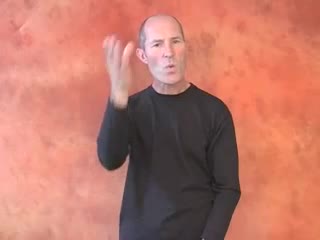
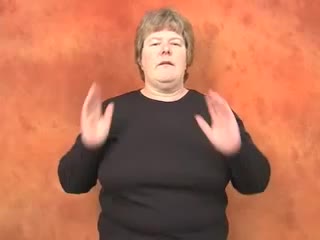
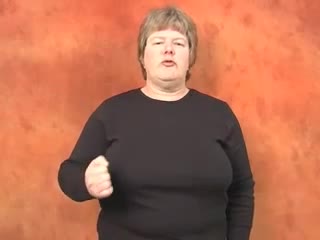
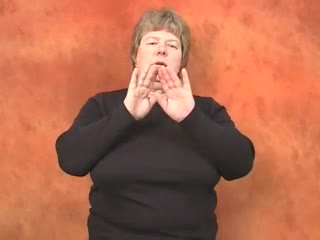
Best practice Use mirror mode, then watch the frame breakdown below to catch the start, movement, and finish cleanly.
Video via SpreadTheSign  - Free educational resource BSL
Updated April 20, 2026
🌱 Level 1 BSL Starter
🔥 0d +0 XP
0 XP 50 XP to Level 2
British Sign Language (BSL) 🟢 Beginner 📊 B1 ⚡ Common Noun

woven fabric

A material made by weaving threads together

Source-linked video Step-by-step guide Context and safety notes
Synonyms
CLOTH TEXTILE MATERIAL
Difficulty
Not rated yet

Create a free account to save this sign, keep your watch history, and unlock a one-note journal preview.

How to sign it
Handshape
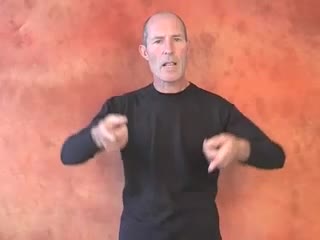
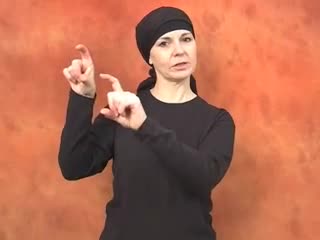
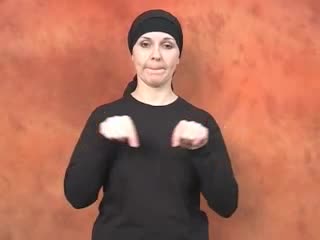
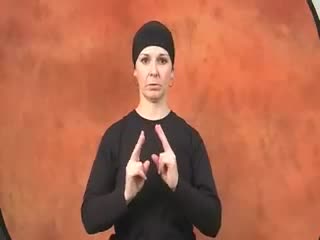
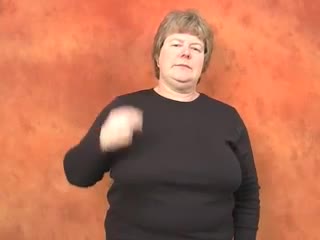
Dominant hand: thumb, index, middle fingertips touch, others extended. Non-dominant hand: flat B-hand
Location
Non-dominant forearm
Movement
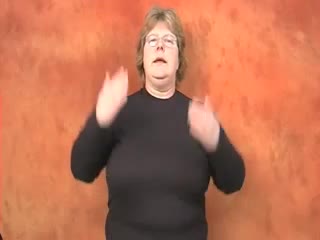
Dominant hand brushes gently and repeatedly along non-dominant forearm
Palm Orientation
Dominant hand palm faces non-dominant forearm. Non-dominant palm up
Facial Expression
Neutral facial expression
Review mode

Remember this sign faster

Free account
0 Queued
0 Due now
0 This week

Create a free account to save this sign and keep your first review preview. Upgrade when you want full spaced repetition, saved notes, and compare mode.

  • Save this sign to a comeback list you can actually revise from.
  • Keep private journal notes and memory tricks beside each sign.
  • Practice hard signs more often and easy ones less often.
  • Compare similar signs side by side instead of guessing.

Membership sits underneath the learning tools, not in front of them. Free gets you started. Paid turns your saved signs into a real long-term revision system.

Your Progress Live tracking
This sign Not learned yet
0 watches
How well do you know this sign?
0 Signs seen
0 Learned
0 All Sign Watches
0 Day streak

Watch signs to see your history here

Tracking locally for now. Create a free account to save your progress, your first journal note, and this sign.
Free gets you started. Paid adds the repeat-learning layer: review queues, deeper notes, compare mode, and better comeback tools.
My Sign Journal
Personal notes, saved to your account forever
Locked

Write memory tricks, usage examples, and cultural reminders beside each sign. Create a free account to unlock your first saved note preview on this page.

Create free account Already have an account? Log in

What This Sign Means in BSL

The BSL sign for woven fabric vividly captures the essence of the material itself. It's not just a label; it's a tactile representation, as if you're feeling the texture and structure of a piece of cloth. This sign specifically refers to materials created by interlacing threads, distinguishing it from knitted fabrics or other types of textiles. You'll use it to talk about the physical stuff that makes up clothes, upholstery, or other items, rather than the finished product or the act of making it.

Think of this sign as a nod to the craftsmanship and inherent properties of fabric. The gentle, repetitive movement subtly suggests the process of weaving or the sensory experience of running your hand over a textured surface. It’s a foundational sign for anyone discussing materials, sewing, design, or even just describing the clothes they’re wearing in terms of their composition.

Its core meaning is straightforward: any material that has been woven. This could range from fine silk to sturdy denim, as long as it exhibits that characteristic interlaced structure. Mastering this sign allows you to be specific and descriptive in your BSL conversations about the world around us, particularly when it comes to textiles.

When This Sign Feels Natural

This sign feels most natural when you're specifically talking about the material composition of an item, or when distinguishing between different types of cloth. Imagine you're at a fabric shop, describing the feel of a sample, or explaining a sewing project to someone. "I need some good quality woven fabric for these cushions," or "This jacket is made from a very durable woven fabric." It’s perfect for these descriptive scenarios where the material itself is the focus.

You’ll also find it useful when discussing the properties of textiles, perhaps contrasting a woven material with a knitted one. For instance, explaining why a woven shirt holds its shape differently from a knitted jumper. It’s a general-purpose sign for fabric that carries the specific connotation of being woven, making it ideal for situations where that detail matters. It fits comfortably in everyday conversation, from casual chats about clothing to more technical discussions in craft or design contexts.

However, be mindful of when to use it. If you're simply talking about "clothes" or a specific "shirt," there are other, more direct signs. This sign shines when you need to highlight the fabric's structure. If you’re discussing the act of weaving, a different verb sign would be more appropriate. It's about being precise; this sign is for the noun, the material itself.

What Learners Usually Miss

Many learners initially miss the subtle precision in the dominant handshape. It's not just a general 'O' or a 'C' shape. The specific instruction is "thumb, index, and middle fingertips touch, other fingers extended." Those extended fingers are key; they stop the hand from becoming a fully enclosed circle and instead give it a more delicate, pinched, or feeling quality. Practise getting those specific three fingertips to meet lightly, while keeping the ring and pinky fingers naturally extended, not curled in or splayed wide.

Another common oversight is the quality of the movement. The description specifies "brushes gently and repeatedly." It’s not a firm rub or a single, quick stroke. The gentle, sustained repetition is crucial; it conveys the smooth glide over a surface or the repetitive, meticulous nature of fabric creation. Think of it as feeling the texture with a light touch, not scrubbing. If the movement is too aggressive or too brief, it loses that nuanced meaning and can become less clear or even look like a different sign.

Finally, learners sometimes forget the exact location on the non-dominant arm. The sign is performed along the forearm, not up on the bicep or down at the wrist. Keeping it consistently on the forearm reinforces the image of a long piece of material being examined or handled. Ensure your non-dominant hand is a flat B-hand, palm up, providing a clear, consistent surface for the dominant hand to interact with. Getting these details right will significantly improve the clarity and authenticity of your signing.

A Simple Way to Remember It

To easily recall the BSL sign for woven fabric, visualise the action as if you're gently feeling a piece of cloth to assess its texture or running your fingers along a bolt of fabric in a shop. The movement and handshape perfectly mimic this sensory experience, making it intuitive to remember.

  • The "Feeling" Hand: Your dominant hand, with its thumb, index, and middle fingertips touching, looks like it's delicately pinching or feeling the individual threads of a fabric. The extended fingers add to the grace of this motion.
  • The "Fabric" Arm: Your non-dominant forearm acts as the canvas – a flat, extended surface representing a length of fabric, like a long piece of material waiting to be cut or inspected.
  • The "Texturing" Movement: The gentle, repeated brushing motion along your forearm evokes both the repetitive process of weaving threads together and the sensation of stroking a textured fabric to feel its quality.

Short Practice Situations

  • I need to buy some strong woven fabric to reupholster this old chair.
  • This beautiful scarf is made from a very delicate and lightweight woven fabric, perfect for summer.
  • Do you know if this dress is made from a stretchy knitted material or a firm woven fabric?
  • The curtains in the living room are a thick, patterned woven fabric that blocks out a lot of light.

Signs to Learn Next

  • CLOTHING: This is a general sign for garments. Since most clothing is made from some type of woven fabric, it’s a natural next step to talk about the finished products that use this material.
  • WEAVE (verb): This sign refers to the action of creating fabric by interlacing threads. Learning it helps you distinguish between the material (woven fabric) and the process that makes it.
  • MATERIAL/TEXTILE: This is a broader, more general term for any kind of fabric or cloth. Understanding this allows you to choose between the specific 'woven' sign and a more encompassing term when needed.
  • COTTON / SILK / WOOL: These signs represent specific types of fabric. Often, when you use the sign for "woven fabric," you'll want to specify *what kind* of woven fabric it is, making these excellent follow-up signs.

🤖 AI Learning Guide for "woven fabric"

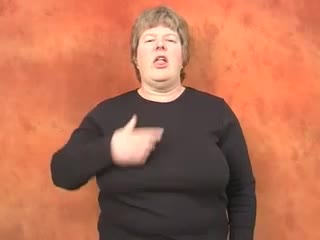
Visually represents interwoven threads by brushing fingers along the arm, mimicking texture

👐 How to Sign "woven fabric" in British Sign Language (BSL) (Quick Answer)

Follow these steps to sign woven fabric correctly in British Sign Language (BSL):

  1. 1 Form dominant F-hand, non-dominant flat B-hand palm up
  2. 2 Place dominant fingertips on non-dominant forearm
  3. 3 Brush gently along forearm towards elbow
  4. 4 Repeat motion two to three times

Tip: Watch the video above while following these steps for best results.

🤚 Sign Profile

🤚
Handshape
Dominant hand: thumb, index, middle fingertips touch, others extended. Non-dominant hand: flat B-hand
🔣
Handshape Code
F-hand/Pinching (dom), B-hand (non-dom)
Dominant Hand
Either
🙌
Hand Count
Two-handed
📍
Location
Non-dominant forearm
↗️
Movement
Dominant hand brushes gently and repeatedly along non-dominant forearm
🔄
Movement Type
Linear|Repeated
👆
Contact
Brush
👋
Palm Orientation
Dominant hand palm faces non-dominant forearm. Non-dominant palm up
⚖️
Symmetry
Asymmetric

😊 Non-Manual Features

Facial expressions and body language are grammatically essential in British Sign Language (BSL) - not optional!

😊
Facial Expression
Neutral facial expression
🙆
Eyebrows
Neutral
👁️
Eye Gaze
Forward
🙂
Head Movement
None
🕴️
Body Shift
None

📖 Grammar & Linguistics

Part of Speech Noun
Inflection No
Classifier Usage No
Role Shift No

🎓 Learning Context

📌 When to Use: Discussing clothing, textiles, materials, or crafts
⚠️ Common Mistake: Using only one brush, or a stiff, non-gentle movement
🚫 When NOT to Use: When referring to non-fabric materials like paper or metal
Context Tags
Materials clothing textiles crafts

🧪 Practice Lab

Use these tiny checks right after watching the video. Fast feedback is what turns recognition into recall.

Meaning check

Which word matches the sign you just watched?

Usage check

Where would this sign fit most naturally?

Confidence check

How do you feel about woven fabric right now?

Pick one so SignDeaf can shape the rest of your session around how this sign actually feels.

🧭 Scenario Drill

One sign gets remembered faster when you attach it to real situations. Try these quick scene prompts.

Work

Stretch practice

Use this sign in a short workplace sentence or meeting exchange.

Family

Stretch practice

Try signing this while talking about family life or something at home.

School

Stretch practice

Imagine teaching this sign to a classmate or using it in a lesson.

Doctor

Stretch practice

Practise it in a healthcare conversation where clarity matters.

Travel

Stretch practice

Use it in a travel scenario like asking for help or directions.

💬 Example Usage

1.[en] I like this fabric. / BSL:[NOTE] | 2.[en] What material is it? / BSL:[NOTE] | 3.[en] She weaves cloth. / BSL:[NOTE]

1.[en] I like this fabric. / BSL:[NOTE] | 2.[en] What material is it? / BSL:[NOTE] | 3.[en] She weaves cloth. / BSL:[NOTE]

When to use it

Discussing clothing, textiles, materials, or crafts

When not to use it

When referring to non-fabric materials like paper or metal

Register

Neutral

🌍 Cultural Context

🗺️ Regional Variations

Minimal known regional variation for this common concept

⚖️ Similar Signs - What's the Difference?

Understanding when to use woven fabric vs. related signs helps avoid common mix-ups.

CLOTHES (both flat B-hands brush downwards on chest) signifies garments, not the raw material. SEWING (dominant G-hand mimics needle passing through non-dominant B-hand) is the action, not the fabric itself. This sign specifically highlights the woven texture

📝 Usage Notes

The repeated brushing motion emphasizes the texture and process of weaving

Frequently Asked Questions

Common questions about the British Sign Language (BSL) sign for "woven fabric".

🏷️ Tags

Handshape

Keywords

💡
Did you know?
BSL uses a two-handed manual alphabet - different from ASL which is one-handed.

📚 Explore More British Sign Language (BSL) Signs

Keep building your British Sign Language (BSL) vocabulary - explore signs by category or browse the full dictionary.