What This Sign Means in BSL
The BSL sign for coated woven fabric isn't just about the threads themselves; it beautifully captures the *essence* of a material that’s been treated to resist elements, often water. Think of those robust, resilient fabrics we rely on for protection – like the material of a trusty raincoat, a sturdy tent, or a durable tarpaulin. The sign directly communicates this protective quality through its tactile movement, making it distinct from general signs for 'fabric' or 'cloth'.
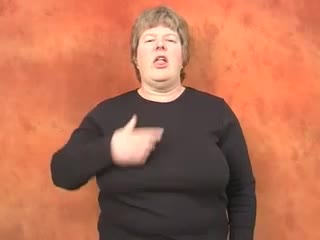
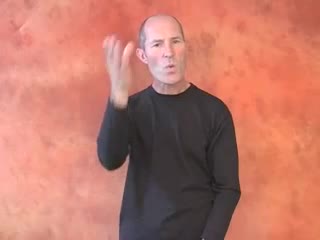
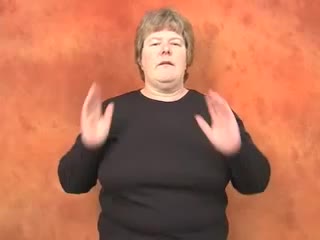
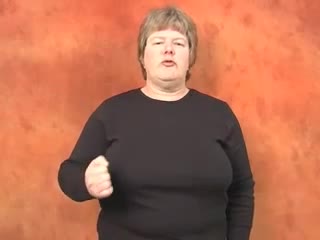
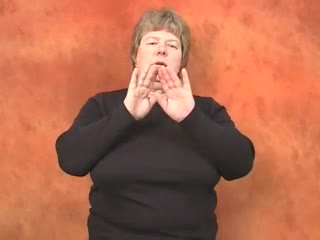
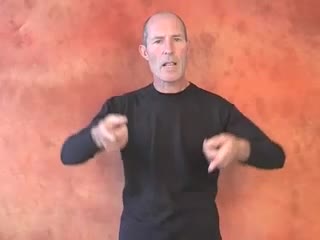
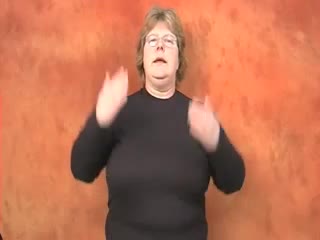
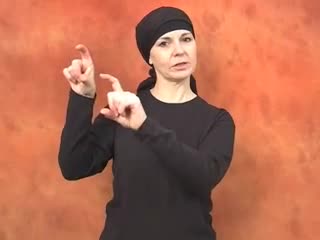
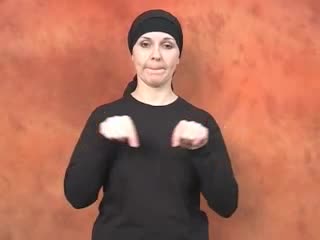
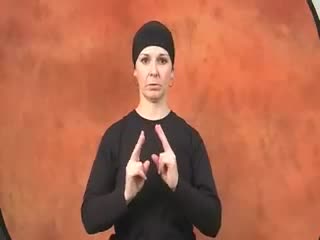
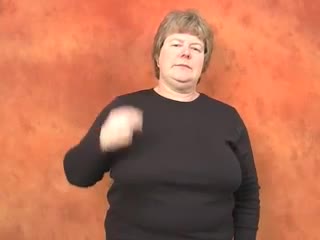
This sign is wonderfully descriptive. The dominant hand, shaped like an 'X' (a hooked index finger), isn't just touching the non-dominant 'B' hand (a flat, palm-up surface); it's *rubbing* across it. This action visually and kinesthetically suggests the texture of a coated surface – perhaps feeling its smooth, slightly slippery, or resistant quality. It immediately sets the expectation that we’re talking about a specific type of material with particular properties.
It’s a sign that grounds the conversation in practicality and function. When you see or use this sign, it brings to mind materials designed for durability and weather resistance, rather than soft drapes or delicate garments. It’s a precise term for a very specific kind of textile, useful in many contexts from outdoor activities to home improvements.
When This Sign Feels Natural
You’ll find the BSL sign for coated woven fabric feels most natural when discussing items where the material’s weather-resistant properties are key. Imagine you’re at an outdoor equipment shop, describing why a certain tent fabric is superior, or explaining the benefits of a new waterproof jacket. It’s perfect for those moments when the material’s ability to repel water or withstand wear is the main point of conversation.
This sign sits comfortably in a descriptive register, often used in practical discussions about construction, repair, or product specifications. For instance, if you’re planning a garden project and need to cover something, or if you’re an artist discussing materials for an outdoor installation, this sign clearly articulates the kind of textile you mean. It’s less likely to appear in casual chats about fashion, unless you’re specifically critiquing the material’s functional aspect.
Consider your audience. If you’re communicating with someone who needs to understand the exact properties of a material – perhaps a builder, a crafter, or someone involved in outdoor pursuits – this sign is clear and unambiguous. If you merely mean "some cloth" or "any fabric," you’d opt for the more general BSL signs for those concepts. This sign carries a precise meaning that should be respected for effective communication.
What Learners Usually Miss
A common mistake learners make with the BSL sign for coated woven fabric is in the precision of the handshapes and movement. The dominant hand isn't just a bent finger; it's a distinct 'X' handshape, a firmly hooked index finger, with the other fingers typically curled in. This specific shape is crucial. The non-dominant hand must be a flat 'B' hand, palm up, providing a clear, stable surface for the rubbing action. Ensure your fingers are together and extended for that 'B' shape.
The movement also needs careful attention. It's a smooth, continuous, and repeated *rubbing* motion, not a quick tap or a gentle brush. Think about the action of trying to rub water off a surface or feeling the texture of a resistant material. If the movement is too jerky or too brief, it can lose its descriptive power and might even be misread as a different sign. Practice making the rubbing feel deliberate and consistent across the non-dominant palm.
Another subtle point often missed is the tendency to overgeneralise. Learners might use this sign for *any* fabric they perceive as strong or durable. Remember, this sign specifically indicates a *coated woven* material. If you’re talking about denim (which is woven but not typically coated for water resistance) or a knitted jumper, this sign isn’t appropriate. Be mindful of the specific "coated" aspect, which is what differentiates it from many other fabric signs. The sign's meaning is tied to that protective layer, not just the weave.
A Simple Way to Remember It
To remember the BSL sign for coated woven fabric, think about the practical experience of testing or feeling a waterproof material. The sign visually represents the action of your hooked finger (the 'X' hand) checking the surface of a treated fabric (the 'B' hand) to see if it’s smooth and resistant, or perhaps trying to rub something off its protective layer.
- Imagine your 'X' hand *scrubbing* away imaginary water droplets from the smooth, resistant surface of a raincoat represented by your 'B' hand.
- Visualise the repetitive motion as feeling the uniform, somewhat slippery texture of a coated material, confirming its protective quality.
- Connect the 'X' hand's action to the idea of *examining* or *testing* the integrity of a fabric designed to repel and protect.
Short Practice Situations
- "That new tent is made from incredibly strong coated woven fabric; it should withstand any storm we encounter this summer."
- "I need to buy some good quality coated woven fabric to make a durable cover for my outdoor furniture before the rain starts."
- "The artist chose a brilliant type of coated woven fabric for their sculpture, allowing it to stay outdoors all year round without damage."
- "Does this brand of waterproof jacket use the same high-performance coated woven fabric as their previous collection?"
- "We’re looking for a specific type of coated woven fabric that’s also breathable for these new outdoor sports uniforms."
Signs to Learn Next
- FABRIC / CLOTH: This is a foundational sign for any textile. Learning it next helps you differentiate between a general piece of cloth and the specific "coated woven fabric" we've discussed.
- WATERPROOF: Often, the reason a fabric is coated is to make it waterproof. This sign is a natural companion, allowing you to explain the key property of the material.
- RAINCOAT: Many raincoats are made from coated woven fabric. This sign gives you a direct example of an item where our primary sign would be used extensively.
- TENT: Similar to a raincoat, tents rely heavily on coated woven fabrics for shelter and protection from the elements, making this a relevant sign to connect.
- MATERIAL: This broader term allows you to talk about substances in general. Understanding it helps you place "coated woven fabric" within the larger category of materials.