What This Sign Means in BSL
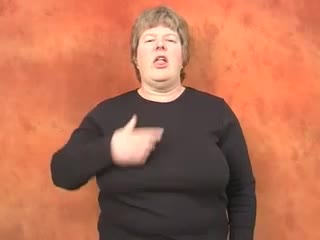
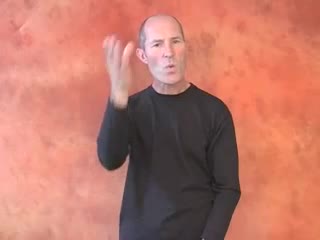
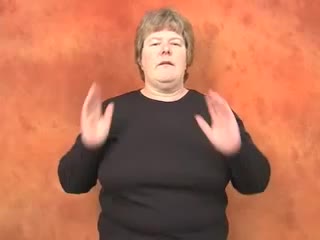
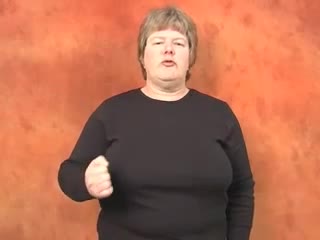
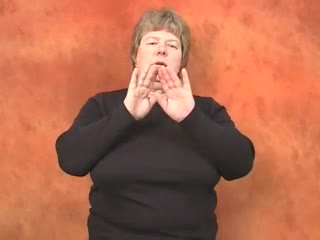
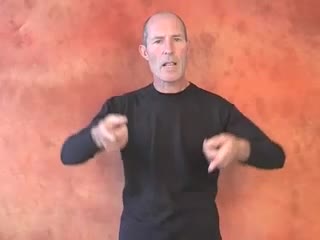
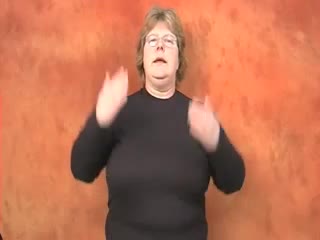
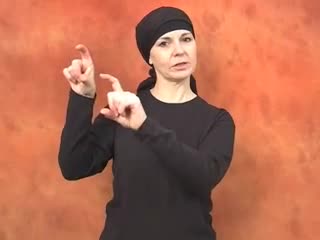
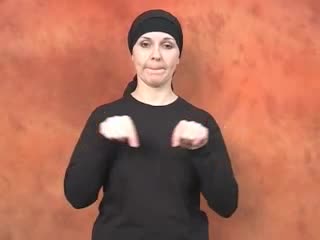
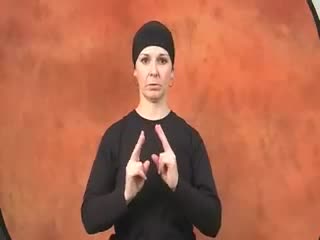
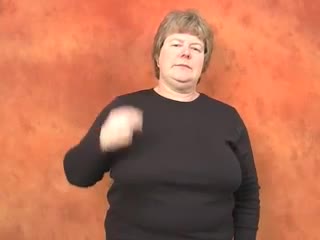
The BSL sign for stone is wonderfully direct, capturing the essence of what a stone feels like in your hand. Imagine holding a small, solid object – perhaps a smooth pebble or a rough fragment – and tapping it against your other hand. That's precisely the visual and tactile metaphor this sign employs. It’s a foundational sign, not just for literal stones you might find in nature, but also for understanding concepts related to solidity and construction.
This sign primarily refers to a natural piece of rock, ranging from a small pebble you might skip across water to a larger, manageable chunk used in a garden or for building. It’s a very common sign in everyday conversation, whether you’re describing a walk in the park, a construction site, or even a piece of jewellery. Its simplicity makes it easy to learn, but its accuracy in handshape and movement is key to making it clear and natural.
While straightforward, the sign for stone carries a sense of grounding and permanence. It’s not a fleeting object; it’s something enduring. This nuance helps signers convey the inherent qualities of a stone, whether discussing its texture, its weight, or its role in a larger structure. Pay attention to how this sign feels physically, as that tactile connection will deepen your understanding.
When This Sign Feels Natural
You’ll find yourself using this sign naturally in a wide array of situations whenever you're referring to individual stones or collections of them. Think about describing a pebbled beach, pointing out a loose stone on a path, or even discussing the material used for an old wall. It’s perfect for conversations about gardening, geology, architecture, or simply describing items you encounter outdoors.
This sign fits comfortably into most registers of BSL, from informal chats with friends to more formal discussions. It’s your go-to sign when you mean "a stone" or "stones" in a general sense. However, when you’re talking about a very specific type of stone, like a precious gemstone, you might follow this sign with a classifier or a fingerspelled word to add specificity. Similarly, for very large, immovable geological formations, you'd likely opt for a sign like ROCK or MOUNTAIN, which convey that greater scale.
Consider the context: if you're talking about a manufactured building material, such as a BRICK, there's usually a distinct sign for that. But if you're discussing a natural stone used in a dry-stone wall, or a large, rough stone forming a foundation, this sign for stone would be perfectly appropriate. The sign’s versatility lies in its ability to cover a broad spectrum of natural, solid, and often irregular pieces of mineral matter.
What Learners Usually Miss
Many learners initially perform the sign for stone with just one tap, or perhaps an uncertain, soft contact. However, the crucial element is the *repeated* tapping motion. It’s not just a single touch; it’s a distinct, rhythmic series of taps – usually two or three – that gives the sign its full meaning and natural flow. This repetition conveys the solidity and perhaps even the sound or feeling of a stone being handled or knocked.
Another common oversight is the precise handshape of the dominant hand. It should form a clear, firm fist (an S-handshape), not a relaxed, slightly open hand. The non-dominant hand, meanwhile, remains open (a B-handshape), palm up, acting as the surface for the tap. Learners sometimes let the dominant hand relax, which can make the sign less distinct and harder to read. The firmness of the fist is integral to representing the hard, compact nature of a stone.
Finally, pay attention to the location and rhythm. The tapping should occur squarely on the non-dominant palm, at roughly mid-chest height. The taps shouldn't be too fast or frantic, nor too slow or hesitant. Aim for a steady, deliberate rhythm that feels natural – like someone testing the weight or texture of a stone. Getting this rhythm and precise contact right will significantly improve the clarity and authenticity of your signing.
A Simple Way to Remember It
Imagine you're holding a small stone in your dominant hand, making a fist around it, and tapping it against the open palm of your other hand. This physical action directly mirrors the sign, giving you a strong visual and tactile memory hook for the BSL sign for stone.
-
Feeling the Hardness: Picture your dominant fist representing the stone itself, and the repetitive tapping motion against your open palm conveys the firm, unyielding texture of a stone.
-
Knocking Stones Together: Think of the sound or sensation of two stones gently knocking against each other. The tapping movement is a simplified representation of this common interaction with stones.
-
Solid Object: The closed fist (S-hand) visually represents something compact, solid, and substantial, reinforcing the idea of a dense, heavy stone.
Short Practice Situations
-
"I found a lovely smooth stone on the beach today; it was perfect for skimming."
-
"Watch out for the loose stones on the garden path; they can be a bit slippery."
-
"The old cottage wall was built entirely with natural grey stones, fitting perfectly into the landscape."
-
"Can you help me collect some small stones to decorate the edge of the flower bed?"
-
"He threw a stone into the pond, creating ripples across the calm surface."
Signs to Learn Next
-
ROCK: Often used for larger geological formations or boulders rather than individual, hand-sized stones. Learning this distinction will help you choose the right sign for scale.
-
BRICK: While bricks are made from earth, they are manufactured and have a distinct, uniform shape, hence a different sign. Understanding this contrast highlights the natural vs. man-made aspect.
-
MOUNTAIN: A large, natural elevation of the earth's surface, typically formed of rock and earth. This sign connects to the 'stone' family by representing a vast collection of stone material.
-
BUILDING: Many buildings, especially older ones, are constructed using stone. Learning this sign helps connect the raw material to its architectural application.
-
GRAVEL: This sign represents a collection of many small stones or pebbles, often used for paths or driveways. It's a natural progression from understanding the individual 'stone'.