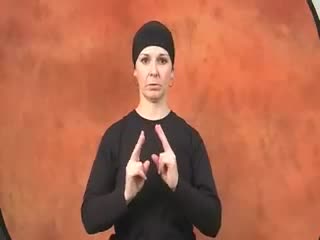
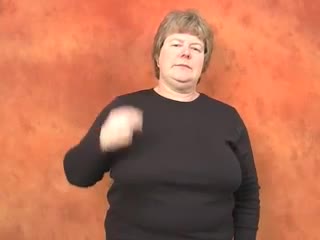
What This Sign Means in BSL
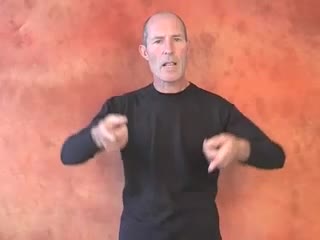
The BSL sign for noise is a wonderfully descriptive sign that captures the essence of sound spreading outwards. When you see it, picture sound waves or general commotion radiating from a central point. It's not just about a single, isolated sound; it often refers to a collection of sounds, a hubbub, or background auditory information that fills a space.
This sign is a foundational part of describing our auditory world in BSL. It's typically used as a noun, representing the general concept of 'noise' or 'sound' when that sound is often undifferentiated or a mix of elements. Think of it as the general atmosphere of sound, rather than a specific identifiable sound event.
While the sign itself is neutral in its core execution, the context and accompanying facial expression can quickly convey whether the noise is pleasant, annoying, or simply present. A slight furrowed brow might suggest irritation, while a more neutral expression simply states its existence. It’s a very visual and kinetic sign, with the outward movement and wiggling fingers doing much of the communicative work.
When This Sign Feels Natural
You’ll find yourself naturally reaching for the BSL sign for noise in a variety of everyday scenarios. Imagine walking into a busy market, a bustling pub, or a lively party; the general hum and cacophony of sound in these places is perfectly captured by this sign. It’s ideal for setting the scene when you're describing an environment that's not silent.
It also works well when you're experiencing a distraction. If you're trying to concentrate but there's a constant drone from outside, or people chattering nearby, you'd use this sign to express that interfering background sound. It communicates the idea of 'too much going on aurally' without needing to specify what is making the noise.
However, it's important to remember that while this sign covers 'noise' broadly, it’s often chosen when the sound isn't specific or when its specific source isn't important. If you're referring to 'music,' 'speech,' or a 'scream,' you’d likely use their respective, more precise signs. This sign for noise is for the general, often unorganised, spread of sound, and it sits comfortably in most registers of conversation, from casual chats to more formal discussions about sound pollution.
What Learners Usually Miss
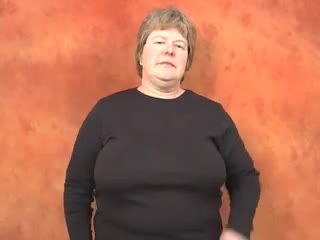
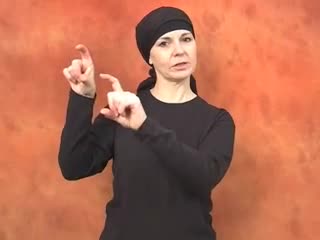
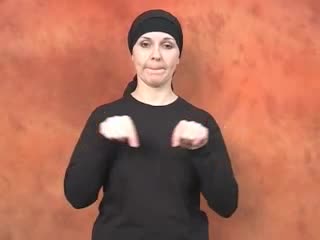
One common oversight for new learners is underplaying the 'wiggling fingers' aspect. It's not just a static 5-handshape moving outwards; the fingers need to be actively wiggling or fluttering throughout the movement. This active wiggling is crucial because it visually represents the dispersion and vibration of sound waves, giving the sign its dynamic quality. Without it, the sign can look more like 'pushing away' or 'spreading out' something solid, rather than intangible sound.
Another subtle point often missed is the continuous nature of the movement. The hands don't just 'pop' out; they move fluidly from the mid-chest area, gradually extending outwards to about shoulder height, with those fingers constantly wiggling. This sustained movement conveys the ongoing presence of noise, rather than a single, abrupt sound event. Practising a smooth, continuous outward motion with active finger wiggles will significantly improve the naturalness of your signing.
Sometimes, learners might also overuse this sign when a more specific descriptor or contextual explanation would be better. While it’s versatile, remember that BSL often encourages clarity. If the noise is specifically 'loud,' consider combining this sign with the BSL mouth pattern for 'loud' or signing "LOUD" afterwards. Pay attention to the rhythm; the wiggling isn't frantic unless the noise is extremely chaotic, but it should definitely be present and active.
A Simple Way to Remember It
Imagine the sign for noise as a visual representation of sound waves emanating and scattering from a source. The movement and handshape really make sense once you connect them to how sound behaves in the world.
- Sound Spreading: The outward movement of both hands from your chest directly illustrates sound waves or general auditory information dispersing into the environment, filling the space around you.
- Vibrating Fingers: The wiggling fingers represent the rapid vibrations of sound, the way sound 'shimmers' or 'moves' through the air, rather than being a solid, static object.
- Pushing Away or Emitting: Think of your hands either pushing away unwanted sound from yourself, or emitting a general wash of sound from your body, like a radio playing. Both interpretations help solidify the outward motion.
Short Practice Situations
- When I walked into the busy street market, there was so much noise from all the vendors shouting their wares.
- It's hard to relax when the neighbours are making so much noise upstairs late at night.
- Did you hear that strange noise coming from the garden just now? I wonder what it was.
- Can we find a quieter spot? I can barely hear you over all the noise in here.
Signs to Learn Next
- LOUD: This is a natural companion to "noise." Once you've established there's noise, you often need to describe its intensity. Learning "LOUD" helps you express whether the noise is overwhelming or merely present.
- QUIET: The direct opposite of noise, learning "QUIET" allows you to discuss the absence of sound or the desire for calm. It creates a complete picture of auditory environments.
- HEAR: "Hear" is fundamental to experiencing noise. Understanding how to sign "hear" will naturally connect to discussions about perceiving or not perceiving the noise around you.
- SOUND (as in a specific sound): While 'noise' refers to general or unwanted sound, sometimes you need to talk about 'a sound' in a more neutral way, or a specific type of sound. Exploring how BSL differentiates between 'general noise' and 'a specific sound' will add great nuance to your vocabulary.
- MUSIC: Often distinct from general "noise," "music" is a specific and organised form of sound. Learning it helps differentiate between desirable and undesirable auditory experiences, or simply categorise different types of sound.