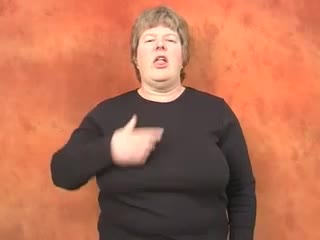
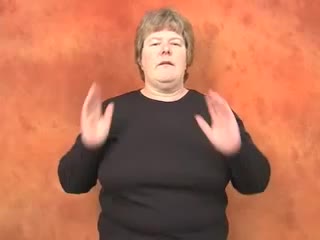
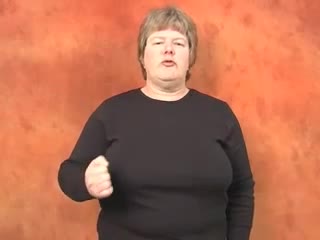
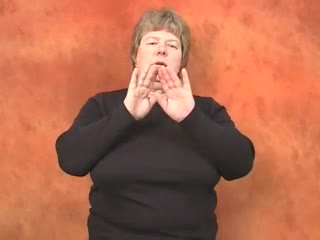
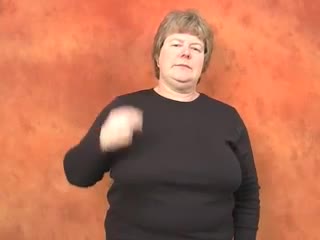
What This Sign Means in BSL
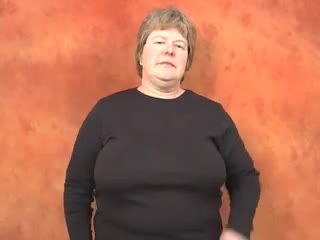
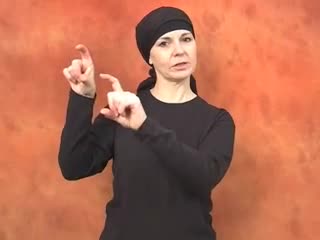
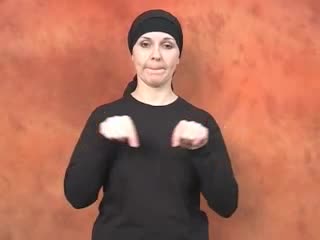
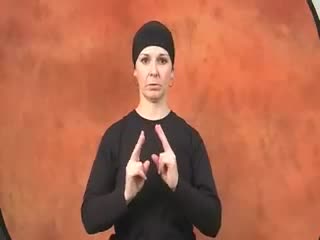
The BSL sign for water seepage isn't just about water and it isn't just about a leak; it carries a very specific nuance of slow, persistent, and often unwelcome penetration. When you use this sign, you’re conveying the idea of water gradually making its way through a barrier, whether it’s a wall, a ceiling, or even a rock face. It’s not a sudden gush or a dramatic flood, but rather a subtle, often insidious process that can lead to significant problems over time.
Think of the sign as embodying that quiet, steady persistence. It suggests a problem that might not be immediately obvious but grows incrementally. It’s a sign that communicates a sense of concern, perhaps even frustration, because seepage is notoriously difficult to pinpoint and stop. This isn't a cheerful sign; it’s one that typically arises when discussing maintenance issues, damage, or environmental concerns, highlighting the slow, damaging effect of water where it shouldn't be.
When This Sign Feels Natural
This sign feels most natural in conversations where the exact nature of water intrusion matters. You'd use it when you're specifically talking about damp patches appearing on a wall or ceiling over time, not from a burst pipe, but from a persistent, unseen source. Imagine discussing a building survey, explaining an issue to a plumber, or even describing a geological process where water slowly erodes rock – these are the contexts where water seepage becomes the precise and appropriate term in BSL.
It’s particularly useful when you need to differentiate from more dramatic water-related signs. For example, if your friend is complaining about a minor damp problem that’s slowly worsening, this sign conveys that accurate sense of gradual damage. It suits a slightly more technical or detailed discussion, whether with professionals or simply when you want to be very clear about the continuous, trickling nature of the water ingress rather than an immediate, visible flow.
What Learners Usually Miss
Learners often miss the subtle difference in movement and handshape that distinguishes seepage from a simple "leak" or "drip." The key isn't just showing water, but showing its *slow, pervasive movement*. Sometimes, new signers might make the movement too sharp or too isolated, missing the flowing, spreading quality that characterises water slowly permeating a surface. Remember, seepage isn't a singular event; it's a continuous process, and the sign needs to reflect that.
Another common oversight is the lack of accompanying facial expression. While the sign itself conveys meaning, a slightly concerned or frustrated facial expression really sells the concept of a persistent, unwanted water problem. Without it, the sign can look a bit neutral, like simply "water coming out," rather than the bothersome, damaging "water seepage." Ensure your facial expression matches the often-troubling nature of the issue to truly communicate the full meaning.
A Simple Way to Remember It
To remember the BSL sign for water seepage, think about the gradual, persistent way water slowly finds its way through tiny cracks and pores. The sign visually mimics this gentle yet inexorable flow, giving you a strong mnemonic hook. It's about showing water not gushing, but subtly spreading and working its way through.
- The Slow Persistence: Visualise water slowly "pushing" its way through a barrier. The movement in the sign is often deliberate and unhurried, reflecting this gradual action.
- Hidden Origins: Imagine the source of the water being somewhat concealed, only revealing itself as it slowly saturates a surface. The sign's movement often suggests this underlying, unseen cause.
- The Damp Patch: Connect the movement to how a damp patch grows slowly on a wall or ceiling, starting small and gradually expanding as water permeates the material.
Short Practice Situations
- I noticed some water seepage in the corner of the attic after the heavy rain.
- The builder explained that the damp issue was due to slow water seepage from the foundation.
- We need to find the source of the water seepage before it causes more damage to the ceiling.
- My neighbour's complaining about water seepage affecting their garage wall from next door.
Signs to Learn Next
- WATER: This is a fundamental sign. Understanding "WATER" allows you to build context for any sign related to water, including seepage.
- LEAK: While distinct from seepage, "LEAK" often represents a more direct, perhaps faster, flow of water. Knowing both helps you differentiate between a drip, a trickle, and a slow permeation.
- DAMP: "DAMP" describes the condition that often results from water seepage. Learning this sign helps you discuss the effects and consequences of seepage.
- REPAIR: Once you've identified water seepage, the next logical step is often repair. This sign connects directly to problem-solving actions related to water damage.
- PROBLEM: Water seepage is inherently a problem. Being able to sign "PROBLEM" allows you to express the negative impact and seriousness of the issue in context.