What This Sign Means in BSL
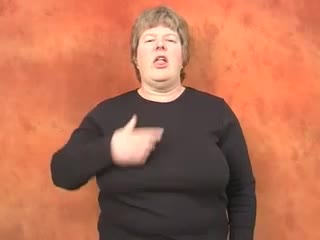
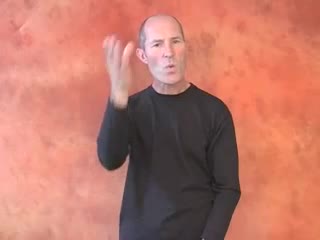
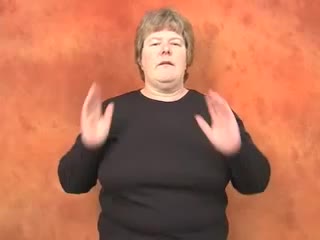
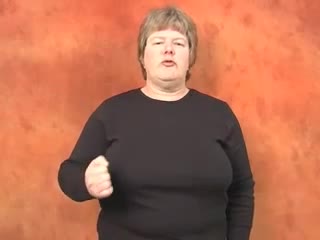
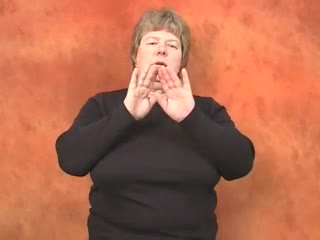
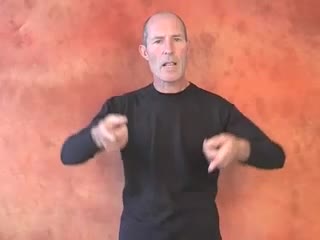
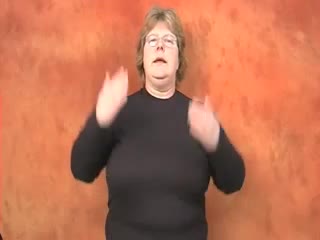
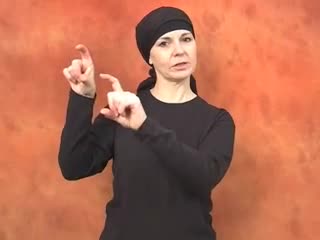
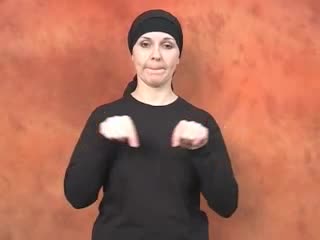
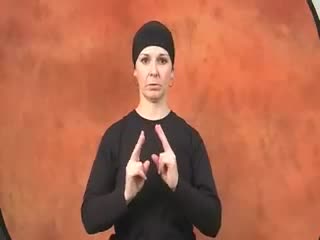
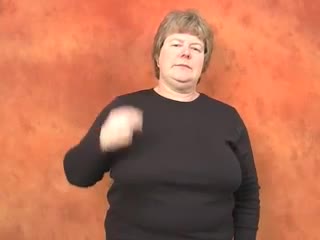
The BSL sign for slotted screw is wonderfully direct and iconic. It’s a visual representation that immediately brings to mind the action of turning a specific type of fastener. When you see this sign, you’re not just seeing a word; you're seeing the tool in action, making it highly descriptive and easy to grasp once you understand its components. This sign isn't just about the object itself, but also the interaction with it, embodying the practical task of securing or unsecuring something.
What makes this sign particularly valuable is its specificity. Unlike a general sign for 'screw', this one precisely communicates the presence of a slotted head, crucial for clear communication when you're discussing details like repairs, construction, or specific tool requirements. It’s a sign that empowers you to be more exact in your BSL conversations, helping to avoid misunderstandings about what type of screw is being referred to. Learners often appreciate how the sign’s form so closely mimics its function.
Beyond its literal meaning, the sign also carries a sense of everyday practicality. It’s a common sign you’ll encounter in discussions about DIY projects, household repairs, or even in professional contexts like engineering or carpentry. Mastering this sign means you’re ready to participate in a wide range of conversations where precision about tools and fasteners is important, making your BSL more robust and natural-sounding.
When This Sign Feels Natural
You’ll find the BSL sign for slotted screw feels most natural in contexts where distinguishing between different types of screws is relevant. Imagine you’re at a hardware store, describing a specific part you need, or perhaps you're explaining a repair to a friend. If the type of screw head matters – for instance, you're looking for a screw that can only be turned with a flat-head screwdriver – this is precisely the sign you’d choose to avoid ambiguity. It speaks to a level of detail that elevates your communication from general to precise.
Consider situations where you might be giving or receiving instructions. "Use a slotted screw here, not a Phillips head." Or, "I stripped the head of this tiny slotted screw." In these scenarios, the specificity of the sign is not just helpful but often essential for clear understanding. It’s less about abstract concepts and more about tangible, physical objects and actions, making it a very concrete sign that grounds your conversation in reality.
While you might use a more general sign for 'screw' if the head type isn't important, choosing the BSL sign for slotted screw shows a nuanced understanding of the situation and the vocabulary. It’s a sign that demonstrates care for detail and an appreciation for the specific tools and components involved in a task. Using it correctly enhances the clarity and richness of your BSL, allowing you to discuss practical matters with greater accuracy and confidence.
What Learners Usually Miss
One common area where learners sometimes falter with the BSL sign for slotted screw is in the precision of the handshape and the subtle nuance of the movement. It’s easy to approximate the dominant G-hand (index extended, thumb parallel), but truly getting that thumb parallel to the index finger, rather than tucked in or splayed out, is key. The index finger isn't just pointing; it's meant to embody the flat blade of a screwdriver, so its orientation and firmness are important. An imprecise handshape can sometimes make the sign look like a generic 'drill' or a less specific 'screw' action.
Another frequently missed detail is the repeated nature and rhythm of the twisting motion. It's not just a single, quick twist. Think about actually turning a screw – it's a series of deliberate, small rotations. Learners sometimes perform a single, broad rotation or an unclear, wobbly movement. The correction here is to practice a controlled, slightly repetitive twisting motion, mimicking the focused effort of rotating a screwdriver into a surface. This rhythm is what really sells the sign as "turning a screw" rather than just "rotating something."
Finally, the location and the implied interaction can be overlooked. The sign is typically performed near the non-dominant palm or an imagined surface, suggesting where the screw is being driven. Some learners might sign it in open space without this crucial reference point, losing a bit of its grounded, practical feel. Always remember to visualise the screw going into something, even if it's just your non-dominant hand acting as a surface. This adds a layer of realism and context that makes the sign much clearer and more natural to native signers.
A Simple Way to Remember It
To easily commit the BSL sign for slotted screw to memory, think about the direct physical action it represents. Your dominant hand literally becomes the tool, and its movement is the work being done. This highly iconic nature is your best friend for recall.
- The Blade: Picture your extended index finger as the flat blade of a slotted screwdriver, ready to fit into the screw head.
- The Turning: The repeated twisting motion perfectly mimics the action of turning that screwdriver, driving the screw in or out.
- The Surface: Imagine your non-dominant palm as the object or surface where the screw is being inserted, giving the sign a tangible place to happen.
Short Practice Situations
- "I need to find a small slotted screw to fix this glasses frame."
- "Be careful not to strip the head of that old slotted screw when you remove it."
- "Do you have a screwdriver for a slotted screw? Mine is too big."
- "The instructions say to use two slotted screws to attach the bracket securely."
Signs to Learn Next
- SCREW (general): Learning the more generic sign for 'screw' will help you understand when to use the specific 'slotted screw' and when a broader term is sufficient, giving you flexibility in your signing.
- SCREWDRIVER: This is a natural progression, as you've just learned the specific screw type. Knowing the sign for the tool used to turn it creates a practical vocabulary pairing.
- PHILLIPS HEAD SCREW: Just as you've learned 'slotted screw', learning 'Phillips head screw' (which uses a different handshape and motion to represent the cross-shaped head) expands your ability to distinguish between common fastener types.
- TIGHTEN / LOOSEN: These action verbs are frequently used in conjunction with screws. Being able to sign that you need to 'tighten' or 'loosen' a slotted screw will make your BSL more functional in practical contexts.
- HAMMER / NAIL: Expanding your tool and fastener vocabulary to include other common items like 'hammer' and 'nail' helps build a foundational set of signs for discussing DIY, construction, and repairs.