What This Sign Means in BSL
The BSL sign for roof boarding is a wonderfully descriptive sign that immediately paints a picture of its meaning. It specifically refers to the foundational wooden planks or sheets that form the structural base of a roof, sitting underneath the final weatherproof layer like tiles or slate. It's not just a generic "roof" or "wood," but a precise term for this crucial architectural component.
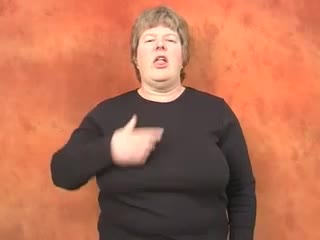
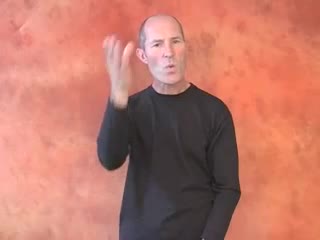
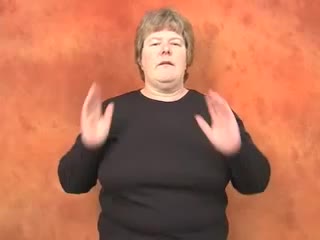
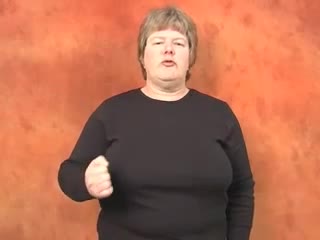
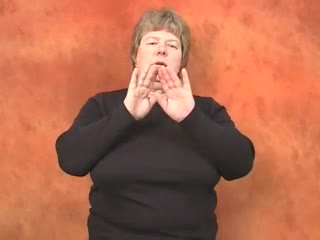
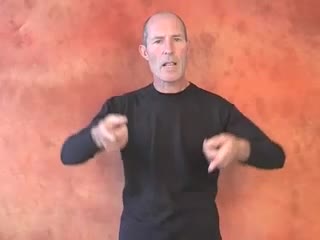
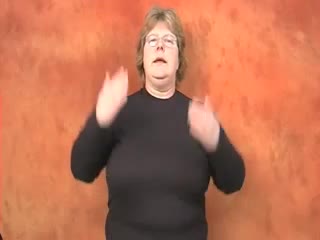
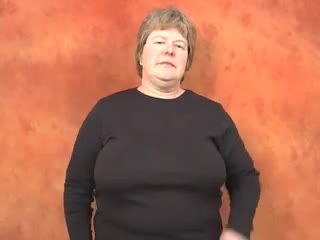
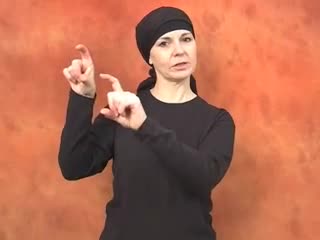
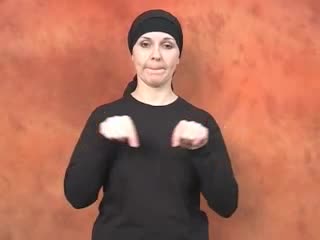
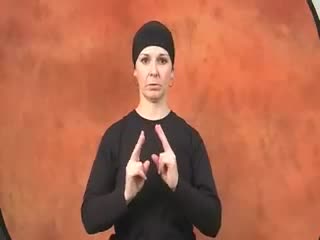
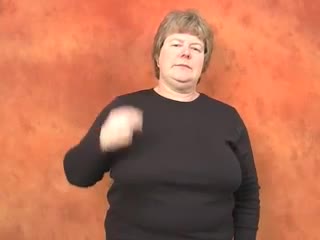
The visual logic of this sign is quite intuitive. Your flat hands (B-hands) first come together to form a peak above your head, clearly outlining the iconic shape of a roof. This initial movement sets the scene. Then, one hand sweeps downwards across the upper chest, suggesting the flat plane of the boards themselves and perhaps the act of covering or constructing this part of the roof. It’s a dynamic sign that conveys both the form and the material.
This specificity is a hallmark of BSL, especially when dealing with technical or descriptive terms. While there's a BSL sign for "roof," and one for "wood," this sign for "roof boarding" elegantly combines elements of both to create a distinct and unambiguous meaning. Understanding this precision helps you communicate clearly, ensuring that you're referring to the underlying structure, not just the finished surface.
When This Sign Feels Natural
You'll find the BSL sign for roof boarding feels most natural in contexts related to construction, home renovation, or detailed discussions about building structures. Imagine you're talking with a builder about repairing a leak, or describing a new extension – this sign would be perfectly at home. It’s a sign that demands a slightly more technical register, fitting conversations where accuracy about building components is important.
It’s less likely to pop up in everyday casual chat unless, of course, the conversation naturally turns to DIY projects or house repairs. For instance, if you're explaining why your attic is cold, you might use it to specify a problem with the insulation or the boarding itself. The sign implies a level of detail that goes beyond simply saying "the roof needs fixing"; it suggests a deeper understanding of *what* part of the roof needs attention.
Conversely, if you simply mean "the roof" in a general sense – perhaps pointing to the top of a house – you’d likely use the more general BSL sign for "roof." Similarly, if you’re just discussing "wood" as a material, you’d use that sign. Choosing the BSL sign for roof boarding demonstrates your ability to communicate with precision, which is always valued in technical or professional discussions within the Deaf community.
What Learners Usually Miss
Many learners initially perform the first part of the sign – the peak above the head – and stop there, thinking they’ve signed "roof boarding." However, the second, sweeping movement is absolutely critical. Without it, the sign often defaults to the more general BSL sign for "roof" or can even be misinterpreted as "house." The downward sweep with one flat hand is what truly distinguishes "roof boarding" by showing the flat, structural element that lies beneath the surface.
Another common oversight is the exact handshape and its consistency. The requirement for flat hands (B-hands) throughout the sign is deliberate; they represent the flat, rigid planks or sheets of the boarding. Some learners might inadvertently curve their hands or allow them to become too relaxed, which detracts from the visual clarity of the "boards." Keep those hands firm and flat, conveying the solid nature of the material.
Finally, pay close attention to the transition and rhythm between the two movements. It’s a smooth, continuous action – not two separate, jerky parts. The hands form the peak, and then one immediately transitions into the sweep, maintaining that visual connection to the roof structure. Practising this fluid transition will make your signing look much more natural and ensure your meaning is perfectly clear.
A Simple Way to Remember It
To easily recall the BSL sign for roof boarding, think of it as a two-stage visual story of a roof's construction. The initial peak outlines the shape of the roof, while your flat hands represent the sturdy, flat boards themselves, and the subsequent sweep illustrates the process of laying or covering that structural layer.
- The initial upward peak of your hands visually mimics the iconic shape of a roof, setting the context immediately.
- Your flat handshape throughout the sign directly represents the flat, wide boards or panels that make up the "boarding."
- The sweeping motion of one hand downwards can be imagined as the action of laying these boards, or perhaps showing the hidden layer beneath the outer roof covering.
Short Practice Situations
- The architect explained that the old roof boarding needed to be completely replaced due to water damage.
- Before we install the new solar panels, we must ensure the integrity of the existing roof boarding.
- During the storm, a section of the roof boarding lifted, causing a significant leak in the attic.
- Choosing the right type of timber for the roof boarding is crucial for long-term structural stability.
- He described how the builders carefully fastened each piece of roof boarding into place.
Signs to Learn Next
- ROOF: This is a natural progression. While similar in its initial peak, the BSL sign for "roof" often lacks the specific downward sweep, making it a more general term for the top of a building. Understanding the distinction enhances precision.
- HOUSE / BUILDING: Learning these broader terms provides context. "Roof boarding" is a component of a "house" or "building," so knowing how to sign the whole allows you to place the part.
- WOOD / TIMBER: Since roof boarding is typically made of wood, understanding how to sign the material itself is very useful for discussing construction and repairs.
- NAIL / HAMMER: These are common tools and actions associated with installing roof boarding. Knowing them allows you to describe the process of construction more fully.
- TILES (ROOF TILES): After the roof boarding is in place, roof tiles are often laid on top. Learning this sign helps you discuss the full layering of a roof.