What This Sign Means in BSL
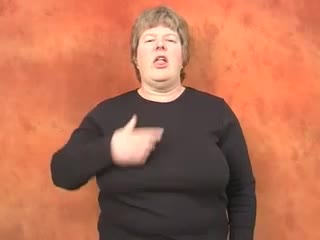
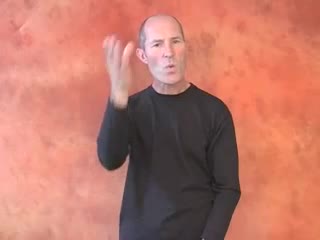
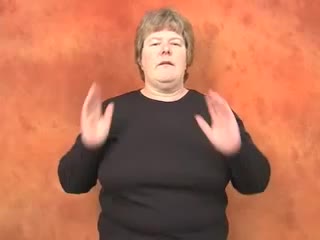
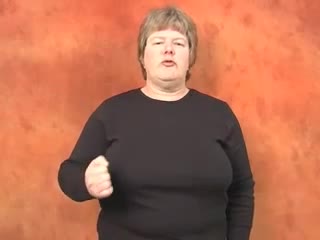
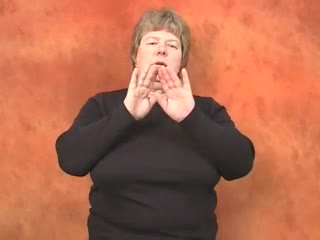
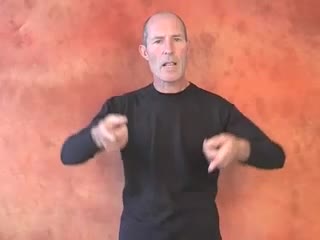
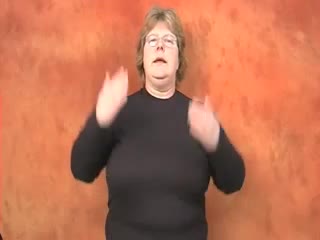
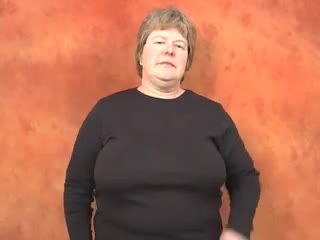
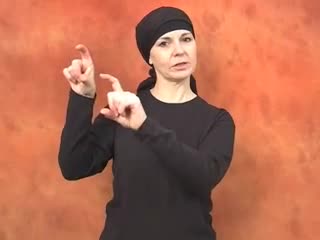
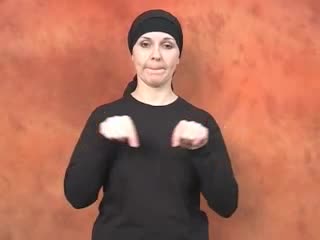
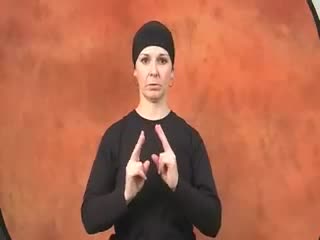
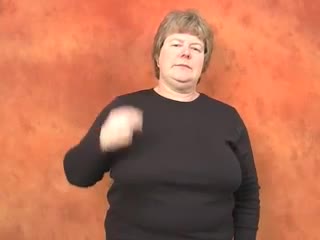
The BSL sign for adjustable spanner is wonderfully descriptive, directly mirroring the tool's unique function. When you see it, you immediately understand it's not just any spanner, but one whose jaw can be changed to fit different sizes of nuts and bolts. This sign uses a dominant C-handshape, which cleverly represents the spanner's head or jaw, ready to grip.
The movement tells the story: first, a subtle opening and closing of the thumb and index finger, showing the "adjustment" mechanism. This is followed by a clear side-to-side rotation of the wrist, mimicking the action of tightening or loosening. It’s a very practical sign, clear and unambiguous, reflecting the no-nonsense nature of the tool itself.
Because it's so visually iconic, this sign is generally understood across different BSL users in the UK. It’s a core vocabulary item for anyone discussing DIY, car repairs, plumbing, or any situation where tools are needed. Its clarity makes it a satisfying sign to learn and use, as it effectively communicates both the object and its primary function in one fluid gesture.
When This Sign Feels Natural
You'll find the BSL sign for adjustable spanner feels most natural in contexts where you're discussing practical tasks or specific items from a toolbox. Imagine you're helping a friend with a home improvement project, or perhaps explaining a mechanical problem. This sign fits perfectly into those everyday, hands-on conversations. It’s typically used in an informal to neutral register, suitable for most general discussions.
It's the sign you'd reach for when you need to be precise about the specific tool. For instance, if you're asking someone to fetch it for you, or explaining how a particular task requires its unique adjusting capability. Contrast this with a more general sign for "tool" or even a different type of spanner; the "adjustable" aspect is what makes this sign the correct choice.
However, if you're talking about tools in a very abstract sense, or if the specific "adjustable" feature isn't relevant, you might opt for a broader sign for "tool" instead. Similarly, if you need to refer to a very specific, less common type of spanner for which there isn't a widely recognised BSL sign, fingerspelling or a descriptive gesture might be more appropriate. But for the common adjustable spanner, this sign is your go-to.
What Learners Usually Miss
New learners often miss the crucial two-part sequence of the movement for the BSL sign for adjustable spanner. The most common mistake is to either skip the initial thumb and index finger adjustment, or to blend it too quickly into the wrist rotation. Remember, the sign represents the *act* of adjusting the spanner's jaw, then the *act* of using it to turn. Giving distinct emphasis to both parts makes the sign clear and accurate.
Another subtle point often overlooked is the precision of the C-handshape itself. It's not just any loose 'C'; it needs to strongly evoke the gripping jaw of the spanner. Ensure your fingers are firm and shaped purposefully, as if actually holding onto a bolt. The thumb and index finger movement for adjustment should also be deliberate, showing a clear small opening and closing, not just a wiggle.
Finally, consistency in location and rhythm can be tricky. Keep the sign at a comfortable working height, typically chest or waist level, in front of your body. This grounds the sign as a practical tool being used. And maintain a steady rhythm: a distinct beat for the adjustment, and then a distinct beat for the turning, preventing the sign from becoming a rushed or muddy gesture. Practice these elements consciously to master the sign's natural flow.
A Simple Way to Remember It
To really cement the BSL sign for adjustable spanner in your memory, think about the tool's core function and how your hand is literally acting it out. It's a fantastic example of a visually iconic sign that leaves little to the imagination.
- Your dominant C-handshape is the spanner's head, ready to grip something. Visualise it clamped around a bolt.
- The initial thumb and index finger movement is the "adjustable" part – you're mimicking the turning of the screw that opens and closes the spanner's jaw.
- The subsequent wrist rotation is the actual work being done – the act of tightening or loosening a nut or bolt.
Short Practice Situations
- "Can you pass me the adjustable spanner, please? I need to tighten this loose screw."
- "I'm trying to fix my bike, but I can't find the adjustable spanner anywhere in the shed."
- "He spent the whole afternoon in the garage, using his adjustable spanner on the car engine."
- "Always keep an adjustable spanner in your emergency toolbox; you never know when you might need it."
- "Do you know the right size? This adjustable spanner should fit almost anything."
Signs to Learn Next
- TOOL: Learning the general sign for "tool" (often two fists hitting together, then opening slightly) helps you distinguish between specific tools like the adjustable spanner and the broader category.
- SCREWDRIVER: This sign (dominant 'D' handshape twisting as if screwing into the non-dominant palm) is a natural next step, as it's another common hand tool used for similar repair tasks.
- HAMMER: Adding "hammer" (dominant 'A' handshape striking down on the non-dominant palm) expands your practical vocabulary for construction and DIY, complementing your knowledge of spanners.
- FIX / REPAIR: The sign for "fix" or "repair" (dominant 'F' handshape making small circles over the non-dominant palm) is closely linked to using an adjustable spanner, as that's often its purpose.
- SCREW / BOLT: Understanding how to sign "screw" or "bolt" (dominant index finger pointing down and twisting) helps you talk about the very items an adjustable spanner is designed to work with.