
Daily focus
Archive Replay
Monday, November 17, 2025
Sign of the Day
train
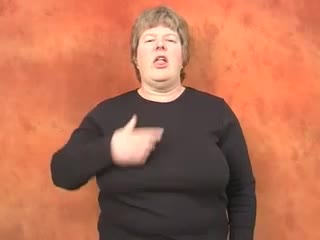
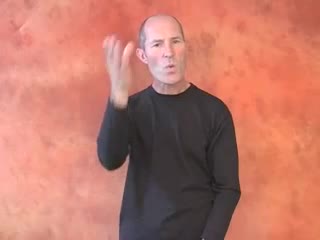
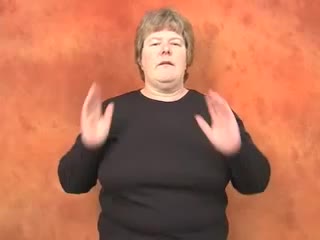
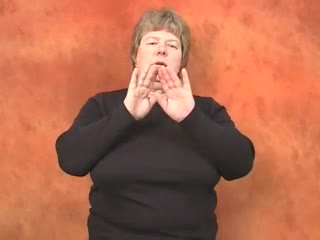
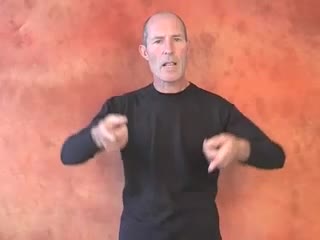
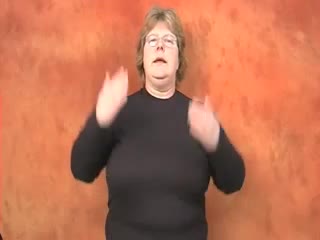
The BSL sign for "train" uses both hands with V-handshapes, palms facing each other, moving forward and backward in parallel. This mimics the wheels and motion of a train
A1 Very Common Noun British Sign Language (BSL) Neutral
Today’s Snapshot
The meta fields are doing real work here
This page turns your sign metadata into a fast, readable fingerprint of how the sign looks, feels, and fits into real conversation.
Both hands with index and middle fingers extended, others tucked
Both hands move forward and backward simultaneously, like wheels
Discussing travel, transport, or destinations
Break It Down
Watch, build, and feel the movement
Use the numbered steps first, then check the sign anatomy cards to clean up the small details that make the sign look fluent instead of approximate.
How to form the sign
- Form V-handshapes with both hands
- Extend index and middle fingers, others tucked
- Position hands in front of chest, palms facing each other
- Move both hands forward and backward simultaneously, repeating
Coach prompt
Practice the V-handshape, then coordinate both hands moving smoothly back and forth
Signature details
Handshape
Both hands with index and middle fingers extended, others tucked · Code V-hand
Dominant hand
Either
Symmetry
Symmetric
Contact
Air
Palm orientation
Palms face each other
Eyebrows
Neutral
Eye gaze
Forward
Head movement
None
Mouth morpheme
None
Body shift
None
Use It Today
Move from recognition to real-life use
Everything below is designed to make the sign sticky: where it feels natural, what learners miss, and how to use it without sounding robotic.
I go to work by train
Represents the wheels and motion of a train
Best fit: Discussing travel, transport, or destinations
Mirror focus
Practice the V-handshape, then coordinate both hands moving smoothly back and forth
Catch the slip
Ensure both hands maintain the V-handshape and move in parallel, not independently
Use it today
I go to work by train
Common mistakes: Confusing with 'drive' or 'car' due to similar handshapes
When not to use it: When referring to 'training' (exercise) or 'to train' (verb)
Regional note: Minimal, sign is widely understood
Cultural note: Historically, trains were a major part of British infrastructure
1.[en] I went by train. / BSL:[me GO TRAIN]
2.[en] The train is fast. / BSL:[TRAIN FAST]
3.[en] Where is the train station? / BSL:[TRAIN STATION WHERE?]
When would a learner use the BSL sign for train?
A learner would use this sign to discuss travel, public transport, or specifically mention a train as a mode of transport or a destination.
What do beginners often get wrong when signing train in BSL?
Beginners sometimes confuse it with 'car' or 'drive' due to similar handshapes. Ensuring the specific V-handshape and parallel, repeated motion is crucial.
Does the BSL sign for train change by region or context?
The core sign for 'train' is fairly consistent across the UK, with minimal regional variation. Context might slightly alter speed or emphasis.
Is the BSL sign for train suitable for beginners or children?
Yes, it is a very common and clear sign, suitable for all ages and beginner learners. It's often taught early due to its iconic nature.
How is the BSL sign for 'train' different from 'drive' or 'car'?
The 'train' sign uses V-handshapes moving forward and back. 'Car' often uses C-hands mimicking a steering wheel, or one hand moving forward. 'Drive' can be similar to 'car'.
Connect the Dots
Turn one sign into a small learning cluster
These links use your relationship fields, related vocabulary, and category context so the daily page becomes a launchpad instead of a dead end.
Word web
Railway
locomotive
Car
bus
plane
Station
platform
ticket
journey
Station
platform
travel
journey
ticket
CAR/DRIVE: Often uses C-handshapes mimicking a steering wheel, or one hand (B-hand, S-hand) moving forward. The 'train' sign distinctively uses two V-handshapes moving parallel forward and backward.
BUS: Typically uses two B-hands forming a larger rectangle and moving forward, representing the body of a bus. 'Train' uses the V-handshape and different movement
Travel
transport
public transport
journey
Train BSL
railway sign
BSL transport
Come Back Tomorrow
Build a rhythm around one sign a day
The archive rail lets people revisit recent daily picks, while the teaser card gives a reason to return instead of drifting away after one lesson.
Video credit: The demonstration video on this page is credited to SpreadTheSign. The video remains the property of the original rightholder.
All written explanations, learning notes, examples, comparisons, and page design on this page are SignDeaf educational material.