
Daily focus
Archive Replay
Monday, January 20, 2025
Sign of the Day
marsh
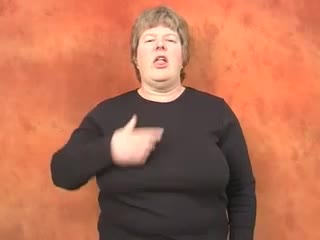
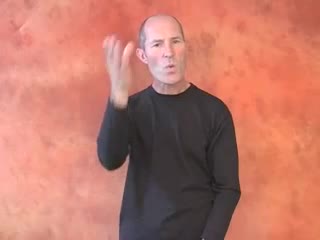
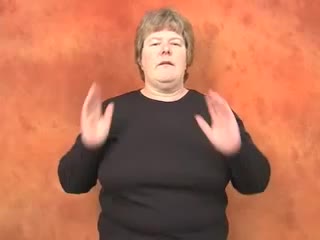
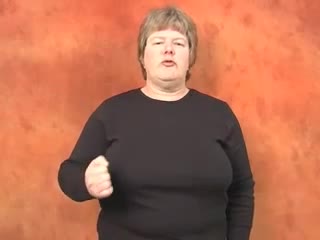
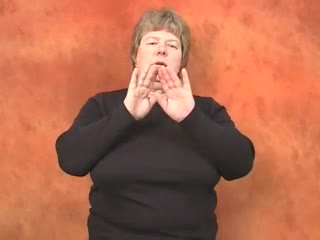
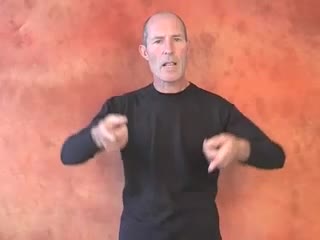
The sign uses flat hands to represent a broad, low-lying, often wet area, reflecting the physical expanse and flatness of a marsh
B1 Uncommon Noun British Sign Language (BSL) Neutral
Today’s Snapshot
The meta fields are doing real work here
This page turns your sign metadata into a fast, readable fingerprint of how the sign looks, feels, and fits into real conversation.
Both hands form a flat 'B' shape, fingers together and extended
Hands move outwards horizontally and slightly downwards
Describing landscapes, habitats, or geographical features
Break It Down
Watch, build, and feel the movement
Use the numbered steps first, then check the sign anatomy cards to clean up the small details that make the sign look fluent instead of approximate.
How to form the sign
- Form B-hands, fingers extended
- Place palms down mid-chest, close together
- Move hands outwards horizontally
- Slightly lower hands as they move
Coach prompt
Sign 'marsh' when you see a picture of a wetland
Signature details
Handshape
Both hands form a flat 'B' shape, fingers together and extended · Code B
Dominant hand
Either
Symmetry
Symmetric
Contact
Air
Palm orientation
Palms face downwards
Eyebrows
Neutral
Eye gaze
Forward
Head movement
None
Mouth morpheme
Mouthing 'marsh'
Body shift
None
Use It Today
Move from recognition to real-life use
Everything below is designed to make the sign sticky: where it feels natural, what learners miss, and how to use it without sounding robotic.
[en] The marsh is home to many birds. / BSL: MARSH BIRD MANY HOME
Often accompanied by mouthing 'marsh' for clarity
Best fit: Describing landscapes, habitats, or geographical features
Mirror focus
Sign 'marsh' when you see a picture of a wetland
Catch the slip
Ensure hands stay flat and move outwards, not just downwards
Use it today
[en] The marsh is home to many birds. / BSL: MARSH BIRD MANY HOME
Common mistakes: Confusing with 'flat' or 'land' due to similar handshapes
When not to use it: When a more specific term like 'swamp' or 'bog' is appropriate
Regional note: Minor variations in movement extent or speed possible
Cultural note: Wetlands are important for UK biodiversity; sign reflects expansive nature
1.[en] The marsh is vast. / BSL: MARSH VAST
2.[en] Walk through the marsh. / BSL: WALK THROUGH MARSH
3.[en] Birds live in the marsh. / BSL: BIRD LIVE MARSH
When would a learner use the BSL sign for marsh?
A learner would use this sign when discussing wetlands, specific geographical areas, wildlife habitats, or describing a landscape feature in BSL. It's a key descriptive noun.
What do beginners often get wrong when signing marsh in BSL?
Beginners might confuse it with signs for 'flat' or 'land' if the outward movement isn't distinct enough, or if the slight downward arc is missed. Also, omitting mouthing can reduce clarity for this less common term.
Does the BSL sign for marsh change by region or context?
While the core handshape and movement are consistent across BSL, minor regional variations might occur in the exact extent of the outward movement or the speed of execution. The fundamental concept remains the same.
Is the BSL sign for marsh suitable for beginners or children?
Yes, it is suitable for beginners and children. The handshape is simple (flat 'B'), and the movement is iconic, representing an expanse. It's a useful descriptive noun for nature topics.
Which sign is most often confused with marsh in BSL?
It can be confused with general signs for 'flat' or 'land' if not executed precisely. Learners should focus on the specific outward and slightly downward movement to distinguish it.
Connect the Dots
Turn one sign into a small learning cluster
These links use your relationship fields, related vocabulary, and category context so the daily page becomes a launchpad instead of a dead end.
Word web
wetland
bog
swamp
desert
mountain
dry land
water
land
reed
mud
nature
wetland
bog
nature
river
flat
FLAT: Uses one or both B-hands, but movement is typically a single sweep across a surface or a static description, lacking the specific outward expansion. LAND: Uses a 5-handshape (fingers spread) moving down to denote earth, or a B-hand moving downwards. 'Marsh' specifically conveys a low, wet expanse
Nature
geography
environment
wetland
bog
swamp
nature
flat land
Come Back Tomorrow
Build a rhythm around one sign a day
The archive rail lets people revisit recent daily picks, while the teaser card gives a reason to return instead of drifting away after one lesson.
Video credit: The demonstration video on this page is credited to SpreadTheSign. The video remains the property of the original rightholder.
All written explanations, learning notes, examples, comparisons, and page design on this page are SignDeaf educational material.