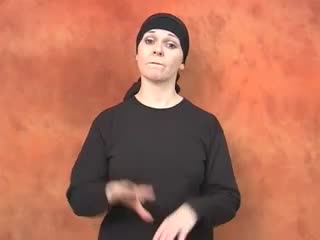
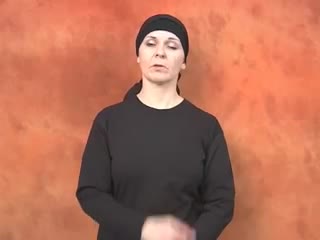
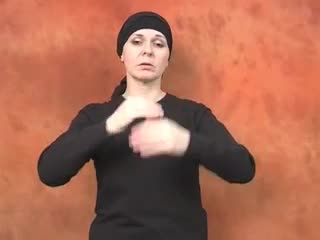
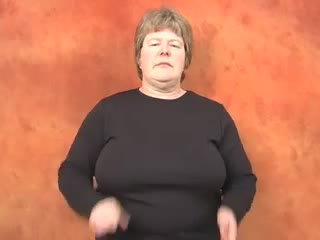
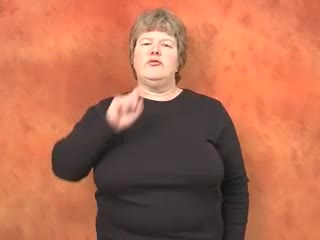
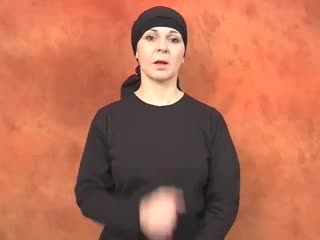
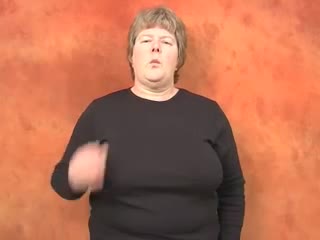
What This Sign Means in BSL
The BSL sign for green is a fundamental colour sign, widely understood across the UK Deaf community. It’s one of those essential building blocks in your BSL vocabulary that you’ll find yourself using constantly, whether you’re describing the world around you or discussing preferences. At its heart, this sign simply conveys the colour green, without additional layers of meaning like "environmentally friendly" or "jealousy" that might be associated with the word in spoken English. For those concepts, BSL has its own distinct signs, keeping the colour itself clear and unambiguous.
What makes this sign particularly noticeable is its distinct handshape combined with a concise, repetitive movement. It's not a sprawling sign that takes up a lot of space, but rather a contained, precise gesture. This efficiency is common in BSL, where clarity often comes from sharp, well-defined movements rather than broad strokes. Mastering this sign early on helps build a foundation for understanding the economy of movement that characterises many BSL signs.
You’ll encounter the BSL sign for green in countless contexts, from describing nature and clothing to food and traffic lights. It’s a versatile adjective that pairs readily with nouns and other descriptive signs. Getting this sign right isn't just about knowing another word; it's about confidently integrating colour descriptions into your BSL conversations, adding richness and detail to your signed narratives. It’s a sign that opens up many descriptive possibilities.
When This Sign Feels Natural
This sign feels most natural when you're directly referring to the colour itself, whether it's the hue of an object, a plant, or an abstract concept like a "green light" for approval. Imagine describing a favourite jumper, the vibrant colour of grass in spring, or a specific vegetable you’re looking for in a shop – these are all perfect situations for using the BSL sign for green. It's a straightforward descriptive sign, much like its spoken English counterpart, so you don't need to overthink its usage in most everyday contexts.
When you're signing about something that is green, you'll often sign the noun first, then the colour. For instance, "TREE GREEN" or "APPLE GREEN." This order is quite common in BSL for descriptive adjectives, providing clarity before adding the specific characteristic. However, you can also use it to highlight the colour itself, perhaps if someone asks "What colour is it?" and your direct answer is "GREEN." The context will naturally guide the sign order, but starting with the object is a good rule of thumb when describing.
While the sign for green is incredibly versatile, remember it's specifically for the colour. If you want to talk about "being green" in an environmental sense, or feeling "green with envy," BSL has different, more conceptual signs for those ideas. Using the colour sign in those situations would likely cause confusion. Stick to using the BSL sign for green when the literal colour is your focus, and you’ll find it slots into conversations seamlessly without needing to consider a "different" sign for the colour itself.
What Learners Usually Miss
One common subtlety learners sometimes miss with the BSL sign for green is the precise handshape. It’s crucial that your index finger and thumb are extended parallel to each other, creating a specific gap, while the other three fingers are firmly curled into your palm. Some learners might let their thumb drift or not curl the other fingers tightly enough, which can soften the distinction of the sign or make it less clear. The crispness of this handshape is key; imagine you're holding a very small, flat object between your index finger and thumb, but without actually touching them.
Another point of precision is the movement: it’s a repeated wrist twist. The tendency for new signers can be to involve the whole forearm or even the elbow, making the movement too large or sweeping. Instead, isolate the movement to your wrist. Think of it as rotating a doorknob slightly back and forth, but with your hand held in that specific "green" shape. The movement should be small, controlled, and centred from the wrist, occurring in the neutral space in front of your dominant shoulder/chest. Practising this wrist isolation will make your sign look much more natural and fluent.
Finally, consistency in the repetition of the wrist twist is often overlooked. The movement isn't just one twist; it's a repeated, rhythmic twist, typically two or three times. Some learners might execute only one twist, or make the repetitions uneven. This slight, rhythmic oscillation adds to the sign's completeness. While facial expression for a basic colour sign is usually neutral, focusing on this precise handshape, isolated wrist movement, and consistent repetition will ensure your sign for green is clear, accurate, and easily understood within the BSL community.
A Simple Way to Remember It
To help this sign stick in your memory, try connecting its unique form to something familiar that's green. The handshape itself is quite distinctive, and the movement adds a subtle layer that can be very evocative once you make the right associations. Think of how the sign looks and feels when you perform it, and tie those sensations to images of green.
- The "Grass Blade" Handshape: Imagine your extended index finger and thumb are mimicking the shape of a single, vibrant blade of grass, or perhaps holding a very thin leaf. The parallel alignment of the fingers can feel like the straight edges of a natural green object.
- The "Waving Leaf" Movement: Connect the repeated wrist twist to the gentle way a leaf might flutter or wave in a light breeze. That subtle, continuous motion from the wrist can be a beautiful parallel to the movement of green foliage.
- "Green Thumb" Connection: While not directly related to the idiom, you can use the presence of your extended thumb in the handshape to remind you of a "green thumb" – someone good with plants. This helps tie the sign directly to nature and the colour green.
Short Practice Situations
- Imagine you’re describing your favourite outfit: "My shirt is green, and my trousers are blue."
- You're at the park, pointing out details: "Look at that big tree, its leaves are so wonderfully green today."
- Ordering food at a café: "Can I have a smoothie? I'd like the one with lots of spinach, the really green one."
- Giving directions to a friend: "Turn right at the traffic lights when they change to green."
- Discussing a garden project: "I want to plant lots of herbs; I love the smell of fresh, green rosemary."
Signs to Learn Next
- BLUE: Learning other basic colours like BLUE helps build your descriptive vocabulary and often follows similar structural patterns in BSL for visual clarity.
- RED: Similar to BLUE, mastering RED will give you another essential colour, allowing you to compare and contrast objects by hue.
- YELLOW: Adding YELLOW completes a foundational set of primary colours, enabling more nuanced descriptions of the world around you.
- TREE: Since green is so often associated with nature, learning the sign for TREE (or PLANT) naturally expands your ability to describe natural environments.
- COLOUR: Understanding the sign for COLOUR itself provides a meta-linguistic tool, allowing you to ask about colours or discuss colour preferences in general.