What This Sign Means in BSL
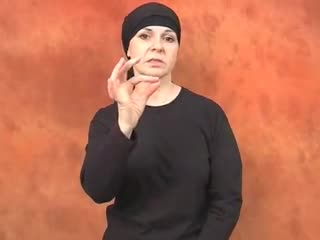
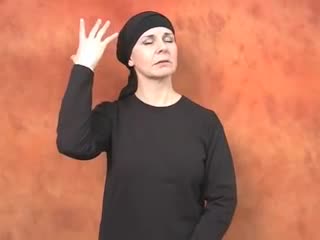
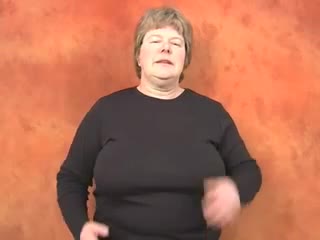
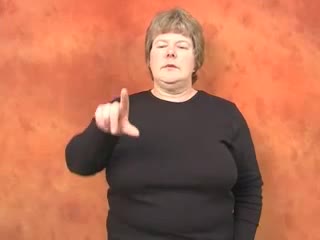
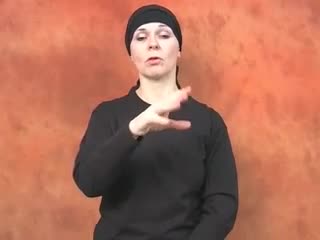
The BSL sign for "study" is a beautifully clear visual representation of deep mental engagement. It directly communicates the act of concentrating on learning material, absorbing information, and applying intellectual effort. Unlike a casual glance or simply "seeing" something, this sign conveys a focused, active process of understanding and retention.
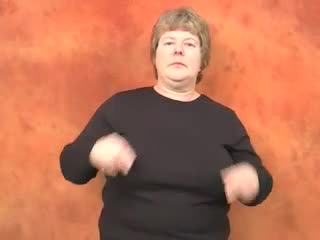
The tone of the sign is one of deliberate absorption. The repeated, gentle downward and slightly outward movement of both hands suggests a continuous sifting through ideas, turning over concepts in your mind, or perhaps even metaphorically "downloading" knowledge. It’s not hurried or abrupt; it has a considered, almost rhythmic quality that reflects sustained thought.
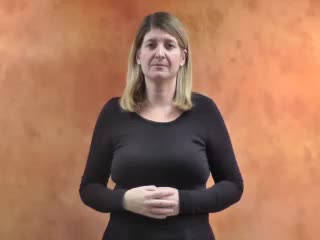
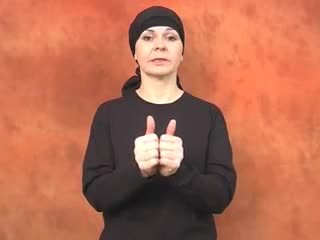
What makes this sign particularly effective is its immediate clarity. The symmetrical, two-handed action performed in front of the chest is quite distinctive and instantly communicates a concentrated effort. It’s a sign that truly embodies the commitment to learning, whether you're preparing for an important exam or simply dedicating time to master a new skill. Pay attention to its smooth, flowing execution to capture its full meaning.
When This Sign Feels Natural
You’ll find yourself using the BSL sign for "study" in a wide range of academic and learning-focused situations. It’s perfect for discussing formal education, like preparing for university lectures, revising for exams, or even dedicating time to self-teach a complex subject. For instance, you might sign, "I need to study my BSL grammar tonight," or "They're studying for their medical degrees at the city hospital." It covers both the act of engaging with material and the broader commitment to a course of learning.
This is a core sign in BSL, universally understood and appropriate for all registers. Whether you're chatting informally with friends about your homework or discussing academic progress with a tutor, the sign remains the same. There's no need to search for a "more formal" or "more casual" equivalent; this sign stands strong as the standard way to express the concept of studying in the UK Deaf community. Its clarity and directness make it incredibly versatile.
While "study" is comprehensive, it’s helpful to understand when other signs might be a more precise fit. If your focus is purely on reading a book or a document, the sign for READ might be more specific. Similarly, if your action involves active investigation and discovery, such as exploring a subject for a project, the sign for RESEARCH would convey a broader, more investigative process. The key differentiator for "study" is that emphasis on deep, sustained mental effort aimed at understanding and retaining information, often with a specific learning goal in mind.
What Learners Usually Miss
A common pitfall for new learners is sometimes using "study" when another sign might better capture the nuance. While "study" is about the process of engaging with material for understanding, signs like LEARN (the outcome of acquiring knowledge) or PRACTICE (repeated action to improve a skill) convey different aspects. For example, you study your BSL vocabulary to learn new signs, and you practice signing conversations to improve fluency. Being precise with these distinctions will make your BSL much clearer.
Another subtle but important detail often overlooked is the movement itself. The sign for "study" isn’t meant to be a stiff or overly broad gesture. Imagine the fluid, gentle motion of turning pages, or the way thoughts softly settle into your mind. The hands move downwards and just slightly outwards, maintaining a comfortable, contained rhythm in front of your chest. Avoid pushing your hands too far out or making the movement too aggressive; it should feel natural and reflective of focused contemplation, not exertion.
The rhythm and repetition of the movement are also crucial. This isn't a one-off sign; the action is typically repeated a few times in a smooth, continuous flow. This repetition isn't just for emphasis; it inherently communicates the ongoing, sustained nature of studying. If you only perform the sign once, it might lose some of its intended meaning of prolonged engagement. Think of it as conveying "studying, studying, studying" rather than just "study." Consistency in this rhythm helps convey the depth and duration of the intellectual effort.
A Simple Way to Remember It
To help this sign stick in your memory, try to visualise your hands as a tool for absorbing and organising information. Imagine them sifting through mental notes, gently pressing knowledge into your mind, or even representing the pages of a book you're deeply engrossed in. The repeated, soft downward and slightly outward motion truly illustrates the process of engaging with and internalising complex ideas. It’s a physical metaphor for intellectual digestion and deep thought.
- Sifting through knowledge: Picture your hands gently sifting through ideas, pulling them downwards and outwards to arrange them logically in your mind, much like sorting through important papers.
- Deep absorption: The continuous downward movement can symbolise information sinking in, being absorbed deeply into your understanding rather than remaining on the surface.
- Turning pages of thought: Envision your hands as the covers or pages of a metaphorical book of knowledge, opening slightly and moving down as you delve deeper into its content, page by page.
Short Practice Situations
- I need to study for my driving theory test next week so I can pass it easily.
- Many students choose to study late into the night during exam season to improve their grades.
- My friend and I often like to study together at the local library every Saturday morning.
- It takes a lot of discipline and effort to study a new language consistently over many months.
- She hopes to study abroad next year to experience a different culture and broaden her horizons.
Signs to Learn Next
- LEARN: This is a crucial partner sign because you study in order to learn. While study focuses on the active process of engaging with material, learn represents the acquisition of new knowledge or skills. Understanding both helps you express the full cycle of education.
- UNIVERSITY / COLLEGE: These institutions are fundamental contexts where study is a primary activity. Knowing these signs allows you to discuss higher education, academic pathways, and the environment where much formal studying takes place.
- EXAM / TEST: Often, the dedicated effort of study is directed towards preparing for an exam or test. These signs frequently appear in conversations about academic assessments, progress, and the pressure associated with formal learning.
- READ: While distinct, study often involves a significant amount of reading, especially when engaging with textbooks, research papers, or online articles. Knowing READ allows you to specify the method of your study.
- HOMEWORK: This sign connects naturally to study as homework typically represents tasks assigned to be completed outside of class, requiring independent study and application of learned material. It’s a practical extension of the studying process.