Speed
0
Practice reps times watched

Create a free account to keep your watch history and review plan.

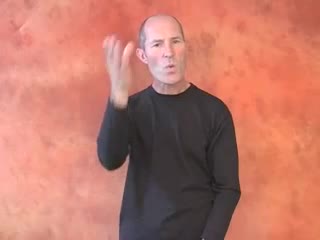
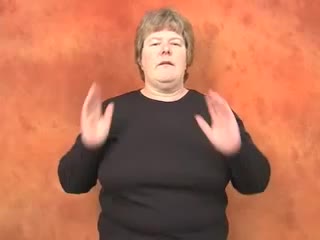
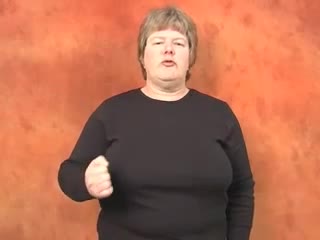
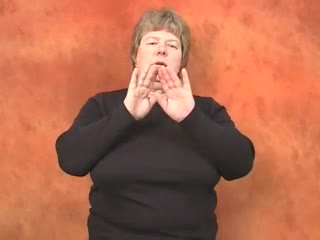
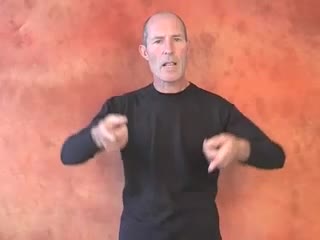
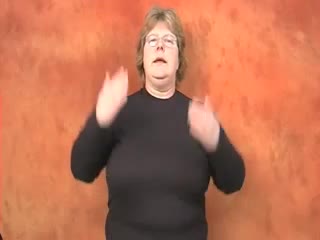
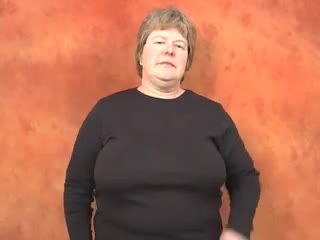
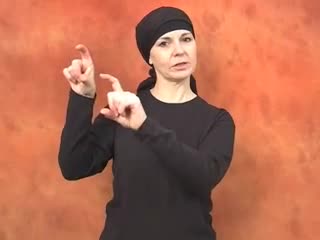
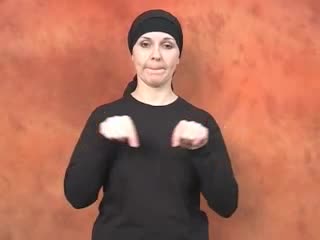
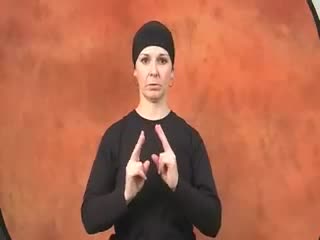
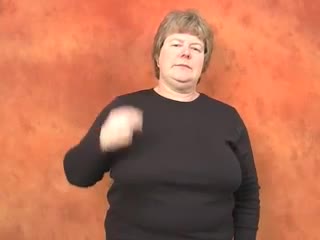
Best practice Use mirror mode, then watch the frame breakdown below to catch the start, movement, and finish cleanly.
Video via SpreadTheSign  - Free educational resource BSL
Updated April 26, 2026
British Sign Language (BSL) 🟢 Beginner 📊 A1 ⚡ Very Common Noun

meeting

Gathering of people for a specific purpose

Source-linked video Step-by-step guide Context and safety notes
Synonyms
Assembly conference gathering convention
Antonyms
Dispersal separation
Difficulty
Not rated yet

Create a free account to save this sign, keep your watch history, and unlock a one-note journal preview.

How to sign it
Handshape
Both hands form fists (S-handshape)
Location
Neutral space in front of the chest
Movement
Hands move inward towards each other until they meet
Palm Orientation
Palms face each other, or slightly towards signer
Facial Expression
Generally neutral facial expression
🔁 Spaced Review Try it free

How well do you know this sign?

MEETING
Your Progress Live
🌱
Level 1 · BSL Beginner +0 XP today
This sign Not learned yet
0 watches
Mastery 0%
Confidence
How well do you know this sign?
0 🔥 Streak
0 Signs seen
0 Learned
0 Watches
📖 Vocabulary health 🔒 Log in to see score
0 Mastered
0 Confident
0 Practicing
0 Just seen

Create a free account to keep your vocabulary score between sessions

7-day activity 0 of 7 active

Register free to sync activity across devices

Watch signs to see your history here

Tracking locally for now. Create a free account to save your progress and sync across devices.
Free gets you started. Paid adds the repeat-learning layer: review queues, deeper notes, compare mode, and better comeback tools.
My Sign Journal
Personal notes, saved to your account forever
Locked

Write memory tricks, usage examples, and cultural reminders beside each sign. Create a free account to unlock your first saved note preview on this page.

Create free account Already have an account? Log in

What This Sign Means in BSL

The BSL sign for meeting powerfully communicates the concept of people or groups coming together for a shared purpose. It's a foundational sign that captures the essence of an assembly, conference, or formal discussion, rather than a casual, individual encounter. Think of it as the noun form – the event of a meeting.

Visually, the sign's movement of two closed fists (S-handshape) moving towards each other in neutral space is highly iconic. It represents distinct entities converging, symbolising individuals or groups making their way to a common point to interact. This directness makes the sign clear and unambiguous to other BSL users.

This sign is truly versatile, applicable to everything from a small team catch-up to a larger community gathering. Its neutral facial expression allows it to adapt to various contexts, letting your surrounding signs or further explanation convey the mood or specifics of the meeting.

When This Sign Feels Natural

You'll find yourself using this sign naturally whenever you're referring to a scheduled or planned assembly. Whether you're announcing, asking about, or recalling a meeting, this BSL sign fits perfectly. For example, "We have a meeting at three o'clock" or "Did you attend yesterday's meeting?" are common contexts where it shines.

It's generally appropriate for both formal and informal registers, making it a workhorse sign in many situations. While the core meaning remains consistent, you can layer additional signs or expressions to specify if it’s a quick huddle, a crucial board meeting, or a relaxed social gathering. The sign itself sets the stage for collective interaction.

However, it’s important to distinguish it from the act of "to meet someone personally" – a very different sign often involving index fingers touching. If you're arranging to catch up with a friend for coffee, you'd likely use a different sign. This sign specifically points to the organized event where multiple parties convene.

What Learners Usually Miss

One common area of confusion for new learners is the subtle but significant difference between the noun "meeting" (the event) and the verb "to meet" (an individual encounter). For this sign, remember the closed fists. If you mistakenly use the "to meet (personally)" sign, the meaning can be lost or misunderstood, so pay close attention to the handshape.

The movement and rhythm of the sign are also crucial. The hands should move inward with a clear, deliberate motion, not just a gentle waft. Think of two distinct forces purposefully coming together. The hands should converge and then hold briefly in the neutral space, indicating the established presence of the meeting, rather than a quick, fleeting gesture.

Another point often missed is the potential for overuse. While versatile, this sign specifically means a "meeting" in the sense of an organised gathering. Sometimes learners might default to it for broader concepts like "assembly" or "gathering" when a more descriptive phrase or a slightly different sign might convey the exact nuance better. Keep its core meaning of a structured or planned convergence in mind.

A Simple Way to Remember It

Imagine two distinct individuals or groups, represented by your two closed fists, starting from separate places and purposefully moving towards a central point to come together. This convergence in front of your chest perfectly illustrates the concept of a "meeting" where everyone convenes.

  • The Convergence: The inward movement of the hands directly mimics people arriving from different places to one central spot.
  • Solidarity of Fists: The closed fists suggest distinct, solid entities (people or departments) making a concrete effort to unite.
  • Shared Space: The neutral space in front of your chest acts as the "table" or "venue" where the meeting takes place, a common ground for interaction.

Short Practice Situations

  • "Is the team meeting still scheduled for Wednesday morning, or has it been postponed?"
  • "I need to attend a very important meeting with the head teacher later this afternoon."
  • "Let's arrange a quick meeting next week to discuss the new project's budget."
  • "The local Deaf community centre hosts a monthly social meeting for all members."
  • "After the successful meeting concluded, everyone felt much clearer about the next steps."

Signs to Learn Next

  • TO MEET (someone): This is crucial for distinguishing between a formal event and a personal encounter. It typically involves index fingers touching, marking a one-on-one connection.
  • DISCUSS/TALK: Naturally follows "meeting," as this is often what happens during one. This sign usually involves hands moving back and forth, indicating conversation.
  • CONFERENCE: While related, a "conference" often implies a larger, more formal gathering with specific themes. Exploring this sign will expand your vocabulary for different types of assemblies.
  • APPOINTMENT: Similar to a meeting in its scheduled nature, but often refers to a one-on-one or smaller, professional arrangement, like with a doctor or client.
  • GATHER/ASSEMBLE: These signs focus more on the act of people coming together in a broader sense, not necessarily for a structured discussion. They offer alternative ways to describe groups forming.

🤖 AI Learning Guide for "meeting"

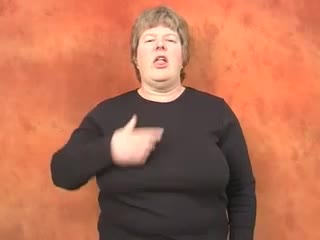
Both S-hands move inward, meeting in neutral space

🎯 Practice Challenge

Sign 'meeting' in the context of 'work meeting'

⚠️ Most Common Mistake

Ensure both hands are S-handshapes and make clear contact

👐 How to Sign "meeting" in British Sign Language (BSL) (Quick Answer)

Follow these steps to sign meeting correctly in British Sign Language (BSL):

  1. 1 Form S-handshapes with both hands
  2. 2 Position hands in neutral space facing each other
  3. 3 Move hands inward until knuckles touch
  4. 4 Representing two parties coming together

Tip: Watch the video above while following these steps for best results.

🤚 Sign Profile

🤚
Handshape
Both hands form fists (S-handshape)
🔣
Handshape Code
S
Dominant Hand
Either
🙌
Hand Count
Two-handed
📍
Location
Neutral space in front of the chest
↗️
Movement
Hands move inward towards each other until they meet
🔄
Movement Type
Linear
👆
Contact
Touch
👋
Palm Orientation
Palms face each other, or slightly towards signer
⚖️
Symmetry
Symmetric

😊 Non-Manual Features

Facial expressions and body language are grammatically essential in British Sign Language (BSL) - not optional!

😊
Facial Expression
Generally neutral facial expression
🙆
Eyebrows
Neutral
👁️
Eye Gaze
Forward
🙂
Head Movement
None
👄
Mouth Morpheme
Silent or 'mmm' mouth shape
🕴️
Body Shift
None

📖 Grammar & Linguistics

Part of Speech Noun
Inflection No
Classifier Usage N/A
Role Shift No

🎓 Learning Context

📌 When to Use: Used for business, social, or formal gatherings
⚠️ Common Mistake: Incorrect handshape or not making full contact
🚫 When NOT to Use: Referring to a brief, unplanned encounter
Context Tags
Business social event gathering

🧪 Practice Lab

Use these tiny checks right after watching the video. Fast feedback is what turns recognition into recall.

Meaning check

Which word matches the sign you just watched?

Usage check

Where would this sign fit most naturally?

Confidence check

How do you feel about meeting right now?

Pick one so SignDeaf can shape the rest of your session around how this sign actually feels.

🧭 Scenario Drill

One sign gets remembered faster when you attach it to real situations. Try these quick scene prompts.

Work

Strong fit

Use this sign in a short workplace sentence or meeting exchange.

Family

Stretch practice

Try signing this while talking about family life or something at home.

School

Stretch practice

Imagine teaching this sign to a classmate or using it in a lesson.

Doctor

Stretch practice

Practise it in a healthcare conversation where clarity matters.

Travel

Stretch practice

Use it in a travel scenario like asking for help or directions.

💬 Example Usage

1.[en] Big meeting today. / BSL:[Sign 'BIG' then 'MEETING'] | 2.[en] Are you going to the meeting? / BSL:[Sign 'YOU' 'GO' 'MEETING' 'Q'] | 3.[en] The meeting starts at ten. / BSL:[Sign 'MEETING' 'START' 'TEN']

1.[en] Big meeting today. / BSL:[Sign 'BIG' then 'MEETING'] | 2.[en] Are you going to the meeting? / BSL:[Sign 'YOU' 'GO' 'MEETING' 'Q'] | 3.[en] The meeting starts at ten. / BSL:[Sign 'MEETING' 'START' 'TEN']

When to use it

Used for business, social, or formal gatherings

When not to use it

Referring to a brief, unplanned encounter

Register

Neutral

🌍 Cultural Context

Meetings are central to many Deaf community events

🗺️ Regional Variations

Minor variations in contact point or exact placement

⚖️ Similar Signs - What's the Difference?

This sign meeting
VS
Similar signs Look closely
MEET (verb): Often uses G-hands (index fingers extended) touching, implying two individuals connecting. 'Meeting' (noun) uses S-hands, suggesting a more formal gathering of multiple parties. TOGETHER: Uses B-hands (flat hands) moving in a circle or touching, often meaning unity or being with someone. 'Meeting' is about an organised event, not just companionship. GROUP: Uses C-hand or 5-hand to outline a circle, defining a collection of people. 'Meeting' specifically signifies the *act* or *event* of assembly, with hands coming together

📝 Usage Notes

Can also function as verb 'to meet' by context

Frequently Asked Questions

Common questions about the British Sign Language (BSL) sign for "meeting".

🏷️ Tags

Handshape

Keywords

💡
Did you know?
Watching Deaf signers on YouTube or BSL content online is one of the best ways to improve fluency.

📚 Explore More British Sign Language (BSL) Signs

Keep building your British Sign Language (BSL) vocabulary - explore signs by category or browse the full dictionary.