What This Sign Means in BSL
The BSL sign for
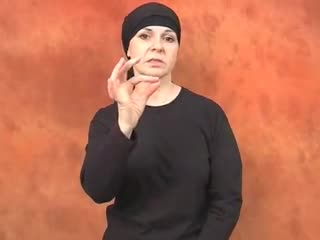
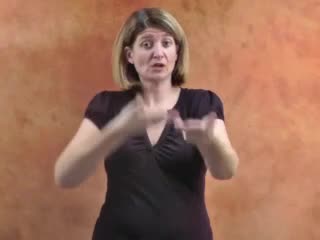
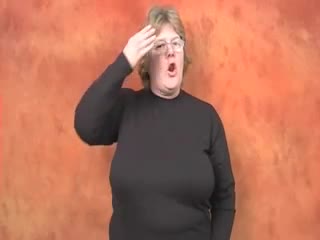
sleep is a fundamental and expressive verb, essential for discussing daily routines, well-being, and wishes for rest. It conveys the concept of slumber with a gentle, natural movement that visually echoes the closing of the eyes and the descent into repose. This sign doesn't just represent the act of sleeping; it can also communicate the state of being asleep or the need for rest.
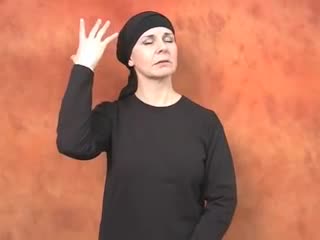
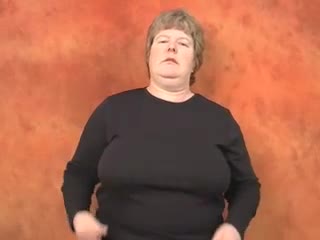
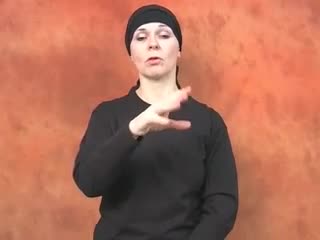
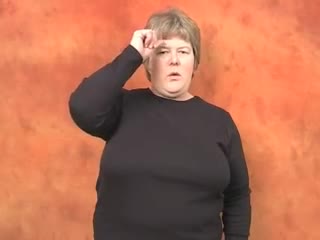
What makes this particular sign so impactful is its iconic quality. The dominant hand, starting near the eye and sweeping downwards as the fingers gently close, offers a direct visual metaphor for eyelids shutting. This strong connection to the physical action makes it intuitively easy for learners to grasp and remember, providing a satisfying sense of clarity.
While the core movement is straightforward, mastering the BSL sign for
sleep involves more than just the physical form. It’s about executing it with a relaxed, unhurried quality that truly conveys the comfort and peace associated with sleep. It's a sign that encourages a soft focus and a calm demeanour, subtly inviting the observer to understand the quietude it represents.
When This Sign Feels Natural
The BSL sign for
sleep feels incredibly natural across a wide spectrum of everyday conversations. You'd instinctively reach for it when discussing personal sleep patterns, perhaps signing, "I want to
sleep now," or inquiring, "Did you
sleep well?" It's equally apt for asking about someone else's rest or describing a state, such as "The baby is
sleeping." Its straightforward and clear nature makes it suitable for most registers, from relaxed chats with friends to more formal discussions about health or routine.
Crucially, consider the precise nuance you aim to convey. While "sleep" is unambiguous, related signs can offer greater specificity. For example, if someone is simply weary but not yet ready for bed, the BSL sign for
tired would be more appropriate. If you want to express that someone is fast asleep, you might combine "sleep" with a more emphatic facial expression or even another sign like
deep. The BSL sign for
sleep itself carries a neutral quality, so surrounding signs and non-manual features often enrich its specific meaning.
Consider your audience as well. Being such a fundamental and visually transparent sign, it's readily understood by a broad range of BSL users, from those just beginning their journey to fluent signers. It serves as a reliable sign for any discussion revolving around rest, whether you’re planning an overnight stay, recounting a dream, or simply wishing someone "Good night,
sleep well." Its sheer versatility cements its place as a cornerstone of daily BSL communication.
What Learners Usually Miss
A common pitfall for learners is executing the movement of the BSL sign for
sleep too sharply or abruptly. The sign should embody a smooth, gentle descent, reflecting the calm and gradual transition into slumber. If your hand sweeps down with excessive speed or force, it risks looking like "wiping" or "closing something quickly" rather than the peaceful closing of the eyes. Cultivate a soft, controlled downward motion, as if you’re slowly allowing your eyelids to droop naturally.
Another subtle yet crucial element frequently overlooked is the accompanying facial expression. While the primary sign is neutral, incorporating a slight relaxation of the face – perhaps a softened gaze or a gentle easing around the eyes – profoundly enhances the sign's meaning. A tense or overly alert expression can inadvertently contradict the message of rest. Envision the serene look on someone's face when they are genuinely tired and ready for bed; mirroring that subtle softening around your eyes and mouth will lend your sign considerable authenticity, without needing to exaggerate.
Lastly, learners occasionally grapple with the precise location and the synchronised timing of the finger closure. The movement initiates near your dominant eye and brushes downwards, with the fingers closing *simultaneously* as the hand progresses. It’s vital to understand this as one integrated, fluid motion, not a two-step process where the hand moves, and then the fingers close. Practice beginning with an open, relaxed B-hand by your eye, allowing your fingers to gently curl inwards towards your palm precisely as your hand sweeps downwards, conveying that quiet, natural shut-down.
A Simple Way to Remember It
Think of the BSL sign for
sleep as a direct, simplified representation of your eyelids gently closing as you drift off. Your dominant hand, starting near your eye, acts as a physical manifestation of your eyelid. As it sweeps downwards, your fingers curl in, mimicking the final, peaceful settling into rest. It's an elegantly intuitive sign that directly connects to the visual and physical experience of falling asleep.
- The Eyelid's Journey: Imagine your dominant hand *is* your eyelid. As your hand performs its smooth, downward sweep, your fingers gently curl inwards, precisely mirroring how your eye softly closes for sleep.
- Embrace the Softness: Connect the sign's movement to the sensation of relaxation washing over you as you prepare for rest. The downward motion should always reflect this gentle, unhurried sinking into slumber, not a sharp action.
- A Universal Signal: Link the sign to the common, often unconscious, gestures we make when feeling sleepy or wishing someone "good night." It shares a similar trajectory to rubbing tired eyes, but remember, it’s a deliberate, calm closure, not an active rub.
Short Practice Situations
- You're recounting your day to a friend and want to express that you felt utterly exhausted and simply needed to sleep.
- As your housemate yawns expansively after a long day, you ask them, "Are you going to sleep soon?"
- Describe a poignant moment in a story where a character, after much struggle, finally finds peace and is able to sleep deeply.
- Discussing tomorrow's plans, you mention the importance of needing to sleep early tonight to feel refreshed for the big event.
- Your child is playfully resisting bedtime, and you gently sign, "It's time to sleep now, darling," encouraging them to settle.
Signs to Learn Next
- Tired: This sign is fundamentally linked to needing rest. Learning "tired" helps you accurately distinguish between simply feeling weary and genuinely needing to sleep, enriching your ability to describe someone's state.
- Wake Up: As the direct antonym, mastering "wake up" immediately completes the cycle of rest. It enables you to discuss transitions, such as "I sleep, then I wake up."
- Bed: Conceptually intertwined, knowing the sign for "bed" allows you to specify the location where sleep occurs. For instance, you can sign, "I'm going to bed to sleep."
- Dream: Since people often experience dreams while sleeping, this sign allows you to broaden discussions from the physical act of sleeping to the rich mental experiences that accompany it.
- Night: Given that most people sleep during the night, learning this sign provides vital temporal context. It enables you to construct common phrases such as "Good night" or "I sleep at night."