Speed
0
Practice reps times watched

Create a free account to keep your watch history and review plan.

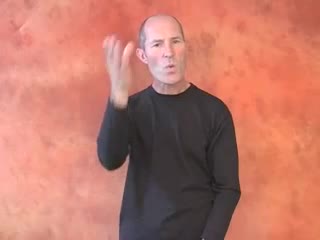
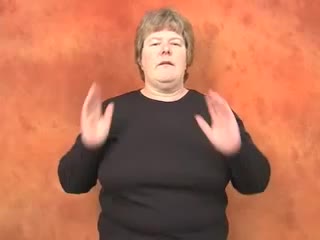
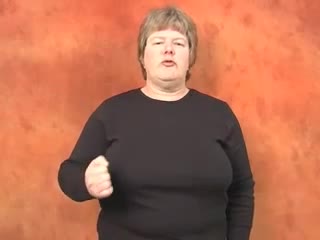
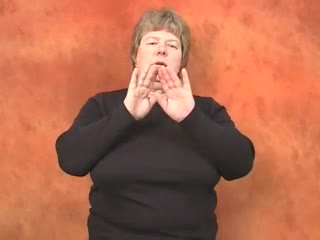
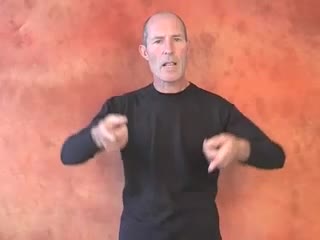
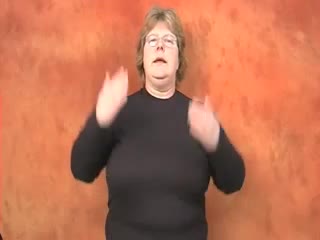
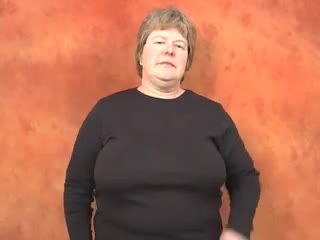
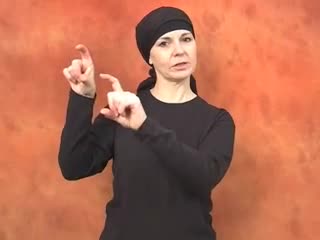
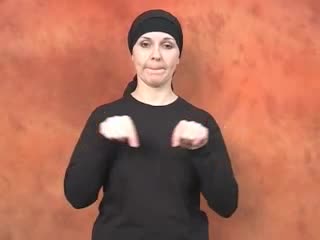
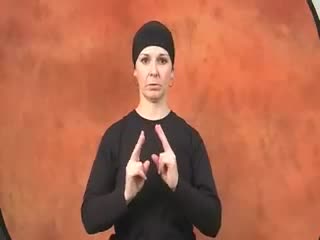
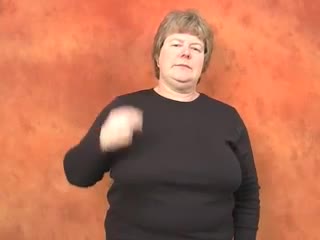
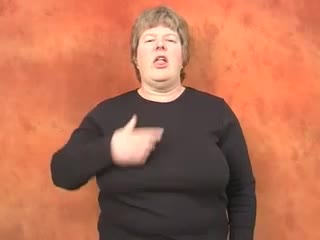
Best practice Use mirror mode, then watch the frame breakdown below to catch the start, movement, and finish cleanly.
Video via SpreadTheSign  - Free educational resource BSL
Updated April 26, 2026
British Sign Language (BSL) 🟢 Beginner 📊 A1 ⚡ Very Common Noun

restaurant

A public establishment serving meals and drinks

Source-linked video Step-by-step guide Context and safety notes
Synonyms
Eatery cafe diner bistro
Antonyms
Home kitchen
Difficulty
Not rated yet

Create a free account to save this sign, keep your watch history, and unlock a one-note journal preview.

How to sign it
Handshape
Index and middle fingers crossed, other fingers closed, thumb tucked
Location
Chin area, specifically below the mouth
Movement
Touch chin, then move slightly forward and away
Palm Orientation
Towards face, then slightly forward
Facial Expression
Neutral
🔁 Spaced Review Try it free

How well do you know this sign?

RESTAURANT
Your Progress Live
🌱
Level 1 · BSL Beginner +0 XP today
This sign Not learned yet
0 watches
Mastery 0%
Confidence
How well do you know this sign?
0 🔥 Streak
0 Signs seen
0 Learned
0 Watches
📖 Vocabulary health 🔒 Log in to see score
0 Mastered
0 Confident
0 Practicing
0 Just seen

Create a free account to keep your vocabulary score between sessions

7-day activity 0 of 7 active

Register free to sync activity across devices

Watch signs to see your history here

Tracking locally for now. Create a free account to save your progress and sync across devices.
Free gets you started. Paid adds the repeat-learning layer: review queues, deeper notes, compare mode, and better comeback tools.
My Sign Journal
Personal notes, saved to your account forever
Locked

Write memory tricks, usage examples, and cultural reminders beside each sign. Create a free account to unlock your first saved note preview on this page.

Create free account Already have an account? Log in

What This Sign Means in BSL

The BSL sign for restaurant is a wonderfully clear and widely understood sign, immediately communicating a place where you sit down to eat out. It's one of those foundational signs that opens up conversations about social plans, food experiences, and local amenities, making it incredibly useful in everyday interactions.

Visually, the sign evokes the act of eating, touching near the mouth area, but its distinct handshape and movement transform it from a generic "eat" into the specific concept of an establishment. It’s a dedicated sign for the noun, meaning the place itself, rather than the action of eating or merely a general 'food' concept.

This sign is a cornerstone for discussing all sorts of dining experiences, from a quick bite at a casual eatery to a more formal meal. It's direct, unambiguous, and consistently used across the Deaf community in the UK, so you can be confident using it to talk about where to grab a meal.

When This Sign Feels Natural

You'll find yourself reaching for this sign whenever you're referring to a commercial establishment whose primary purpose is serving prepared food to customers for consumption on the premises. Think about inviting friends out, describing a recent meal, or asking for recommendations for a new spot. It fits perfectly into conversations like, "Shall we try that new Italian restaurant?" or "Have you been to the restaurant on the high street?"

It feels natural when the specific *type* of eating establishment matters, or when you're discussing the venue itself as a location. For instance, if you're planning a birthday celebration, booking a table, or recounting an experience of service, this sign is precisely what you need. It conveys the concept of a dedicated dining space with structured service.

While BSL has signs for specific types of eateries like "cafe" or "pub," the sign for "restaurant" serves as a versatile general term when the specific category isn't crucial or when you're referring to a place that undeniably fits the 'restaurant' description. If you're unsure of the exact type of establishment but know it's a place to dine, this sign works well as a clear, universally understood option.

What Learners Usually Miss

One common area where learners might miss a subtle detail is the exact handshape. It's not just two fingers up; it's specifically the index and middle fingers *crossed*, with the other fingers closed and the thumb tucked away. This precise crossing is key to forming the sign correctly and distinguishing it from other signs that might involve two extended fingers. Take a moment to ensure your fingers are firmly and clearly crossed.

Another point of nuance lies in the movement. It's a two-part action: first, a definite touch to the chin area, followed by a clear movement slightly forward and away. Learners sometimes either make the touch too light, or they omit the forward and away motion, making it look like a static pose. Remember the dynamic nature of the sign – it's an action, not just a placement. The slight forward movement adds to its clarity and fluidity.

Finally, pay attention to the location. The touch isn't just "near the mouth"; it's specifically at the chin, below the mouth. Placing it too high, close to the lips, can lead to confusion with other signs related to food or eating. Ensure the initial contact point is consistently on the chin, grounding the sign firmly in its correct anatomical location for BSL users.

A Simple Way to Remember It

Connecting the sign's form to its meaning can really help it stick in your memory. Think about the actions and items associated with dining out, and how they might be subtly represented in this sign.

  • Crossed Cutlery: Imagine your index and middle fingers crossed, like a knife and fork laid out on a table, ready for a meal. It's a visual cue for the dining experience.
  • Taste Buds on the Chin: The touch to the chin can represent the anticipation of tasting delicious food, or perhaps even where food might dribble if you're really enjoying a messy meal! It connects the sign to the act of eating.
  • Presenting the Plate: The movement forward and away from the chin could symbolise a waiter presenting a dish to you, or the act of pushing your plate slightly forward after you've finished eating.

Short Practice Situations

  • "I'm really craving Italian food. Do you know a good restaurant nearby?"
  • "We're celebrating my birthday next month; I need to find a nice restaurant to book."
  • "The new seafood restaurant in town has amazing reviews, we should go."
  • "After watching that film, I just wanted to go to a quiet restaurant for a long chat."
  • "Could you recommend a family-friendly restaurant that opens early on Sundays?"

Signs to Learn Next

  • EAT: Naturally, you go to a restaurant to eat! Learning this sign helps you expand conversations about what you do in a restaurant.
  • MENU: This sign is essential for ordering food once you're in a restaurant, allowing you to discuss choices and preferences.
  • BOOK/RESERVE: Many restaurants require reservations, so this sign is crucial for planning and securing your dining experience.
  • PAY/BILL: The final step of any restaurant visit, this sign allows you to complete the dining transaction.
  • CAFE: Often confused or used interchangeably, learning the distinct sign for "cafe" will help you differentiate between types of eating establishments.

🤖 AI Learning Guide for "restaurant"

The sign combines the idea of eating (chin contact) with a location (moving forward). The crossed fingers represent cutlery or the act of eating

🎯 Practice Challenge

Practice the handshape and clear forward movement. Focus on touching the chin

⚠️ Most Common Mistake

Ensure fingers are clearly crossed and the movement is distinct from the chin. Avoid a vague gesture

👐 How to Sign "restaurant" in British Sign Language (BSL) (Quick Answer)

Follow these steps to sign restaurant correctly in British Sign Language (BSL):

  1. 1 Form handshape with index and middle fingers crossed, others closed, thumb tucked
  2. 2 Touch crossed fingers to chin below mouth
  3. 3 Move hand slightly forward and away from chin
  4. 4 Maintain handshape throughout

Tip: Watch the video above while following these steps for best results.

🤚 Sign Profile

🤚
Handshape
Index and middle fingers crossed, other fingers closed, thumb tucked
🔣
Handshape Code
Crossed-2Fingers
Dominant Hand
Right
🙌
Hand Count
One-handed
📍
Location
Chin area, specifically below the mouth
↗️
Movement
Touch chin, then move slightly forward and away
🔄
Movement Type
Linear
👆
Contact
Touch
👋
Palm Orientation
Towards face, then slightly forward
⚖️
Symmetry
Asymmetric

😊 Non-Manual Features

Facial expressions and body language are grammatically essential in British Sign Language (BSL) - not optional!

😊
Facial Expression
Neutral
🙆
Eyebrows
Neutral
👁️
Eye Gaze
Forward
🙂
Head Movement
None
👄
Mouth Morpheme
Neutral
🕴️
Body Shift
None

📖 Grammar & Linguistics

Part of Speech Noun
Inflection No
Classifier Usage N/A
Role Shift No

🎓 Learning Context

📌 When to Use: Discussing dining out, planning meals, describing eating places
⚠️ Common Mistake: Incorrect finger crossing, unclear forward movement
🚫 When NOT to Use: N/A
Context Tags
Food dining hospitality place

🧪 Practice Lab

Use these tiny checks right after watching the video. Fast feedback is what turns recognition into recall.

Meaning check

Which word matches the sign you just watched?

Usage check

Where would this sign fit most naturally?

Confidence check

How do you feel about restaurant right now?

Pick one so SignDeaf can shape the rest of your session around how this sign actually feels.

🧭 Scenario Drill

One sign gets remembered faster when you attach it to real situations. Try these quick scene prompts.

Work

Stretch practice

Use this sign in a short workplace sentence or meeting exchange.

Family

Stretch practice

Try signing this while talking about family life or something at home.

School

Stretch practice

Imagine teaching this sign to a classmate or using it in a lesson.

Doctor

Possible fit

Practise it in a healthcare conversation where clarity matters.

Travel

Stretch practice

Use it in a travel scenario like asking for help or directions.

💬 Example Usage

1.[en] Let's go to a restaurant. / BSL:[Sign 'RESTAURANT' then 'GO'] | 2.[en] That restaurant is good. / BSL:[Sign 'THAT' 'RESTAURANT' 'GOOD'] | 3.[en] We ate at the restaurant. / BSL:[Sign 'WE' 'EAT' 'RESTAURANT']

1.[en] Let's go to a restaurant. / BSL:[Sign 'RESTAURANT' then 'GO'] | 2.[en] That restaurant is good. / BSL:[Sign 'THAT' 'RESTAURANT' 'GOOD'] | 3.[en] We ate at the restaurant. / BSL:[Sign 'WE' 'EAT' 'RESTAURANT']

When to use it

Discussing dining out, planning meals, describing eating places

When not to use it

N/A

Register

Neutral

🌍 Cultural Context

Eating out is a common social activity within Deaf culture

🗺️ Regional Variations

Minor variations in exact contact point or movement extent

⚖️ Similar Signs - What's the Difference?

This sign restaurant
VS
Similar signs Look closely
The sign for "RESTAURANT" uses crossed index and middle fingers touching the chin then moving forward. This differs from "EAT" (dominant B-hand taps mouth) which focuses solely on the act of consumption. It also differs from "FOOD" (dominant B-hand taps side of mouth twice), which is a general noun. The unique handshape and specific movement for "RESTAURANT" denote the establishment

📝 Usage Notes

Ensure a clear, distinct movement away from the chin area

🏷️ Tags

Handshape

Keywords

💡
Did you know?
SpreadTheSign has 600,000+ sign language videos across 40+ sign languages - all free to view.

📚 Explore More British Sign Language (BSL) Signs

Keep building your British Sign Language (BSL) vocabulary - explore signs by category or browse the full dictionary.