Speed
0
Practice reps times watched

Create a free account to keep your watch history and review plan.

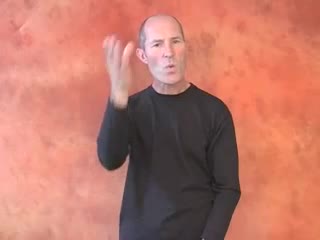
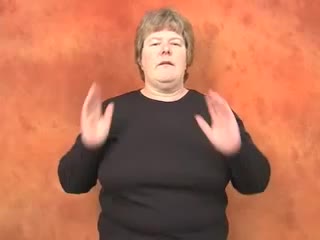
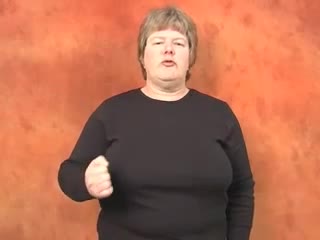
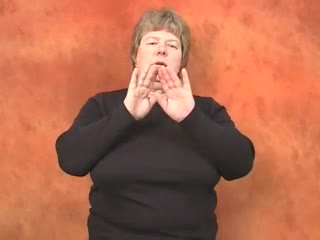
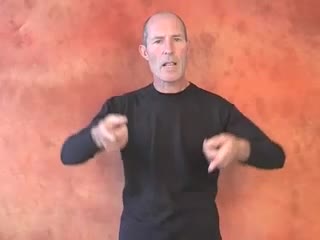
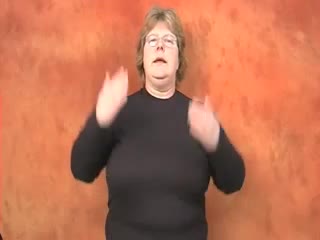
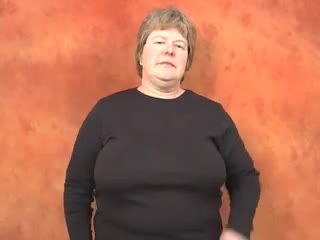
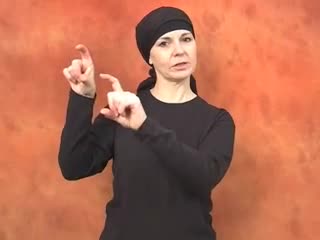
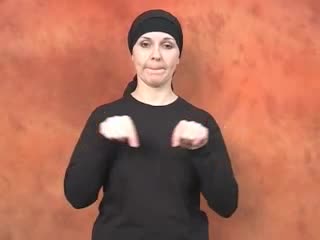
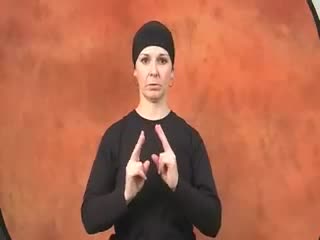
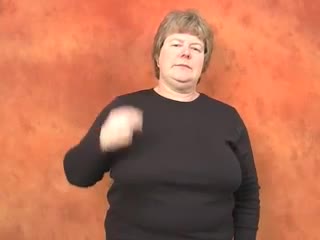
Best practice Use mirror mode, then watch the frame breakdown below to catch the start, movement, and finish cleanly.
Video via SpreadTheSign  - Free educational resource BSL
Updated April 26, 2026
British Sign Language (BSL) 🟢 Beginner 📊 A1 ⚡ Very Common Noun

morning

The period from sunrise to noon

Source-linked video Step-by-step guide Context and safety notes
Synonyms
Dawn early daybreak
Antonyms
Evening night afternoon
Difficulty
Not rated yet

Create a free account to save this sign, keep your watch history, and unlock a one-note journal preview.

How to sign it
Handshape
Flat hand, fingers extended and together, thumb tucked
Location
Starts near non-dominant elbow/forearm, moves upwards
Movement
Upward arc
Palm Orientation
Upwards, then slightly forward
Facial Expression
Neutral facial expression
🔁 Spaced Review Try it free

How well do you know this sign?

MORNING
Your Progress Live
🌱
Level 1 · BSL Beginner +0 XP today
This sign Not learned yet
0 watches
Mastery 0%
Confidence
How well do you know this sign?
0 🔥 Streak
0 Signs seen
0 Learned
0 Watches
📖 Vocabulary health 🔒 Log in to see score
0 Mastered
0 Confident
0 Practicing
0 Just seen

Create a free account to keep your vocabulary score between sessions

7-day activity 0 of 7 active

Register free to sync activity across devices

Watch signs to see your history here

Tracking locally for now. Create a free account to save your progress and sync across devices.
Free gets you started. Paid adds the repeat-learning layer: review queues, deeper notes, compare mode, and better comeback tools.
My Sign Journal
Personal notes, saved to your account forever
Locked

Write memory tricks, usage examples, and cultural reminders beside each sign. Create a free account to unlock your first saved note preview on this page.

Create free account Already have an account? Log in

What This Sign Means in BSL

The BSL sign for morning is one of those wonderfully intuitive signs that just makes sense the moment you see it. It beautifully captures the essence of a new day beginning, visually depicting the sun's gentle ascent above the horizon. This isn't just a sign; it's a small, graceful narrative in itself, making it a foundational and frequently used part of BSL communication.

Its meaning is straightforward: it signifies the period of time from dawn until midday. There's an inherent sense of freshness and new beginnings embedded in the movement. You'll find yourself using it not just to state the time, but also to evoke that feeling of starting fresh, whether it’s planning an activity or simply greeting someone.

What makes this particular sign stand out is its clarity and universality within the UK Deaf community. It doesn't rely on complex metaphors or obscure references; it's a direct, elegant representation of a natural phenomenon. Mastering it early on will unlock a host of daily conversations, allowing you to discuss routines, plans, and greetings with confidence.

When This Sign Feels Natural

You'll find the sign for "morning" fits naturally into countless everyday conversations. It's perfect for greetings, as in "Good morning!" (often combined with the sign for "good"), or when you're scheduling something, like "Let's meet tomorrow morning." It's incredibly versatile, making it one of the first time-related signs most learners truly internalise and use frequently.

This sign maintains a consistent register, meaning it's appropriate in both informal chats with friends and more formal settings like a presentation or meeting. It's a sign that everyone understands and respects. You wouldn't typically choose a different sign to convey the general concept of "morning," though you might add modifiers like "early" or "late" if you need to be more specific about the timing within that period.

Think about your own daily life: when do you refer to the morning? That's precisely when this sign feels natural. Discussing your morning commute, describing what you usually do after waking up, or simply confirming a plan for the next day – these are all perfect scenarios. It's a building block for talking about routines and temporal sequences.

What Learners Usually Miss

Often, learners might miss the precise handshape and location. The hand isn't just open; it's specifically a flat hand, meaning your fingers are extended and held together, and importantly, your thumb is tucked neatly alongside your palm. Imagine your hand is a flat plane, like the horizon before the sun appears. Avoid splaying your fingers or letting your thumb stick out, as this can change the clarity of the sign and potentially be confused with other signs.

The movement also requires attention. It's an upward arc, not just a casual wave. Your dominant hand starts near your non-dominant elbow or forearm – this represents the horizon. From there, it moves smoothly upwards, tracing a gentle arc, mimicking the sun's rise. Some learners might make the arc too small, too jerky, or fail to start it from the correct "horizon" point. Practice making it a fluid, natural movement, as if you're truly illustrating the sun's journey.

Finally, pay close attention to the direction. The movement is always upwards. It's about the sun rising. Occasionally, learners might inadvertently reverse the direction, which would imply the sun setting, or a different time concept entirely. Maintain that consistent upward trajectory and the smooth, controlled arc to ensure your meaning is perfectly clear to your audience.

A Simple Way to Remember It

Visualising the sign as a direct representation of the sun's journey is the most effective memory aid. Think of your non-dominant arm as the flat earth or horizon, and your dominant hand as the sun emerging.

  • Sun's Journey: Your dominant hand, flat and steady, begins low near your non-dominant arm and gracefully rises in an arc, just like the sun appearing over the horizon at dawn.
  • Flat Horizon: The precise flat handshape directly represents the flat horizon line, ready for the sun to emerge. Keep those fingers together and the thumb tucked!
  • Gentle Start: The smooth, unhurried upward arc embodies the gentle, gradual start of a new day, rather than an abrupt or sharp movement.

Short Practice Situations

  • When you first see a friend or colleague, sign, "Good morning, how are you today?"
  • Making plans for the following day: "I'll see you tomorrow morning for a coffee."
  • Describing a routine: "Every morning, I like to go for a short walk."
  • Expressing a preference: "I love the quiet peace of the early morning."
  • Confirming a meeting time: "Yes, the meeting is scheduled for Monday morning."

Signs to Learn Next

  • Day: This sign is a natural follow-up as "morning" is a part of the broader concept of "day." Learning "day" will help you talk about longer periods and the full cycle of time.
  • Afternoon: Continuing the sequence of the day, "afternoon" builds on your understanding of temporal signs. It often shares a similar visual logic but with a different movement.
  • Night: To complete the 24-hour cycle, "night" is essential. It provides a contrast to "morning" and allows you to discuss all parts of a day.
  • Early: Often used as a modifier, "early" can combine with "morning" to specify "early morning," or it can describe something happening ahead of schedule.
  • Wake Up: This action is directly associated with the morning. Learning "wake up" will allow you to describe your daily routine from the very beginning.

🤖 AI Learning Guide for "morning"

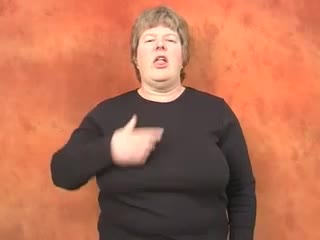
The sign "morning" visually depicts the sun rising. A flat hand represents the sun, starting low and arcing upwards, symbolising the start of the day

🎯 Practice Challenge

Sign "morning" in a sentence

⚠️ Most Common Mistake

Ensure hand is flat and movement is a clear upward arc

👐 How to Sign "morning" in British Sign Language (BSL) (Quick Answer)

Follow these steps to sign morning correctly in British Sign Language (BSL):

  1. 1 Form a flat hand (fingers together, thumb tucked)
  2. 2 Start near non-dominant elbow/forearm, palm up
  3. 3 Move hand in a clear upward arc
  4. 4 Finish with palm slightly forward/upwards, representing the rising sun

Tip: Watch the video above while following these steps for best results.

🤚 Sign Profile

🤚
Handshape
Flat hand, fingers extended and together, thumb tucked
🔣
Handshape Code
B-hand
Dominant Hand
Right
🙌
Hand Count
One-handed
📍
Location
Starts near non-dominant elbow/forearm, moves upwards
↗️
Movement
Upward arc
🔄
Movement Type
Arc
👆
Contact
Air
👋
Palm Orientation
Upwards, then slightly forward
⚖️
Symmetry
Asymmetric

😊 Non-Manual Features

Facial expressions and body language are grammatically essential in British Sign Language (BSL) - not optional!

😊
Facial Expression
Neutral facial expression
🙆
Eyebrows
Neutral
👁️
Eye Gaze
Forward
🙂
Head Movement
None
👄
Mouth Morpheme
Mouth 'morning'
🕴️
Body Shift
None

📖 Grammar & Linguistics

Part of Speech Noun
Inflection No
Classifier Usage N/A
Role Shift No

🎓 Learning Context

📌 When to Use: Greeting, stating time, daily routines
⚠️ Common Mistake: Incorrect handshape, wrong movement path, signing too low
🚫 When NOT to Use: When referring to evening or night
Context Tags
Time daily greetings

🧪 Practice Lab

Use these tiny checks right after watching the video. Fast feedback is what turns recognition into recall.

Meaning check

Which word matches the sign you just watched?

Usage check

Where would this sign fit most naturally?

Confidence check

How do you feel about morning right now?

Pick one so SignDeaf can shape the rest of your session around how this sign actually feels.

🧭 Scenario Drill

One sign gets remembered faster when you attach it to real situations. Try these quick scene prompts.

Work

Stretch practice

Use this sign in a short workplace sentence or meeting exchange.

Family

Stretch practice

Try signing this while talking about family life or something at home.

School

Stretch practice

Imagine teaching this sign to a classmate or using it in a lesson.

Doctor

Stretch practice

Practise it in a healthcare conversation where clarity matters.

Travel

Stretch practice

Use it in a travel scenario like asking for help or directions.

💬 Example Usage

1.[en] Good morning. / BSL:[SIGN GOOD MORNING] | 2.[en] I wake up early every morning. / BSL:[SIGN I WAKE-UP EARLY EVERY MORNING] | 3.[en] What are you doing this morning? / BSL:[SIGN WHAT YOU DO THIS MORNING]

1.[en] Good morning. / BSL:[SIGN GOOD MORNING] | 2.[en] I wake up early every morning. / BSL:[SIGN I WAKE-UP EARLY EVERY MORNING] | 3.[en] What are you doing this morning? / BSL:[SIGN WHAT YOU DO THIS MORNING]

When to use it

Greeting, stating time, daily routines

When not to use it

When referring to evening or night

Register

Neutral

🌍 Cultural Context

Visually represents the sun rising

🗺️ Regional Variations

Minor variations in starting point or arc height

⚖️ Similar Signs - What's the Difference?

This sign morning
VS
Similar signs Look closely
MORNING vs. SUNRISE: Both involve an upward arc. MORNING uses one flat hand starting near the forearm/elbow. SUNRISE often involves the dominant hand emerging from behind the non-dominant arm or hand (representing the horizon), or starting lower, emphasizing the actual sun appearing. MORNING vs. DAY: DAY is typically a flat hand moving down the non-dominant arm or across the body, representing the span of the day, not just the start. MORNING vs. AFTERNOON: AFTERNOON is usually a flat hand moving downwards from a higher position, indicating the sun descending

📝 Usage Notes

Can be combined with "GOOD" for "GOOD MORNING"

🏷️ Tags

Handshape

Keywords

💡
Did you know?
Watching Deaf signers on YouTube or BSL content online is one of the best ways to improve fluency.

📚 Explore More British Sign Language (BSL) Signs

Keep building your British Sign Language (BSL) vocabulary - explore signs by category or browse the full dictionary.